Best Fertilizers for Zoysia Sod: Quick Guide to a Lush Lawn
For zoysia sod, a careful fertilization plan supports rapid establishment, deep root growth, and vibrant color. This guide reviews five top fertilizers designed to optimize growth on zoysia turf—from starter blends that ease transplant shock to organic options that build soil health. Each product is evaluated for its nutrient balance, application guidance, and suitability for new lawns, overseeding, or thickening sparse areas. Use the recommendations below to choose a fertilizer that matches your climate, soil, and maintenance goals.
| Product | Brand | NPK | Focus |
|---|---|---|---|
| Southland Sod Farms 21 Sod and Seed Starter 15-15-15 | Southland Sod Farms | 15-15-15 | Starter fertilizer for sod establishment |
| Scotts Turf Builder Starter Food for New Grass | Scotts | 24-25-4 | Root growth and rapid green-up for new lawns |
| Lawn Synergy Starter Fertilizer With Iron | Lawn Synergy | 15-20-10 | New lawns and overseeding with enhanced color |
| Down To Earth Organic Bio-Turf Lawn Fertilizer Mix 8-3-5 | Down To Earth All Natural Fertilizers | 8-3-5 | Organic soil-building fertilizer |
| SUSTANE FERTILIZER 8-2-4 | SUSTANE FERTILIZER | 8-2-4 | Long-lasting, steady feed |
Choosing the right starter or maintenance fertilizer for zoysia sod depends on your goals—whether you’re prioritizing quick green-up, soil health, or organic production. The following sections profile five top options, highlighting how each product supports zoysia establishment, color, and resilience. Note that application rates and timing vary by product and climate; always follow the label for safe, effective use.
Starter 15-15-15 Fertilizer For New Zoysia
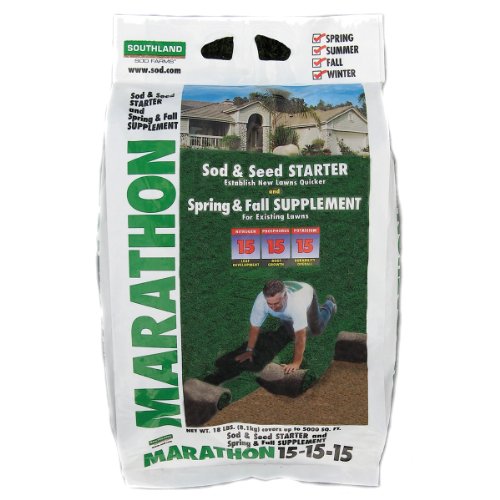
Southland Sod Farms’ 21 Sod and Seed Starter blends a balanced 15-15-15 formula optimized for the first weeks after installation. The balanced NPK supports vigorous root development while nourishing emerging shoots, helping reduce transplant shock common to newly laid zoysia sod. The 18-pound bag provides a practical quantity for mid-sized yards, aligning well with standard sod projects and reseeding efforts. This starter mix is designed to establish a robust foundation for a dense, uniform lawn by supplying essential nutrients at a critical growth stage.
Apply the product at the recommended rate during installation or early after planting, then water thoroughly to move nutrients into the root zone. Avoid over-application, which can lead to fertilizer burn or nutrient runoff, especially on compacted soils. In warm or windy climates, consider splitting applications to maintain consistent nutrient availability without promoting excessive top growth. Pair this starter with proper irrigation and mowing practices to maximize root penetration and early establishment of zoysia sod.
Starter Lawn Fertilizer For Zoysia

Scotts Turf Builder Starter Food for New Grass delivers a 24-25-4 formulation designed to accelerate root establishment and shoot growth for new lawns, including zoysia sod. The product’s claims of thicker, quicker green-up—up to 70% thicker and 35% quicker growth—reflect its emphasis on rapid establishment when used with sod or plugs. The inclusion of phosphorus supports root development, making it especially helpful during installation and the early weeks of growth. Its 3-pack availability supports larger projects or multiple yard refreshes without frequent restocking.
Apply Scotts Starter Food at installation or shortly after laying sod, with water applied afterward to activate the nutrients. Use the rate guidelines on the label and avoid applying before heavy rainfall or during drought stress without adequate irrigation. For best results, pair with consistent irrigation and mowing practices that encourage even growth and reduce stress from heat or drought. This option is particularly useful for rapid color and density gains in newly established zoysia lawns.
Lawn Synergy Starter Fertilizer With Iron
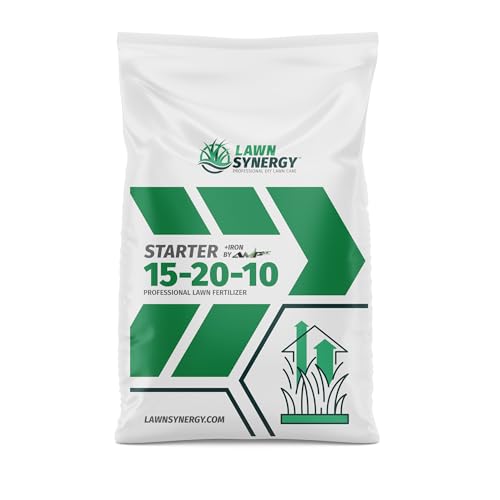
Lawn Synergy’s Starter Fertilizer is engineered for new lawns and overseeding, delivering a 15-20-10 NPK ratio with added iron. The kit includes an ALL-N nitrogen stabilizer, which can reduce nitrogen loss by up to 57%, helping the fertilizer stay in the soil longer and feed the grass through hotter periods. AMP-XC Biocatalyst Technology supports microbial activity in the soil, promoting nutrient uptake and deeper root development—an attractive feature for zoysia being established from sod or seed.
For zoysia sod, apply when laying new sod or at early establishment stages, and water in to activate the product. Avoid heavy application in extreme heat or drought; instead, implement lighter, more frequent feedings to maintain steady growth. The iron content contributes to a deeper green color and improved stress tolerance, though it is important not to apply iron-rich products in excess, which can cause staining or turf burns if misapplied. This option suits homeowners seeking rapid growth with soil-health benefits.
Organic Bio-Turf 8-3-5 Lawn Fertilizer

Down To Earth Organic Bio-Turf Lawn Fertilizer Mix provides an organic route to establishing zoysia sod. The organic 8-3-5 formula emphasizes soil-building and plant health, with nitrogen-rich nutrition that supports steady green growth and root development. OMRI-listed status indicates suitability for organic production and compliant lawn-care programs. The product also includes potassium, which enhances stress tolerance during temperature swings and drought periods—an important consideration for warm-season grasses like zoysia that face seasonal stress.
Because this option is organic, expect a potentially slower visible response than synthetic blends, especially during early establishment. Regular, even applications aligned with the label—paired with proper watering and mowing—will help build a resilient root system and steady color over time. This fertilizer is well-suited for eco-conscious homeowners seeking a soil-first approach that supports long-term turf health and sustainability.
Sustane 8-2-4 Fertilizer For Sod

Sustane 8-2-4 Fertilizer offers a straightforward, long-lasting feed option for zoysia sod and established turf. With a modest nitrogen level, this blend aims to promote steady growth and even color without excessive top growth, which can be beneficial in hot climates. The packaging note warns that actual contents may vary, so users should rely on the label for exact nutrient details and application rates. This product suits gardeners seeking a reliable, slow-release option that maintains turf health over extended intervals and reduces the need for frequent applications.
Apply according to the product’s label in a uniform manner across the lawn, then water well to ensure granules reach the root zone. Avoid over-application, particularly in poorly drained areas where runoff can occur. Align feeding with your local climate and seasonal growth patterns, and complement fertilization with proper mowing, irrigation, and soil amendments to sustain a resilient zoysia lawn throughout the year.
Buying Guide
Key purchase considerations for fertilizing zoysia sod include turf maturity, climate, soil type, and maintenance goals. Zoysia is a warm-season grass that benefits from an initial phosphorus-rich starter to encourage root formation and from balanced or targeted nitrogen for continued growth. You’ll find options that emphasize rapid green-up, organic soil health, and slow-release feeding; choosing among them depends on how quickly you want results and how important soil biology is to your program.
Starter vs. maintenance formulas
Starter blends (for example, 15-15-15 or 24-25-4) are designed to support early establishment after laying sod or plugging. They provide nutrients when the young root system is most receptive. Maintenance formulas with balanced or slightly reduced nitrogen (such as 8-2-4 or 15-20-10) help sustain vibrant color and healthy growth without promoting excessive top growth. If you’re overseeding, look for formulas that support germination and deep root expansion.
Organic vs. synthetic options
Organic fertilizers (like the 8-3-5 Bio-Turf) improve soil biology and are preferred by eco-conscious homeowners. They often release nutrients more slowly and may require more frequent applications to match synthetic performance. Synthetic or blended fertilizers can deliver faster results and precise nutrient ratios, which is useful when rapid establishment and green-up are priorities. Consider soil testing to tailor your choice to your current soil condition and nutrient deficits.
NPK balance and nutrient goals
NPK composition should align with your lawn stage. A higher phosphorus level in starter formulas supports root development, while balanced nitrogen supports both leaf growth and rhizome expansion. Iron-containing products can improve color but should be used in moderation to avoid staining or burn. For zoysia sod, a mix of phosphorus for roots and balanced nitrogen is often optimal during establishment, followed by maintenance blends that sustain color and density.
Iron content and color
Iron can intensify the rich green color of zoysia but excessive iron may cause staining on driveways or sidewalks if misapplied. Some products explicitly include iron for color boost, while others rely on overall nitrogen and micronutrients. If color is a priority, consider a blend with iron, but apply according to label directions and monitor turf response to avoid drift or runoff.
Application timing and methods
Follow label directions for timing—often at planting or during the first growing season for new lawns, with subsequent applications spaced by weeks or months depending on the product. Watering after application helps move nutrients into the root zone and reduces the risk of evaporation or volatilization. In hot or windy climates, split applications into smaller, more frequent feedings to maintain steady nutrient availability without encouraging excessive growth or burn.
Coverage, size, and cost considerations
Bag size and coverage impact how often you’ll need to purchase fertilizer. For mid-sized to large yards, products sold in 18-pound or larger bags may be more economical, while organic blends often come in smaller bags with slower visible results. When comparing products, calculate coverage per bag and multiply by the number of applications needed in your maintenance plan. Always prioritize products with clear label directions and reputable brand support for best results on zoysia sod.
Soil health and long-term sustainability
Soil testing can reveal deficiencies that influence the ideal fertilizer choice. Organic options support microbial activity and long-term soil health, whereas synthetic blends emphasize immediate growth and color. A sustainable approach combines appropriate fertilizer with proper irrigation, mowing, and soil amendments to maintain a dense, healthy zoysia lawn while minimizing environmental impact.