Best Floating Plants for Aquarium: Top Picks for Healthy Water and a Lush Surface
Floating aquatic plants add natural filtration, reduce light glare, and create inviting habitats in freshwater tanks. The following selections are popular, beginner-friendly options that help maintain water quality while enhancing the surface texture of your aquarium. Each choice includes easy care requirements and potential benefits for a balanced ecosystem.
| Product | Brand | Key Benefit |
|---|---|---|
| Ultimate Floating Plant Bundle | Shore Aquatic | Natural water filtration and easy care |
| Water Spangle (12 Plants) | Aquarium Plant Center | Low-demand, quick coverage for surfaces |
| 30+ Leaves Red Root Floaters | Shore Aquatic | Healthy nutrient uptake and visual appeal |
| 60+ Giant Duckweed | Aquarigram | Robust bio-filtering potential |
| 80+ Leaves Red Root Floaters | Midnight Glo | Vivid color variation and easy growth |
Note: Each item’s suitability depends on tank size, lighting, and water parameters. Review the product details for quantity, light needs, and any special temperature considerations before purchasing.
Ultimate Floating Plant Bundle

The Ultimate Floating Plant Bundle combines duckweed, red root floaters, and salvinia to create a diverse surface canopy. Benefits include an effective, soil-free setup that thrives with natural light and requires minimal fertilization. Duckweed acts as a natural bio-filter, capable of processing significant water volume and supporting small to medium aquariums. This bundle is described as easy to care for and adaptable to varying light conditions, making it suitable for beginners seeking a low-maintenance, aesthetic surface cover.
Water Spangle, Salvinia Minima (12 Plants)

Water Spangle Salvinia Minima provides a compact floating option suitable for smaller tanks. The listing notes a low to medium light requirement and a bundle designed to cover a circular area of about 4 inches in diameter, with 12 plants and 60+ leaves. Temperature considerations are included, and shipments may be affected by temperature restrictions. This plant is described as low-demanding, making it compatible with many freshwater systems seeking surface coverage and surface-dwelling habitat for microfauna.
Water Spangle, Salvinia Minima (24 Plants)

This option expands the surface coverage with 24 plants and 120+ leaves, continuing the low-demand, low to medium light profile. It aims to provide a fuller surface canopy, aiding in nutrient competition and light diffusion across the water surface. As with similar floating species, it’s best suited for freshwater tanks and may be subject to temperature-based warnings during shipment.
30+ Leaves Red Root Floaters
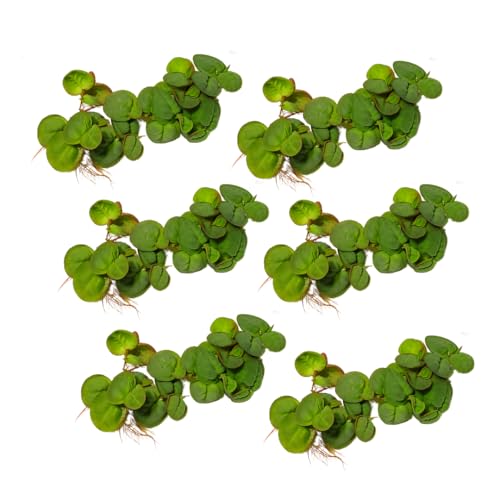
Red Root Floaters offer striking round leaves and a distinctive red coloration under moderate lighting. The listing emphasizes a minimum of 30 leaves, plus a free mystery bonus plant. These floating plants contribute to nutrient uptake, suppressing algal blooms by removing ammonia and nitrates. They are described as easy to grow in freshwater tanks and adaptable to various aquascaping styles.
60+ Giant Duckweed

Giant Duckweed delivers substantial surface coverage and robust biological filtration. The listing highlights 60+ leaves and includes a mystery bonus plant. Duckweed is recognized for filtering capabilities, processing water efficiently in compact tanks. This option suits hobbyists seeking a strong natural filtration component alongside an attractive surface screen.
80+ Leaves Red Root Floaters

This selection features a higher leaf count for dramatic surface coverage and color variations ranging from green to red as lighting conditions shift. The Red Root Floaters are noted for their low-light adaptability, ease of growth, and nutrient uptake benefits that help maintain water quality. The listing includes performance notes on how lighting influences red coloration and growth pace, making them a versatile choice for varied aquariums.
Buying Guide: Floating Plants For Aquariums
- Tank size and surface area: Match plant quantity to available surface space to avoid overcrowding and ensure adequate light for all plants.
- Light requirements: Most floating plants tolerate low to medium light, but stronger lighting can intensify color and growth. Plan lighting accordingly to avoid algae blooms.
- Water quality and filtration: Floating plants contribute to nutrient uptake and ammonia/nitrate reduction. Pair with a balanced filtration system to maintain stable water parameters.
- Temperature tolerance: Some listings warn about temperature constraints during shipping. Verify your aquarium’s temperature range and consider acclimation steps if needed.
- Growth rate and maintenance: Fast-growing species may require regular thinning to prevent surface shading and to maintain light for other tank inhabitants.
- Aquascaping style: Floating plants pair well with open-water sections and can complement more intricate substrate plants. Consider color variety (green, red) for visual interest.
- Compatibility with livestock: Ensure species chosen do not obstruct feeding or create excessive surface coverage that limits gas exchange for fish.
- Care and fertilization: Most floating plants are soil-free and tolerant of natural light. Fertilizer is not always necessary, but monitor nutrient levels to prevent imbalances.