Best Flowers for Shade Gardens: Seeds and Helpful Garden Options
For a shady garden, choose seeds labeled for shade or filtered light, then match them to the site’s moisture and growing zone. The Mountain Valley Seed Co. mix is best for gardeners who want a broad selection, while the Astilbe seeds target moist, shaded beds. The FAMILY SOWN blend suits smaller woodland areas. Artificial hanging flowers offer a non-growing decorative option, and shade cloth is a garden tool rather than a flower.
| Product | Best suited for | Key detail |
|---|---|---|
| Mountain Valley Seed Co. wildflower mix | Large, varied plantings | 19 varieties; covers about 250 sq. ft. |
| Mixed Astilbe seeds | Moist, shaded areas | Perennial; listed for USDA Zones 4–8 |
| FAMILY SOWN shade mix | Woodland borders and tree lines | 14,000 seeds |
| INQCMY artificial hanging flowers | Decor without planting | Artificial hanging flowers |
| 55% sunblock shade cloth | Managing light exposure | 6 × 8 feet; 55% sunblock |
Mountain Valley Seed Co. Wildflower Mix

This 3-ounce bulk mix contains more than 80,000 annual and perennial seeds across 19 listed shade-tolerant varieties. Named examples include purple coneflower, forget-me-not, columbine, foxglove, and cardinal flower. The product information says the mix covers approximately 250 square feet and is intended for USDA Zones 3–10.
Best for: Gardeners who want varied blooms across a larger woodland garden, path, or pollinator planting. It was selected for its broad species mix, stated coverage, and zone range. The listing includes annuals and perennials, so the plants may not all return in the same way from year to year. Check the species list and local growing conditions before sowing.
Mixed Astilbe Seeds For Moist Shade
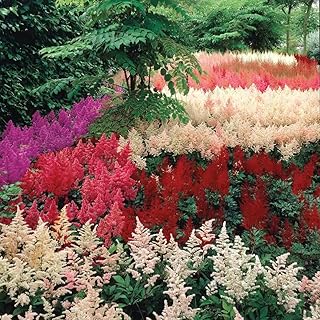
This listing offers 1,000 mixed Astilbe seeds, described as perennial and suited to moist, shaded areas in USDA Zones 4–8. It specifies pink, red, cream, and white blooms, dark green serrated foliage, and plants reaching 28 inches. The listing also describes the flowers as pollinator-friendly and naturally unpalatable to deer.
Best for: Gardeners with a reliably moist, shaded border who want upright perennial flowers. It was selected for its specific shade and moisture focus. The stated zone range is narrower than that of the bulk wildflower mix, and the plants need moisture; avoid this option for a dry bed unless you can meet that growing requirement.
FAMILY SOWN Shade Tolerant Mix

This one-ounce pouch contains 14,000 seeds in a wildflower blend described as selected for limited sunlight. The intended settings include woodland borders, tree lines, and gardens with filtered sun. The listing says it was packaged for the 2026 season.
Best for: Buyers seeking a smaller quantity for a dim garden corner or woodland edge. It was selected because its stated purpose directly matches shade planting and its seed count is clearly listed. The product details do not name individual varieties, give a USDA zone range, or state coverage, so check the package information before planning a large planting.
INQCMY Artificial Hanging Flowers

This is an artificial hanging flower product for outdoor summer decoration, rather than a seed or live plant. It can provide a decorative floral look where a gardener does not want to establish flowers in the ground.
Best for: Buyers who want hanging floral decoration without growing plants. It was included as a non-living alternative for shaded spaces where live planting is impractical. It will not grow, produce natural blooms, or provide the garden benefits of live flowers. The supplied product details do not specify dimensions or materials.
55% Sunblock Shade Cloth

This black mesh shade cloth is listed as 6 × 8 feet and 55% sunblock, with garden, flower-plant, and greenhouse use in its product name. It is a light-management accessory, not a flower or seed mix.
Best for: Gardeners looking for a cover to manage sunlight around plants. It was selected as a related garden tool, not as a substitute for shade-tolerant flowers. A site that is already deeply shaded may not need additional shade; consider the existing light before using it.
Buying Guide: How To Choose Flowers For Shade
How much sunlight does the garden receive?
Observe the planting area at different times of day. Filtered light beneath trees differs from a spot that receives a few hours of direct sun, and both differ from deep shade. Choose a mix explicitly labeled for shade or filtered light, and check the named varieties when available.
Is the soil consistently moist or often dry?
Match flowers to the site’s water conditions. The Astilbe listing specifically targets moist, shaded areas. For a bed that dries quickly, do not assume a shade-tolerant label also means drought tolerance; confirm the plant’s needs before sowing.
Should you buy a mix or a single flower type?
A mixed wildflower pouch offers variety, while Astilbe seeds focus on one type of perennial flower. Compare the zone range, listed varieties, seed quantity, and coverage. The Mountain Valley mix provides a stated coverage area; the FAMILY SOWN listing does not provide one in the supplied details.
Do zone and maintenance needs matter?
Yes. Compare the stated USDA zones with your location, then review planting and moisture instructions on the product packaging. A product’s zone range is a useful screening detail, but it does not replace matching soil, light, and water conditions to the plants.
Frequently Asked Questions
What flowers can grow in a shade garden?
Look for varieties or blends specifically labeled shade-tolerant. The Mountain Valley mix lists species such as columbine, forget-me-not, and foxglove; the Astilbe seeds are described for moist shade.
Are all shade gardens equally dark?
No. Shade can mean filtered light, limited direct sun, or deep shade. Identify the conditions at the planting site before selecting seeds.
Which option is listed for moist shaded areas?
The mixed Astilbe seed listing specifies moist, shaded areas and USDA Zones 4–8.
Can the artificial hanging flowers attract pollinators?
No pollinator benefit is stated for the artificial product. The wildflower listings, by contrast, describe pollinator-friendly uses or support.
Does shade cloth count as a flower for a shade garden?
No. The 55% sunblock mesh is a garden accessory for managing light; it does not grow or bloom.