Best Flower Garden Fertilizers for Lush Blooms and Healthy Soil
Choosing the right fertilizer can boost bloom color, plant health, and soil vitality in a flower garden. This guide highlights five top options that suit a range of gardening styles, from quick-acting liquids to slow-release granules and organic blends. Whether you maintain border beds, container plantings, or perennial borders, the following fertilizers offer reliable nutrients and practical application for American gardens. A quick summary table follows to help you compare core features at a glance.
| Product | Brand | Type | Best For | Key Benefit |
|---|---|---|---|---|
| Miracle-Gro Water Soluble All Purpose Plant Food | Miracle-Gro | Water-Soluble | Flowers, Vegetables, Trees | Instant feeding; feeds every 1-2 weeks |
| FoxFarm Big Bloom Plant Food | FoxFarm | Liquid Fertilizer | Flowers, Fruits, Vegetables | Promotes vibrant blooms; contains earthworm castings and bat guano |
| Osmocote Smart-Release Plant Food Flower & Vegetable | Osmocote | Slow-Release Granules | Perennials, Vegetables | Vigorous growth with long-lasting feeding |
| Burpee Natural Purpose Granular Organic Food | Burpee | Granular Organic | Vegetables, Flowers, Herbs | OMRI listed; feeds up to 3 months |
| Cz Garden 4-10-10 Bulb & Bloom | Cz Garden Supply | Slow-Release Granular | Bulbs and General Blooms | Promotes vigorous growth and bigger blooms |
Miracle-Gro Water Soluble All Purpose Plant Food

Miracle-Gro Water Soluble All Purpose Plant Food is a versatile, quick-acting option for both indoor and outdoor use. It’s packed with essential nutrients that support rapid growth and more vibrant plants compared with unfed specimens. The formula is designed for frequent feeding—about every one to two weeks—using the Miracle-Gro Garden Feeder or any standard watering can. This makes it ideal for busy gardeners who want easy, repeatable results across flowers, vegetables, and even trees. Apply with precision to avoid overfeeding, and adjust frequency based on plant response.
Because it is water-soluble, the nutrients disperse evenly in the root zone, supporting consistent color and size in flowering plants. It pairs well with a diverse planting scheme and can be used to maintain both container plantings and garden beds. For best results, follow label directions and tailor the feeding schedule to the growth stage and weather conditions. It’s a reliable, economical solution for ongoing bloom production throughout the season.
FoxFarm Big Bloom Plant Food

FoxFarm Big Bloom is a liquid plant food formulated to promote vibrant blooms across flowers, fruits, and vegetables. Its micro-brewed blend includes earthworm castings, bat guano, and other high-test ingredients, delivering a broad spectrum of nutrients without harsh chemicals. This formula supports robust flowering, improves fragrance, and can enhance essential oil production in herbs. It’s particularly well-suited for potted plants and garden beds where rapid bloom development is desirable. Regular feedings help maintain color, bud density, and overall floral health during peak growing periods.
Big Bloom is designed to fuel the flowering process from the roots up, strengthening early growth and encouraging longer-lasting blossoms. When applying, follow the dilution rates on the bottle and adjust frequency to plant needs. The result is fuller, more abundant blooms with improved vigor, even in challenging growing conditions.
Osmocote Smart-Release Plant Food Flower & Vegetable
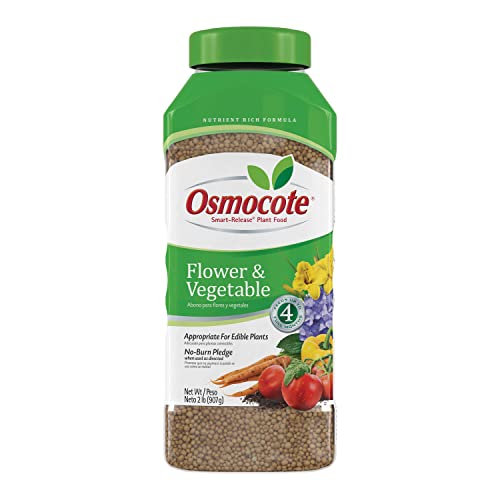
Osmocote Smart-Release is a slow-release fertilizer designed to provide steady nutrition over a long period. It promotes vigorous top-growth and strong root development, making it a solid choice for perennials and vegetable gardens. The controlled-release technology helps ensure a consistent supply of nutrients, reducing the risk of fertilizer burn from over-application and weather fluctuations. This product is ideal for gardeners who prefer a low-maintenance feeding plan that delivers reliable results through multiple growing cycles.
Because nutrients are gradually released, Osmocote minimizes the risk of sudden nutrient surges while sustaining plant health during the growing season. It’s particularly useful for beds, borders, and pots where a long-lasting feeding program supports continuous bloom development without frequent reapplication.
Burpee Natural Organic Plant Food

Burpee Natural Purpose Granular Organic Food is an OMRI-listed organic option designed for gardens that prefer natural inputs. It feeds plants with major and minor nutrients, plus beneficial microbes that help soil health, and can sustain feeding for up to three months. It is suitable for vegetables, flowers, and herbs, whether in beds or containers. The granules are easy to apply and spread, making it a practical choice for seasonal garden prep and ongoing maintenance. This product supports steady growth and more prolific blooms while aligning with organic gardening goals.
Because it’s OMRI-listed, Burpee’s formula appeals to gardeners seeking an eco-friendly option with fewer synthetic inputs. It provides a broad nutrient base that supports continuous feeding across multiple plant categories, with a focus on soil health and long-term vigor. For best results, apply according to label directions and adjust for planting density and soil conditions.
Cz Garden 4-10-10 Bulb & Bloom

Cz Garden 4-10-10 Bulb & Bloom is a premium, high-purity fertilizer designed to promote vigorous growth and larger blooms for flower bulbs and general garden plants. The 4-10-10 N-P-K ratio emphasizes phosphorus and potassium to support root establishment and flowering, while the slow-release format helps prevent burn and extends feeding through the season. This product is well-suited for bulb beds, perennial borders, and container plantings where consistent bloom development is desired. It’s a reliable choice for gardeners seeking a robust bloom boost with minimal maintenance.
The slow-release design minimizes risk to sensitive roots and ensures a steady nutrient supply. For best results, apply as directed and pair with good soil preparation and regular watering. This fertilizer is particularly effective in cool-season and transitional blooming periods when plants demand sustained nutrient access for robust flowering.
Buying Guide
When selecting a fertilizer for a flower garden, consider your goals, plant types, and preferred application method. The following factors help narrow choices and optimize bloom production without unnecessary waste.
- Plant type and bloom goals: If you primarily want lush blooms, look for products formulated for flowering (or labeled for bulbs and blooms) and those that support both blooms and foliage growth.
- Form and feeding schedule: Liquid fertilizers provide rapid results and are easy to adjust, while granular and slow-release formulas offer longer-lasting feeding with less frequent applications. Choose based on how much time you want to spend on maintenance.
- Organic vs synthetic: Organic options (like Burpee Organic or Cz Garden) support soil health and microbial life, while synthetic blends can deliver quick, predictable results. Your soil health goals will guide this choice.
- N-P-K balance and micronutrients: Check the ratio to match your plants’ needs. Higher phosphorus benefits flowering, while balanced N-P-K supports overall growth. Consider micronutrients such as calcium and sulfur when soil tests indicate a deficiency.
- Release mechanism: Slow-release granules reduce burn risk and provide steady nutrition; liquids deliver faster uptake. For containers, water-soluble or slow-release blends are often most effective.
- Soil health and microbes: Organic fertilizers that include beneficial microbes can improve soil structure and nutrient availability, especially in nutrient-poor beds.
- Container vs in-ground garden: Containers require more frequent feeding due to limited soil volume; in-ground beds may benefit from slower, longer-lasting options combined with soil amendments.
- Label guidance and safety: Always read label directions, apply at the recommended rate, and water after application. Avoid over-fertilizing, which can harm roots and fade blooms.
- Seasonal timing: For many flowering plants, peaking bloom occurs in spring and early summer. Choose fertilizers that align with these windows and adjust frequency as weather changes.
- Budget and coverage: Compare coverage area and price per unit to ensure you’re getting good value for your garden size and plant density.