Best Flower Seeds for Planting: Top Picks for Colorful Gardens
Finding the right seeds for planting can shape a season’s garden from early spring to late summer. This guide highlights five dependable flower seed options that perform well in American gardens, attract pollinators, and offer straightforward growing instructions. Each pick below includes key features to help you compare at a glance.
| Product | Brand | Notable Benefit |
|---|---|---|
| English Lavender Seeds | HOME GROWN | Non-GMO; high germination; versatile indoor/outdoor use |
| Zinnia Dahlia Seeds | HOME GROWN | High-germination; vibrant colors; great for borders and containers |
| Flower Seeds Packets (35 Varieties) | Gardeners Basics | Non-GMO; diverse mix; beginner-friendly |
| Chocolate Cherry Sunflower Seeds | SURVIVAL GARDEN SEEDS | Giant burgundy blooms; pollinator friendly |
| Cosmos Wildflower Mix (Groundio) | Groundio | Open-pollinated; attracts pollinators; easy care |
English Lavender Seeds for Home Gardens

English lavender seeds offer a serene, fragrant addition to herb beds, borders, or containers. These non-GMO seeds are noted for strong germination and are suitable for both indoor starting and outdoor planting. Lavender thrives in full sun with well-drained soil, storing essential bloom colors from late spring through summer. Gardeners can grow them as potted specimens near entryways or alongside herbs for a calming aroma and long-lasting petals for bouquets.
Zinnia Dahlia Seeds Pack — Vibrant Blooms
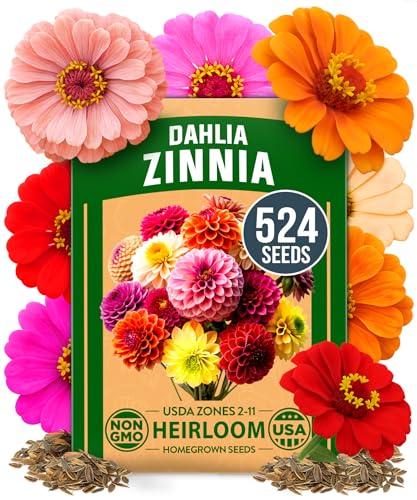
This large seed pack includes 524 premium seeds designed to produce bold, double blooms in a spectrum of colors. Zinnia Dahlia seeds are beginner-friendly, with quick germination and robust outdoor performance. They work brilliantly in borders, containers, and cut-flower bouquets, bringing a touch of regal charm to any summer garden. The variety’s structured petals and saturated hues make it a standout in pollinator gardens.
Flower Seeds Packets — 35 Varieties
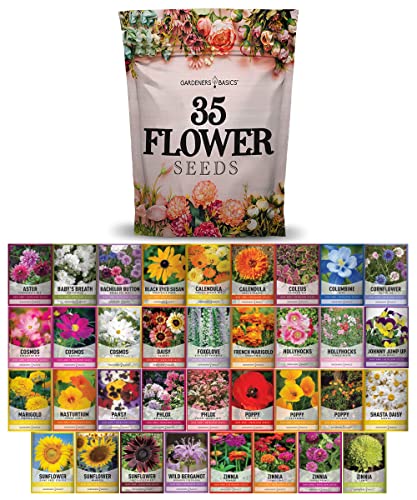
This assortment delivers 35 distinct varieties, including marigolds, hollyhocks, daisies, and sunflowers. All seeds are non-GMO and heirloom, with complete growing instructions on each packet. The collection emphasizes variety and ease-of-use, making it suitable for new gardeners and those seeking a ready-to-plant, ready-to-harvest garden. Packaged neatly in a gift-ready bag, it’s ideal for beginners building a pollinator-friendly bed.
Chocolate Cherry Sunflowers — Burgundy Blooms
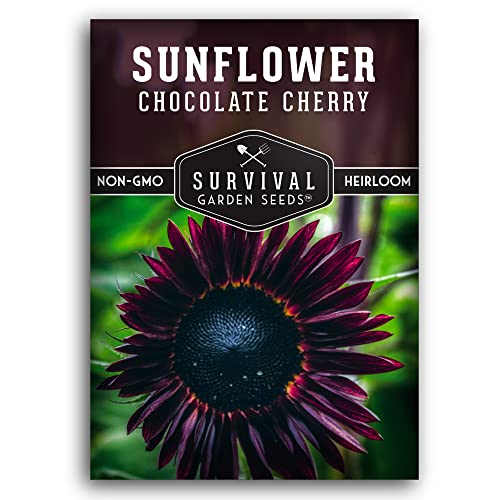
These giant sunflowers feature burgundy-black blooms with chocolate centers on tall 6–7 ft plants. The seeds are non-GMO heirloom varieties designed for full-sun beds, borders, or dramatic statement plantings. They attract bees and butterflies, contribute to a vibrant late-summer display, and produce cut flowers with long-lasting stems for arrangements. Their robust stems and dramatic color make them a focal point in any pollinator-friendly garden.
Cosmos Wildflower Mix — Groundio

This open-pollinated cosmos mix contains varieties Radiance, Purity, Pinkie, and Picotee. Cosmos are known for their long stems and airy petals that attract butterflies and bees. The seeds germinate reliably in spring and grow to 24–36 inches tall, covering broad garden spaces and attracting pollinators across the growing season. It’s an excellent choice for wildflower beds, borders, or meadow-style landscapes.
Buying Guide
- Pollinator compatibility: Choose seeds that attract bees, butterflies, and other beneficial insects to support ecosystem health and crop yields nearby.
- Germination and growing conditions: Look for high germination rates and seeds labeled non-GMO or heirloom if you prefer traditional varieties. Check sun exposure and soil drainage requirements for each plant.
- Planting timing and spacing: Some flowers germinate quickly and bloom within weeks, while others may take longer. Respect spacing guidelines to promote air circulation and reduce disease risk.
- Maintenance needs: Consider varieties with low to moderate care requirements if you’re new to gardening. Companion planting and deadheading can extend flowering seasons.
- Seed packaging and diversity: A mix with varied shapes, colors, and bloom times can create a fuller garden. Non-duplicate mixes help avoid repeated blooms and maximize variety.
- Climate suitability: Select seeds rated for your USDA hardiness zone to improve success rates and minimize issues from temperature swings or drought.
- Container gardening appeal: For limited spaces, pick compact or container-friendly varieties and ensure containers have drainage holes and appropriate potting mix.
These selections provide a balanced mix of color, height, and habitat support, enabling a versatile planting strategy for yards, patios, or community garden plots. Each option ships as seeds ready to sow, with guidance on seasons and care to help beginners establish a thriving flowering landscape.