Best Flowering Quince (Chaenomeles) Plants for Colorful Spring Blooms and Easy Care
Flowering quince (Chaenomeles) is a hardy, flowering shrub that brings early-spring color to gardens. This guide highlights five well-suited options for American gardeners, from red to peach tones, no-fuss care, and versatile landscaping uses. Whether you’re planting a hedge, a focal specimen, or a container display, these selected quince varieties offer reliable bloom, structure, and seasonal interest. The buyers described below fit common needs: ornamental color seekers, low-maintenance gardeners, and those building wildlife-friendly landscapes.
Summary table of selected products
- Double Take Scarlet Storm Quince — vibrant red blooms; best for bright focal points
- Double Take Peach Quince — soft peach blooms; great for lighter color palette
- Red Quince Flowering Plant (AVERAR) — vivid red blooms; ideal for borders
- Chaenomeles Japonica Flowering Quince Tree ( Peach Color) — peach blooms; balanced for small spaces
- Chaenomeles Japonica Red Flowering Quince Tree — striking red flowers; strong landscape accent
Double Take Scarlet Storm Quince — Proven Winners

The Double Take ‘Scarlet Storm’ is a Chaenomeles speciosa cultivar known for dense, red blooms that appear in early spring, creating a dramatic display. This plant generally reaches 36–48 inches in height and offers a compact form suitable for borders and small garden beds. It is best for gardeners who want a bright, eye-catching shrub that remains manageable without frequent pruning.
Best for: color-driven borders, foundation plantings, and small spaces where a bold focal point is desired. This choice suits beginners seeking reliable winter-to-spring color with minimal maintenance. A key limitation is that flowering quince can be thorny; handle with care when placing near walkways or stepping-stone paths.
Double Take Peach Quince — 4″ Pot

This Peach variety from the Double Take line provides soft peach blossoms in early spring, offering a more pastel option within the same compact stature as Scarlet Storm. It’s well-suited for displays that blend warm tones with greens, or for gardeners seeking a lighter alternative to red-flowered options. The cultivar tolerates USDA Zones 5–9 and typically grows in a 48–60 inch tall range in favorable conditions.
Best for: garden beds and front borders where a gentle color transition is desired. Choose this if you want a complementary companion plant to darker red quinces. A potential limitation is that color is dependent on sunlight; reduced sun may dull bloom brightness.
Flowering Quince Plant in 4” Pot (Red Quince) — AVERAR

The AVERAR red flowering quince offers a robust, easy-to-grow shrub with vibrant red blooms in early spring. Suited for garden beds and landscape borders, it can mature into a dense shrub sized for hedges or standalone plantings. It is described as suitable for USDA Zones 5–9, making it a flexible option for many American gardens.
Best for: adding a bold red accent to borders or hedges. Better for gardeners who want a reliable red focal plant without complex care. Limitation: flowering intensity can be influenced by site conditions and pruning timing.
Chaenomeles Japonica Flowering Quince Tree — Peach Color Bloom
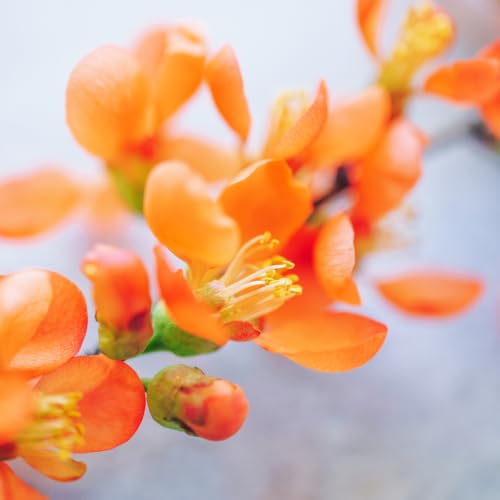
This well-rooted starter plant arrives in a 4″ pot and features peach-colored blooms in early spring. It’s described as Hardy and low maintenance, making it attractive for both novice and experienced gardeners. The shrub form provides reliable structure year after year, especially when placed where it can receive full to light sun.
Best for: gardeners seeking a peach-colored flowering quince with straightforward care. Choose this variety if you want a compact tree-like quince that still fits into container or small-landing designs. Limitation: as with other quinces, growth and bloom performance depend on pruning and site exposure.
Chaenomeles Japonica Red Flowering Quince Tree — AVERAR

This AVERAR red flowering quince emphasizes vibrant red blossoms on a well-rooted starter plant in a 4″ pot. It’s positioned as an adaptable option for borders, hedges, or container plantings, with early-spring color that stands out in mixed plantings. The plant is described as well-rooted and suitable for Zones 5–9.
Best for: strong red color and versatility in landscape uses. Better for gardeners who want a striking red factor in the landscape. Limitation: substantial thorns may require careful placement away from high-traffic areas.
Flowering Quince Seeds Pack — Seedville

The Seedville seed pack offers a variety of flowering quince colors, including red, pink, white, orange, scarlet, and peach, inside a 30-seed package. This option is best for gardeners who enjoy growing plants from seed and creating a mixed display. It grows into a shrub 6–10 feet tall with a similar spread and can serve as a hedge or a specimen planting in larger landscapes.
Best for: experimental gardeners and seed-start enthusiasts who want color variety. Choose this if you’re planning a larger project that includes edibles or fruit potential. Limitation: flowering and fruiting are not immediate; expect a delayed bloom compared to transplanted nursery plants.
Buying Guide: Flowering Quince (Chaenomeles) Considerations
- Hardiness and climate: Most Chaenomeles varieties tolerate USDA Zones 5–9, but in colder regions protect roots in winter and provide winter mulch.
- Sun exposure: Full sun promotes the most vigorous blooms; partial shade can reduce flower production and color intensity.
- Soil and drainage: Well-drained soil is essential; these shrubs tolerate a range of soils but dislike waterlogged sites.
- Bloom color and form: Red, pink, white, and peach tones vary by cultivar; use color to create focal points, borders, or hedges.
- Pruning and growth habit: Pruning after flowering helps maintain shape and encourages next season’s blooms; beware thorny branches when locating plants near paths.
- Landscape uses: Use as border plantings, low hedges, focal specimens, or container plantings for patios and balconies.
Frequently Asked Questions
- Q: When do flowering quince plants typically bloom? A: Most varieties bloom in early spring, often before or as many other shrubs leaf out.
- Q: Are flowering quinces edible? A: Some quince species produce edible fruit later in the season, though ornamental flowering quinces are primarily grown for bloom and shrub form; use fruits for preserves where applicable.
- Q: Do flowering quinces require a lot of pruning? A: Pruning after bloom helps maintain shape and prevent excessive thorn growth; avoid heavy pruning in late summer or fall to protect next year’s buds.
- Q: Are there thorny plants in this group? A: Yes, most Chaenomeles shrubs have thorns, which influences placement and handling.
- Q: Can these be grown in containers? A: Some cultivars are suitable for container planting, especially in smaller varieties and 4″ or 1-gallon pots with adequate sun and drainage.
- Q: What wildlife benefits do they provide? A: Early spring blossoms attract pollinators such as bees; fruiting forms can attract birds in some cultivars.