Best Flowering Shrubs for Zone 9 Landscaping
Zone 9 gardens enjoy warm winters and long growing seasons, making flowering shrubs a reliable way to add color and structure. This guide highlights five seasonally vibrant options that perform well in Zone 9’s heat, humidity, and coastal exposures. Each selection adapts to diverse soils and light conditions, delivering striking blooms from late winter through spring and beyond. Use the quick summary table below to compare key features at a glance.
| Product | Bloom Period | Growth Habit | Notes |
|---|---|---|---|
| Hardy Red Oleander | Spring to early fall blooms | Upright, 6-8 ft tall | Coastal tolerance; salt and wind resistant |
| Yuletide Camellia | Winter through January | Evergreen shrub | Glossy foliage; bright red blooms |
| October Magic Ruby Camellia | October through early winter | Medium-sized shrub | Ruby blooms in fall; zones 7-9 |
| April Tryst Camellia | Late winter to spring | Evergreen shrub | Fragrant red blooms; hardy to 6-9 |
| Pink Ruffle Azalea | Spring, with fall rebloom | Medium evergreen shrub | Bright pink ruffled flowers |
Choosing the right flowering shrubs for Zone 9 involves considering heat tolerance, soil type, sun exposure, and maintenance requirements. The options below are suitable for hot summers, can handle coastal conditions in many locales, and provide extended color across seasons. Always confirm local shipping policies and climate suitability before planting.
Hardy Red Oleander – 3 Gal

The Hardy Red Oleander is a large evergreen shrub with a tropical appearance that thrives in Zones 8-10, making it a strong fit for Zone 9 landscapes seeking bold color and structural presence. This plant grows upright to about 6-8 feet tall and wide, offering a dramatic vertical accent in mixed borders or coastal gardens. It performs well in a variety of soils and is noted for relatively low maintenance compared with other tropical-looking evergreens. The shrub tolerates heat, drought, salt spray, and high humidity, making it suitable for challenging coastal sites. Note that availability for certain states is restricted due to shipping policies.
Care considerations include selecting a sun-filled location for best bloom production. Regular pruning helps maintain a neat form and encourages denser flowering along the upper canopy. While oleanders are famously hardy, consult local guidelines regarding salt exposure and pesticide use where applicable. For Zone 9 gardeners desiring a striking, evergreen hedge or focal point with year-round presence, this oleander provides reliable performance in warm climates.
Yuletide Camellia – 3 Gal

Yuletide Camellia is an evergreen shrub celebrated for its large red blooms paired with bright yellow stamens during the winter season. It thrives in Zone 9 landscapes with glossy green leaves that provide year-round interest. Blooms typically begin in fall and extend into winter, offering a vivid contrast against darker foliage. This cultivar is well-suited to partial shade to full sun, provided the soil is well-draining. Its reliable winter display makes it a favorite for holiday color in gardens that prioritize season-long appeal. Gardeners should plan for protected locations in areas with intense afternoon sun to preserve leaf quality.
Growth is moderate, and the Yuletide Camellia can become a substantial evergreen shrub in time, contributing as a focal plant in entry borders or near seating areas where its seasonal blooms can be enjoyed up close. Regular light feeding and mulching help sustain vigor and bloom production through cooler months.
Southern Living October Magic Ruby Camellia

The Southern Living October Magic Ruby Camellia brings deep ruby blooms to Zone 7-9 with a compact, medium-sized habit reaching up to about 5 feet tall. While slightly outside Zone 9’s upper range, it remains a viable option for milder areas or microclimates within Zone 9. This cultivar favors partial shade to full sun in well-draining, acidic soil, delivering a dramatic fall-to-winter color splash. The evergreen foliage provides year-round structure, and the fall bloom period adds seasonal contrast to any landscape. Consider pairing it with lighter evergreens to create a layered, year-round garden display.
Before planting, evaluate existing soil pH and drainage; camellias benefit from consistently moist, acidic soil. Mulching helps retain moisture and protect roots from heat stress. Regular pruning after flowering maintains shape and health, ensuring long-term vigor and ongoing flowering potential.
April Tryst Camellia – 3 Gal

April Tryst Camellia is a fragrant, red-flowered evergreen shrub prized for late winter to early spring color. Hardy to USDA zones 6-9, it handles cooler conditions within Zone 9 and tolerates partial shade with acidic, well-drained soil. The plant’s showy, ruffled blooms and glossy foliage create year-round interest, making it a versatile choice for entryways, foundations, and mixed borders. Gardeners should ensure consistent moisture during bloom initiation and avoid harsh afternoon sun that can scorch foliage in hot climates. As part of a layered palette, April Tryst adds fragrance and a long bloom window to Zone 9 landscapes.
Maintenance includes light pruning to maintain an open canopy and prevent deadheading debris. The shrub rewards attentive watering in drought-prone periods, especially during the late winter and early spring bloom push. For Zone 9 gardeners seeking an evergreen shrub with red, fragrant blossoms, this Camellia delivers a reliable flowering display with a moderate growth rate.
Pink Ruffle Azalea – 3 Gal
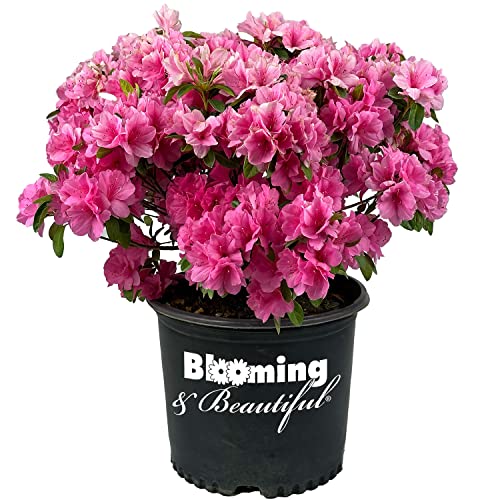
Pink Ruffle Azalea is an evergreen shrub that shines in Zone 7-10, producing mid-season pink flowers that boast frilled petals and a nearly three-inch diameter. Its dense, evergreen foliage adds year-round interest, and the plant’s ability to rebloom in fall makes it a strong multi-season performer for Zone 9 gardens. Azaleas generally prefer partial shade and acidic, well-drained soil—conditions commonly found in many Zone 9 landscapes with sheltered microclimates. This variety is well-suited for woodland-edge gardens, foundation plantings, or as a colorful backdrop in shaded borders.
To maximize bloom, maintain evenly moist soil and apply a mulch layer to regulate soil temperature. Avoid over-fertilizing, which can lead to excessive foliage at the expense of flowers. With proper placement and care, Pink Ruffle Azalea brings vibrant spring color and a touch of elegance to Zone 9 environments.
Buying Guide: Key Purchase Considerations
- Climate and microclimates: Zone 9 includes diverse microclimates. Consider heat tolerance, coastal exposure, and wind patterns when selecting shrubs.
- Light requirements: Camellias typically prefer partial shade to full shade, while oleanders prefer full sun. Match sunlight to plant needs to optimize flowering and growth.
- Soil and drainage: Most azaleas and camellias require acidic, well-drained soil. Amend soil if necessary and plan for consistent moisture, especially during bloom initiation.
- Water needs and drought tolerance: Drought tolerance varies by species. Group plants with similar water needs to simplify irrigation and conserve resources.
- Maintenance and pruning: Camellias benefit from light pruning after blooming; azaleas may need shaping to maintain form. Oleanders respond to regular pruning to control size and encourage flowering.
- Coastal considerations: Plants labeled as salt-tolerant perform better near shores. Verify local restrictions on plant shipments and consider salt spray exposure in site planning.
- Pest and disease management: Choose varieties with known resistance where possible; monitor for common pests (scale, aphids) and treat promptly to protect blooms.
- Planting time and establishment: Container-grown plants ease installation, but ensure proper spacing and root health. Water in after planting and mulch to stabilize moisture.
- Aesthetic goals: For year-round structure, combine evergreens (camellias, azaleas) with seasonal bloomers (camellias in winter, azaleas in spring) to maintain color and interest.
Choosing the right flowering shrubs for Zone 9 involves balancing bloom timing, growth habit, and site conditions. The selections above offer a mix of evergreen foundations, winter and spring color, and coastal resilience. By aligning plant choices with sun exposure, soil type, and maintenance capacity, Zone 9 gardens can enjoy consistent color and structure across the seasons without sacrificing health or performance.