Best Flowers for Bees and Butterflies: Top Pollinator Garden Picks
Bees, butterflies, and other pollinators rely on nectar-rich plants and suitable habitat to thrive. A garden designed with pollinators in mind supports local ecosystems, improves crop yields nearby, and enhances biodiversity in your yard. This guide highlights five Amazon products that offer nectar sources, host plants, and practical pollinator-friendly features for American gardens. Each option is selected for its ability to attract monarchs, bees, and butterflies while fitting common spaces. Use the buying guide at the end to tailor your planting plan to your climate and available sun.
Below is a quick summary of the five picks, including brand and core benefit, to help you compare at a glance.
| Product | Brand | Type | Key Benefit |
|---|---|---|---|
| Pollinator Seed Mix | Survival Garden Seeds | Wildflower & Milkweed Seed Mix | Attracts monarchs and a broad range of pollinators |
| Milkweed Seeds Pack | Gardeners Basics | Milkweed Seed Pack | Supports monarch butterflies with host plants |
| Perennial Wildflower Seeds Mix | Organo Republic | Wildflower Seed Mix | 16 varieties to attract bees and butterflies |
| Bee Watering Station With Marbles | Tandefio | Bee Watering Station | Hydrates pollinators with safe landing marbles |
| Two Pack Bee Watering Station | DIANlOVS | Bee Cup Watering Station | Easy setup and colorful garden decoration |
Pollinator Seed Mix By Survival Garden Seeds

The Pollinator Seed Mix combines wildflowers with milkweed to provide both nectar sources and a monarch host plant. The mix includes perennial and annual flowers that can be sown in a meadow or an outdoor pollinator garden, supporting conservation efforts and enriching the local ecosystem. Monarchs benefit from the milkweed component, which serves as the host for eggs and caterpillars, while bees, butterflies, and hummingbirds take advantage of the diverse bloom times from spring through fall. For best germination, the seeds can be stratified—recreated winter conditions by refrigerating damp seeds for 2-3 weeks before sowing—giving you a jump start on thriving seedlings.
In addition to monarch support, the mixture features a variety of bush, vine, and other flower types that attract a broad spectrum of pollinators. Gardeners can scatter the seeds across a meadow or plant them in existing pollinator beds to create continuous bloom. Early-season color often pairs with mid- and late-season offerings, helping pollinators stay in the area longer. The blend’s native and garden flowers create a mosaic of textures and colors that encourage beneficial insects to linger, boosting pollination for nearby vegetables, fruits, and ornamentals while enhancing biodiversity in your yard.
Milkweed Seeds Pack For Monarchs
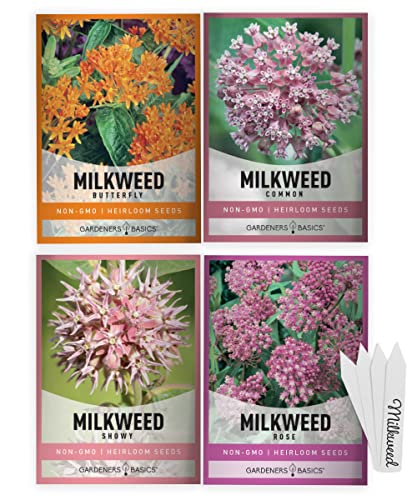
The Gardeners Basics Milkweed Seeds Pack is designed to empower a monarch-friendly garden. Milkweed is the essential host plant monarchs rely on for laying eggs and for caterpillars to feed, making this seed assortment a cornerstone of butterfly conservation. The collection includes four varieties—rose, butterfly, common, and showy milkweed—offering diversity in plant height, bloom color, and bloom timing. Planting these varieties can attract monarchs to your space and support the lifecycle of one of North America’s most iconic pollinators. The seeds are suitable for home gardens aiming to create a robust monarch habitat.
Beyond monarchs, milkweed helps general pollinator health by providing nectar and habitat across multiple seasons. The four varieties increase the odds that at least some will thrive in a given climate, soil, and sun exposure, improving germination success with careful planting. This option is ideal for gardeners seeking a targeted, monarch-centered seed kit that fits compact spaces while delivering meaningful ecological benefits. With mindful spacing and routine moisture, gardeners can establish a resilient monarch-friendly patch that persists year after year.
Perennial Wildflower Seeds Mix By Organo Republic

This Organo Republic mix offers a premium 16-variety perennial wildflower seed blend designed for indoor and outdoor planting. With over 100,000 seeds in a 4-ounce packet, this mix targets long-term bloom and steady nectar for pollinators, helping bees, butterflies, and even birds thrive across seasons. The included species list features White Yarrow, Columbine, New England Aster, Siberian Wallflower, Shasta Daisy, Lance-Leaf Coreopsis, Sweet William, Purple Coneflower, and more, giving gardeners a diverse palette of color and habitat. The brand emphasizes hearty, heirloom seeds and a detailed growing guide to support a professional-looking wildflower garden.
Growing this mix can create a striking pollinator bed that matures year after year. The mixture’s perennial nature means that, with proper soil and sun, many plants will return and naturalize, reducing the need for annual replanting. The online growing guides help beginners and seasoned gardeners alike, offering tips on soil preparation, watering, deadheading, and succession planting to maintain consistent nectar and pollen sources for bees and butterflies through multiple seasons.
Bee Watering Station With Marbles – Tandefio

The Tandefio Vivid Flower Bee Watering Station blends function with garden aesthetics. The package includes a bee watering station designed in a bright flower motif, accompanied by 30 glass marbles to create safe resting spots for pollinators while they drink. The marbles help prevent drowning and give bees and butterflies a stable landing area, encouraging hydration in hot weather. Installation is straightforward: attach the flower piece to the rod, place it in soil, and adjust height to create a layered look in your flower beds. It’s a practical pollinator accessory that doubles as a decorative garden feature.
Users should ensure the water level stays shallow and periodically refresh it to maintain clean hydration. The marbles not only provide safety but add a touch of color and whimsy to any pollinator garden. This option suits gardeners who want an eye-catching, low-maintenance watering solution that supports pollinator health while enhancing outdoor decor. Careful placement near nectar-rich plants can help keep bees and butterflies visiting your space over the season.
Two Pack Bee Watering Station – DIANlOVS

The DIANlOVS Bee Watering Station comes in a two-pack set with vivid flower designs and multi-colored cups to attract pollinators. The design emphasizes easy tool-free installation—simply connect the flower to the rod and insert it into soil. The varied cup colors help create an appealing garden display and the shallow water design with decorative beads or pebbles can prevent drowning while offering a safe landing for bees and butterflies. This product provides a practical hydration solution that doubles as a garden accent, making it a versatile addition to pollinator-friendly landscapes.
For best results, place these stations where bees frequently visit, near blooming nectar sources, and at different heights to create a layered irrigation system. Regular maintenance—refilling water and cleaning the cups—ensures long-lasting use. The combination of attractive design, simple installation, and pollinator-focused safety features makes this set a convenient option for gardeners seeking reliable hydration stations that fit a variety of yard spaces and design schemes.
Buying Guide
Seed Mixes And Wildflower Selection
When choosing seed mixes for pollinators, prioritize nectar-rich flowers that bloom across multiple seasons. Native wildflowers often perform best in local climates, supporting local bee and butterfly populations while requiring less maintenance. Look for mixes that include host plants for monarchs, such as milkweed, to provide essential lifecycle resources. Consider bloom succession—early, mid, and late-season flowers—to keep pollinators in your garden for longer. Assess seed size, germination requirements, and the need for stratification or cold treatment. A well-planned mix can create a continuous nectar corridor from spring to fall.
Milkweed And Monarch Habitat
Milkweed is a critical component for monarch conservation. Including several milkweed varieties increases the likelihood of successful monarch reproduction and caterpillar development. When selecting milkweed seeds, consider regional adaptability and mature plant height to fit your garden space. Planting the right milkweed species supports monarch populations without overwhelming other flora in your beds. Pair milkweed with complementary nectar plants to provide both larval habitat and adult food sources, creating a balanced, monarch-friendly landscape that thrives in a typical American suburban yard.
Watering Stations And Hydration
Watering stations for pollinators come in decorative and functional forms. Options with shallow water and safe landing surfaces reduce drowning risk while ensuring bees and butterflies can hydrate during hot days. Some designs bundle marbles or beads to create landing points; others emphasize visual appeal to blend with garden aesthetics. Place stations near flowering plants and sunlight-rich areas for higher usage. Regular maintenance—refilling water and cleaning cups—helps keep pollinators healthy and attracted to your garden across the season.
Climate, Space, And Sunlight
Match plant and seed choices to your climate, soil type, and sun exposure. Most pollinator-friendly plants prefer full sun and well-drained soil, though some natives tolerate partial shade. In colder regions, choose perennials that return each year and are hardy to your USDA zone. In small spaces, consider compact wildflower mixes or vertical planting approaches. Designing microhabitats with grouped bloom times helps avoid gaps in nectar sources, ensuring a steady stream of visitors from early spring through late autumn.
Maintenance, Safety, And Budget
Pollinator gardening benefits from low-maintenance plant selections and practical watering solutions. For seeds, read germination instructions carefully and plan for stratification if required. For vertical or decorative water stations, ensure stability and avoid overcrowding. Budget for initial seed purchases, soil amendments, and a few maintenance visits during the growing season. A mix of seeds and simple garden features—like a couple of milkweed patches plus watering stations—can create a manageable, high-impact pollinator habitat that sustains bees and butterflies in your backyard.