Best Flowers You Can Plant Now for Quick Color and Easy Growth
Planting now can jumpstart a vibrant garden with bloom-rich displays through late spring and into summer. This guide focuses on five seed-packed options that are well-suited for American climates, beginner-friendly, and capable of delivering steady color with relatively low maintenance. Each selection aligns with “flowers for planting now,” offering a mix of edible flowers, natives, and pollinator-friendly varieties to boost biodiversity in your yard. Below is a quick summary table of the chosen products to help you compare at a glance.
| Product | Key Benefit | Ideal For | Germination Notes |
|---|---|---|---|
| Seedphony 24 Gourmet Culinary Flower Seeds Variety Pack | Wide edible flower assortment | Indoor & outdoor gardens; culinary use | 90%+ germination; Non-GMO |
| HOME GROWN Pansy Swiss Giants Mix | Cold-hardy autumn color; edible blooms | Fall planting; containers and borders | 1,500 seeds; Non-GMO |
| HOME GROWN Sunflower Seeds to Plant | Giant Mammoth sunflowers; bold focal points | Borders, backyards, pollinator gardens | 520+ seeds; Open-pollinated |
| HOME GROWN American Legion Red Poppy Seeds | Vibrant red blooms; memorial garden appeal | Wildflower meadows; borders | 6,000 seeds; Annual poppies |
| Native Plant Seeds 24 Variety Pack | Native pollinator support; drought tolerance | Pollinator gardens; wildlife-friendly landscapes | Non-GMO; Perennial & annual mix |
The selections emphasize ease of growth, broad adaptability, and the ability to bloom across several seasons. Each product includes a mix of varieties designed to attract pollinators, provide edible blooms, or create striking visual statements in garden beds and containers. In the sections that follow, you’ll find concise details on each option, along with practical considerations for planting now and sustaining color throughout the growing season.
Seedphony 24 Gourmet Culinary Flower Seeds Variety Pack
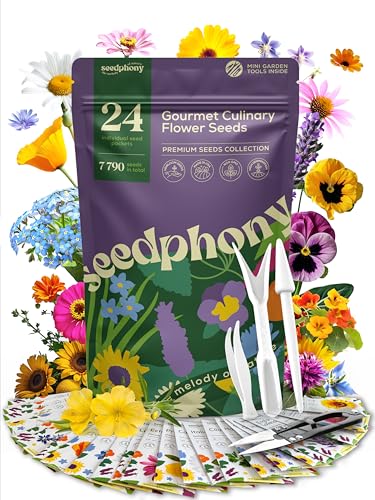
The Seedphony kit provides 24 edible flower varieties with more than 7,790 heirloom seeds. It includes herbs and edible blooms such as calendula, chamomile, nasturtium, and lavender, among others, to enhance salads, garnishes, and desserts. This non-GMO assortment is designed for versatile planting—indoors for early starts or directly outdoors in garden beds. The kit emphasizes a high germination rate (reported at 90%+), making it suitable for beginners and seasoned gardeners alike. A waterproof, resealable bag keeps seeds organized, and the included tools and QR-backed growing guide help streamline the cultivation process.
Key considerations: plan edible plantings near the kitchen or dining area for fresh harvests; ensure good drainage for seed-starting containers or raised beds; use the included tools to simplify seeding and maintenance. The culinary focus makes this a practical choice for homeowners who want beauty and flavor in one package.
HOME GROWN Pansy Swiss Giants Mix

These fall-planted pansy seeds are bred for cool-season vitality, offering a broad color spectrum that brightens autumn containers, borders, and balconies when other summer blooms fade. The Swiss Giants mix comprises 1,500 non-GMO seeds, a generous count that supports repeated planting cycles across containers or garden beds. Pansies, known for their edible petals in small quantities, can attract pollinators and provide early-season nectar. The seeds are designed to germinate in cool conditions, with robust performance in temperate climates.
Planting guidance: sow on the surface or lightly cover in cool soils, and keep consistently moist as seedlings emerge. Space plants to accommodate eventual 6–10 inch bushy growth, and consider pairing with cool-season herbs for a visually pleasing contrast. Their early bloom adds essential color as other plants begin to wake.
HOME GROWN Sunflower Seeds to Plant

This bulk packet features 520+ heirloom sunflowers designed to produce giant Mammoth plants reaching up to 12 feet tall with 14-inch flower heads. Open-pollinated and non-GMO, these seeds are ideal for creating strong focal points in borders or pollinator-friendly patches. The generous seed count makes these suitable for large plots or repeated plantings across the season. Germination is typically reliable with full sun and regular watering. The dramatic height and bold bloom size offer an immediate garden statement that’s both photogenic and wildlife-supportive.
Growing tips: plant in full sun, space according to mature plant size, and provide sturdy support in windy locations. Water consistently during germination and early growth. Consider planting in groups to maximize visual impact and pollinator visits.
HOME GROWN American Legion Red Poppy Seeds

The red poppy seeds are designed for outdoor planting in borders, meadows, and memorial garden spaces. With 6,000 seeds per package, this annual selection offers a high germination rate and dependable performance in sunny, well-drained soils. The poppy’s vibrant red petals provide a striking color contrast and attract beneficial insects, supporting overall garden health. The seeds are straightforward to sow—scatter and lightly press into the soil for best results. They are well-suited for naturalized landscapes where low maintenance is desired.
Cultivation notes: poppies favor full sun and average moisture; avoid heavy soils that retain water. Deadheading after bloom can encourage a longer flowering period, and the low maintenance requirement makes them suitable for busy gardeners seeking dramatic color with minimal care.
Native Plant Seeds 24 Variety Pack

This pack emphasizes New England and North American natives, including asters, coneflowers, bee balm, coreopsis, milkweeds, and sunflowers. Native plants typically require less water and maintenance once established and are known to support local pollinators such as bees and butterflies. The mix contains both perennials and annuals, offering a resilient blend that can thrive in full sun to light shade. The seeds are non-GMO and chosen for ecological compatibility, soil stabilization, and biodiversity benefits.
Consideration: when planting natives, match species to your climate zone and soil type. Grouping similar plants can simplify maintenance and maximize pollinator activity. Native gardens often provide year-round interest with seasonal color shifts and wildlife value.
Buying Guide: Key Purchase Considerations And Comparisons
- Climate compatibility: Choose varieties that suit your USDA hardiness zone and typical seasonal temperatures. Cold-tolerant options like pansies can extend color into cooler months, while sun-loving species perform best in full sun.
- Bloom timing and duration: Consider a mix of early-blooming, mid-season, and late-season flowers to sustain color across weeks or months. Edible and native options add functional value beyond aesthetics.
- Germination rate and seed quality: Look for non-GMO and high germination rates when possible. Seed packets that include growing guides or tools can improve success for beginners.
- Water and soil needs: Group plants by similar water requirements. Drought-tolerant natives reduce maintenance, while sunflowers and poppies often thrive with consistent moisture early on.
- Garden design: Use tall varieties as focal points (sunflowers), mid-height companions (pansies, poppies), and low-growing groundcover or edibles for borders. Edible flowers add culinary value to traditional ornamental planning.
- Edible and pollinator impact: If you want a kitchen garden, edible-flower kits offer dual utility. Native and pollinator-friendly seeds support local ecosystems and biodiversity.
- Maintenance needs: Evaluate whether you want annuals for year-to-year color or perennials for longevity. Perennial mixes like the native 24-variety pack reduce replanting work over time.
- Budget and bulk options: Bulk seed packs provide cost efficiency for large plots, while curated mixes can simplify planning with diverse aesthetics.
Overall, the selections above offer a balanced approach to planting now: edible options for culinary creativity, bold ornamentals for immediate impact, and native or pollinator-friendly seeds for ecological value. By considering climate, maintenance, and purpose, you can build a garden that remains vibrant from spring through fall.