Best Fly Repellent Solutions for Trash Cans and Outdoor Waste Areas
Managing flies around trash cans can be a persistent challenge. The right combination of repellents, traps, and protective measures helps keep areas cleaner and more comfortable. This guide highlights reliable products designed to deter or trap common flying pests near waste and outdoor trash zones. Each option below targets flies or helps prevent their access to garbage, dumpsters, and compost piles, offering practical, ready-to-use solutions for homes and small outdoor spaces.
| Product | Brand | Purpose |
|---|---|---|
| Farnam Repel-X Insecticide & Repellent | Farnam | Multi-species fly deterrent for premises |
| Farnam Flys-Off Insect Repellent | Farnam | Pets and bedding surfaces repellent |
| Catchmaster Fly Jar | Catchmaster | Food-based lure trap for outdoor use |
| Country Vet Meted Fly Spray | Country Vet | Automatic dispenser-friendly fly control |
| Fly Away Outdoor Fly Repellent Fan | Fly Away Product | Battery-powered pest deterrence for tables and outdoor spaces |
Farnam Repel-X Insecticide & Repellent

Farnam Repel-X provides a broad-spectrum spray that both kills and repels six common fly species, plus mosquitoes, gnats, ticks, fleas, chiggers, and lice. The water-based formula is ready-to-use and designed to minimize greasy residue, making it suitable for use around horses, dogs, and their premises. The versatile spray supports on-pet protection and environmental control without requiring mixing, offering a cost-effective, multi-purpose solution for trash can areas, barns, and outdoor feeding zones where flies tend to congregate.
Farnam Flys-Off Insect Repellent
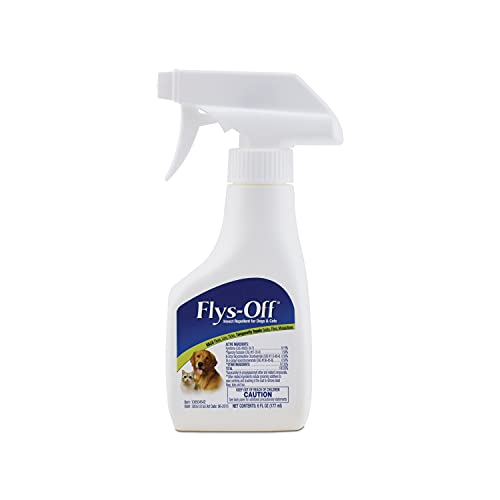
Farns-Off is designed to protect pets from flies, gnats, mosquitoes, fleas, ticks, and lice, with an additional benefit of acting as a surface repellent on bedding. The convenient pump spray makes application straightforward in areas around trash cans, pet waste stations, and outdoor enclosures. This product is intended to help reduce fly contact on animals and surfaces nearby, contributing to cleaner, more comfortable spaces in yards and porches where waste management can attract insects.
Catchmaster Fly Jar (Outdoor)

The Catchmaster Fly Jar is a pesticide-free, reusable outdoor trap that uses a food-based attractant to lure a broad range of fly species. It’s designed for quick setup and ongoing maintenance in yards, patios, and near trash areas. To operate, mix the attractant with water, then hang or place the jar where flies are a problem. The trap is reusable, allowing ongoing control by refilling lure and water after emptying. This option provides a non-toxic method to reduce fly populations around waste zones without relying on sprays near food prep areas.
Country Vet Pack of 3 Metered Fly Spray

Country Vet’s metered fly spray package is designed for automatic dispensers, helping to control flying insects across multiple areas, from barns to attics and inside homes. While primarily intended for automatic use, the spray’s effectiveness against flying insects makes it a practical option for trash can zones where continuous protection is desired. The product emphasizes controlled release, aiming to reduce fly populations around waste and food prep spaces without constant manual applications.
Catchmaster Outdoor Reusable Fly Traps – 2 Pack

This 2-pack of Catchmaster Fly Jars provides a broader outdoor coverage option, featuring the same lure-based, pesticide-free design. The traps are easy to deploy around trash areas, near dumpsters, and in yards. Each jar uses a weather-tolerant lure and water mix; when full of captured flies, you can reset with fresh attractant and water. The reusable nature helps maintain a low-cost, low-chemical approach for ongoing fly management near waste zones.
Fly Away – Outdoor Fly Repellent Fan

The Fly Away fan offers a pesticide-free deterrent by using a reflective, holographic surface to disrupt the aroma trail of food and deter insects. Battery-powered or DC-adapter-enabled, it’s portable for outdoor table setups, patios, and near trash receptacles. This option provides a non-chemical method to reduce fly activity in dining and lounging areas and is particularly useful where spray is undesirable or restricted.
Buying Guide: Key Purchase Considerations
When choosing fly control solutions for trash cans and outdoor waste zones, consider these factors to ensure the right fit for your space and needs:
- Area and exposure: For large outdoor spaces, traps and automatic dispensers may offer better coverage, while smaller areas benefit from targeted sprays or fans.
- Safety and pets: If you have pets or children nearby, non-toxic or low-toxicity options (traps and deterrents) are preferable to broad-spectrum sprays.
- Duration and maintenance: Reusable traps require periodic replenishment of attractants; consider convenience and ongoing costs.
- Weather tolerance: Outdoor traps and fans should withstand sun, rain, and breeze. Check product ratings for weather resistance.
- Target species: Some products address specific flies more effectively than others. If you have multiple pest types, a combination approach may be best.
- Ease of use: Ready-to-use sprays and simple traps save time. Complex setups may require a learning curve and more maintenance.
- Impact on waste-management practices: Align repellents with trash handling routines to avoid contamination of food preparation areas and ensure compliance with any local guidelines.
Additional Perspectives and Considerations
To optimize results, integrate these products with practical trash management practices. Keep trash lids closed when possible, seal bags securely, and maintain clean surfaces around receptacles. Fans and deterrents work well in outdoor dining areas, while traps offer ongoing population reduction without chemical exposure. When odors are strong, consider odor-control bags and regular disposal schedules to reduce fly attraction. For pet areas, coordinate repellents with grooming and litter routines to avoid overlap and ensure safety for animals. A layered approach—deterrents, traps, and proper waste practices—is often the most effective strategy for long-term fly control near trash cans.