Best Frog Repellent Safe for Dogs: Top Picks for Pest-Free Outdoor Spaces
If you’re looking for frog deterrents that are safe for dogs, these products offer pet-friendly formulas and targeted action to protect patios, gardens, and entryways. This guide highlights five effective options and explains who each is best for, plus practical buying tips so you can choose confidently.
Buyer-friendly summary table:
| Product | Best For | Why It Stands Out | Limitations |
|---|---|---|---|
| NatureStop Frog Repellent Spray | Families and pet-owners seeking natural oils | Natural oil-based formula; pet-friendly when used as directed | Spray around outdoor areas; reapplication needed |
| Exterminators Choice Frog Spray | Gardens and porches needing long-lasting protection | Citronella and lemongrass oils; durable coverage | Oil scent may be noticeable |
| Bonide Repels-All Animal Repellent | Wide pest protection for yards | Broad deterrent; biodegradable ingredients | Non-specific to frogs; may require broader application |
| Motrapso Lizard and Skunk Repellents | Multiple outdoor pests; dog-friendly | Natural plant oils; easy-to-use sachets or sprays | Specific pests may vary in effectiveness |
| EVSPWI Dog Repellent | Dog owners needing simple scent-based deterrents | Plant-based, easy-to-use sachets | Lasts up to about two months; check replacement cycles |
NatureStop Frog Repellent Spray

Best for: households seeking a natural, oil-based deterrent that is gentle on pets and family members when used as directed. This spray targets frogs and discourages activity around outdoor spaces like patios, pool decks, and walkways.
Why selected: The product blends natural oils to create a pet-safe barrier around frequent frog gathering spots. It avoids harsh chemical odors, making it a practical option for pet owners who want a cleaner alternative.
Limitation: Requires regular reapplication to maintain effectiveness in active frog zones.
Exterminators Choice Frog Spray
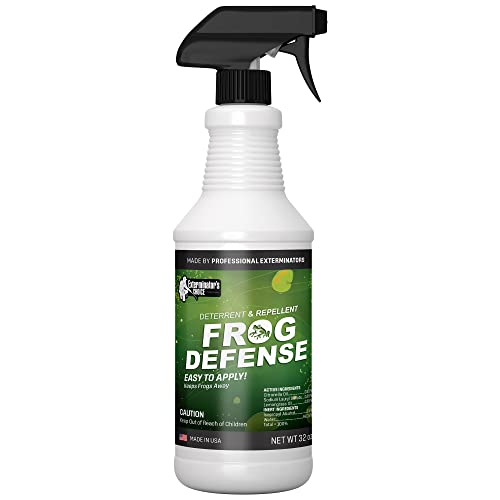
Best for: gardens, porches, and entry points where a longer-lasting frog deterrent is desired. Contains citronella and lemongrass oils for broad outdoor protection.
Why selected: Its long-lasting spray mechanism helps reduce frog presence over extended periods, appealing to those who want less frequent applications. It is designed for safe use around children and pets when used as directed.
Limitation: Distinct citrus-like scent may be noticeable in treated outdoor areas.
Bonide Repels-All Animal Repellent
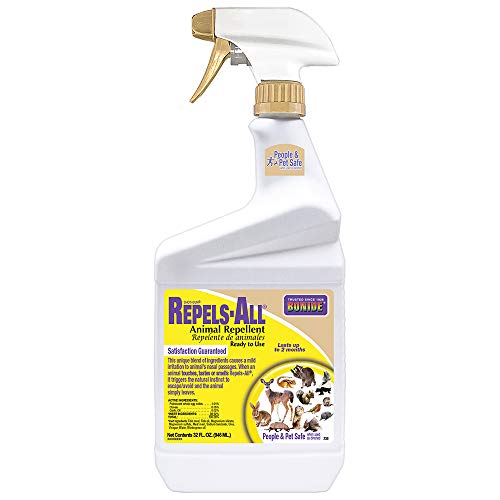
Best for: broad outdoor pest control, including deer, rabbits, mice, and other nuisance animals, with a focus on garden and yard protection.
Why selected: The formula uses natural ingredients to deter a wide range of animals without harming them, helping protect ornamentals and edibles alike when used as directed.
Limitation: It is a general animal repellent, so specific frog-focused effectiveness may vary; plan to cover frog-prone zones along with other pests.
Motrapso 24 Pack Natural Lizard Repellent

Best for: households seeking a long-lasting, plant-oil-based deterrent that can cover larger outdoor areas with reusable mesh bag placements.
Why selected: While marketed for lizards, the product relies on natural essential oils and is marketed as safe for humans and pets when used as directed, offering an option for pet households wary of harsher chemicals.
Limitation: Primarily formulated for lizards; frog deterrence may be less direct, depending on application zones and frog behavior.
Natural Armor Animal & Rodent Repellent Spray

Best for: outdoor spaces needing a broad defensive barrier against skunks, raccoons, rats, mice, and other common yard intruders.
Why selected: It claims a long-lasting outdoor coverage (approximately 1,000 square feet) with a peppermint-based formula that remains effective for up to 90 days and is water-repellent, which helps during rainy periods.
Limitation: Indoor use requires careful application planning to avoid over-saturation in living areas.
Buying Guide
What should I consider when choosing a frog repellent that’s safe for dogs?
Look for pet-safe formulations and product directions that specify safe use around dogs. Natural oils (citronella, peppermint, lemongrass) are common. Avoid products with harsh chemical fragrances or ingredients not labeled as pet-safe.
Where will you apply the repellent?
Consider the layout of your space. For high-traffic dog areas, select a spray or sachet designed for frequent outdoor use and easy reapplication. For stone walkways and gardens, wide-area sprays with longer-lasting coverage can reduce maintenance.
How long does protection last?
Durability varies by product. Some sprays last for weeks with reapplications after rain, while others offer up to 90 days of protection in dry conditions. Plan refills or replacements around seasonal frog activity.
How should the product be used safely around dogs?
Follow label directions, keep dogs away during application, and allow treated areas to dry completely before reintroducing pets. Use sprays only on outdoor surfaces and avoid applying directly to plants or edible crops unless approved by the manufacturer.
Are there alternatives if you have multiple pest concerns?
Consider a broad-spectrum animal repellent or a combined approach using both a frog-specific product and general deterrents for other yard pests. Always cross-check compatibility with pets and household activities.
FAQ
- Is frog repellent safe for dogs? Yes, many formulations are designed for use around pets when applied as directed. Always read the label and follow safety guidelines.
- Do these repellents work immediately? Some provide quick deterrence, while others require repeated applications, especially after rain or heavy foot traffic.
- Can I use these indoors? Most frog and animal repellents are intended for outdoor use. Indoor use is typically not advised unless specified by the manufacturer.
- Will the scent bother my dog? Herbal and essential-oil-based repellents may have noticeable scents; observe your dog’s reaction and adjust usage if needed.
- How long do sachets last? Sachets often last up to about two months, depending on exposure and weather conditions.
- Should I mix products? It’s generally better to rotate products or use products with different active scents to reduce animal habituation, and avoid applying multiple products at once on the same area.