Best Fungicide for Japanese Maples: Protect Health and Foliage
Japanese maples bring elegance to any yard with delicate leaves and vibrant seasonal color. Fungal diseases can threaten their beauty if trees are stressed or overwhelmed by moisture and poor air circulation. This guide focuses on products that bolster tree health and resilience, alongside practical fungicide considerations for effective disease control. The selected items emphasize balanced nutrition, strong root systems, and proper care routines that help maples fend off opportunistic pathogens. While the list centers on fertilization and general management, pairing these practices with labeled fungicides when needed offers the best protection. Use the summary below to compare options at a glance.
| Product | Brand | Primary Use | Key Benefit |
|---|---|---|---|
| Japanese Maple Fertilizer (8 oz) | TPS NUTRIENTS | Fertilizer for Japanese Maples | Supports vibrant foliage and transplant success |
| FoxFarm Happy Frog Japanese Maple Fertilizer | FoxFarm | Low-pH feeder solution | Phosphorus and potassium for maple needs |
| TreeHelp Premium Fertilizer | TreeHelp | Specialized Japanese Maple fertilizer | Promotes root vitality and long-term growth |
| LSU Purple Fig Tree | Japanese Maples and Evergreens | Ornamental fig tree | Includes rust-management guidance; suitable for diverse settings |
TPS NUTRIENTS Japanese Maple Fertilizer

TPS NUTRIENTS offers a complete liquid fertilizer tailored for Japanese maples. Its formulation aims to support thriving trees by supplying essential nutrients during active growth periods. This product is designed to enhance foliage vibrancy and strengthen branch development, which can indirectly improve a tree’s resilience against stressors that invite disease. It also aids transplanting success by promoting robust root establishment. Use as directed during the growing season to maintain even nutrition, avoiding over-fertilization that can lead to salt burn or excessive growth susceptible to foliar issues.
- Complete fertilizer for thriving Japanese maple trees
- Enhances vibrant foliage and strong branch growth
- Helps transplanting success
FoxFarm Happy Frog Japanese Maple Fertilizer

FoxFarm’s Happy Frog fertilizer is a nutrient-rich option formulated for Japanese maples and other low pH feeders. It emphasizes phosphorus and potassium to support root development and overall vigor. The product is designed to work well with maples, evergreens, and other acid-loving plants, promoting healthier growth and more resilient foliage. For disease management, a stronger, well-nourished canopy can help maples withstand environmental stressors that predispose trees to infections. Follow label directions for application timing and amounts, and consider integrating with appropriate fungicidal treatments when fungal pressure is high.
- Happy Frog Japanese Maple Fertilizer contains phosphorus and potassium to support the needs of these beautiful trees
- It is formulated for Japanese maples and all low pH feeders and evergreens
- Happy Frog Japanese Maple Fertilizer is specifically formulated for use on Japanese maples, lilies, evergreens, hydrangeas, junipers, dogwoods, flowering ornamentals, and other low pH feeders
TreeHelp Premium Fertilizer for Japanese Maple
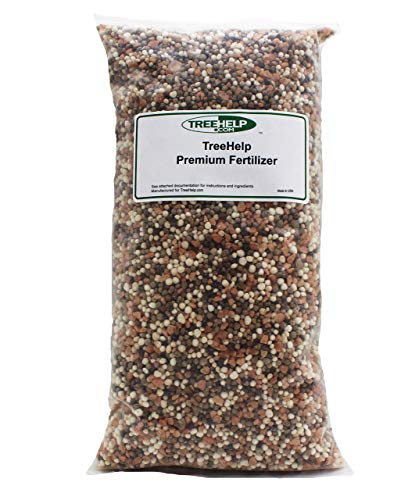
TreeHelp’s Premium Fertilizer is specifically designed for Japanese Maple trees. The product’s notes indicate that it is not available for sale in Washington state, USA, which may reflect state-specific regulatory considerations. The fertilizer emphasizes promoting long-term vitality through robust root development, supporting steady nutrient delivery during the growing season. When managing fungal risks, a strong root system and balanced nutrition help trees tolerate stress and recover more readily from infections. Always apply according to label instructions and be mindful of local restrictions before purchasing.
- Not Available for Sell in WA, USA
- 1.5 kg: Specially formulated for use on Japanese Maple trees
- Promotes long-term vitality through robust root development
LSU Purple Fig Tree

The LSU Purple Fig Tree product focuses on ornamental tree growth with a mature size and care guidance, including self-pollination and zone suitability. While primarily a fruiting fig tree, its features address disease-rust considerations, noting potential fig rust in humid climates and the role of copper fungicide sprays to protect foliage during rainy seasons. This perspective highlights a broader disease-management strategy for gardeners who plant maples nearby and wish to maintain overall orchard health. As with all live plants, ensure proper spacing, soil drainage, and rotation of care practices to minimize disease susceptibility.
- MATURE SIZE & CARE GUIDE: The LSU Purple Fig is a prolific producer of sweet, medium-sized figs with glossy dark purple skin and a reddish tint. Fruits are light amber to light strawberry-colored, and you can expect a heavy main crop in July, followed by a later crop often lasting into December. This fig tree can reach a mature height of up to 30 feet, thrives in full sun, is self-pollinating, and requires well-drained soil. It’s ideal for USDA Zones 7-10.
- SIZE UPON ARRIVAL: When your LSU Purple Fig arrives, it will be a baby plant, measuring 3-8 inches tall and potted in a 3-inch-deep container. Begin nurturing your young fig tree to maturity under your care.
- MANAGING FIG RUST: While ideal for Mediterranean climates with hot, dry summers and low humidity, LSU Purple Figs in humid or rainy areas may encounter fig rust, which affects appearance of leaves but not the fruit. Prevent fig rust by keeping the area under the tree free of leaf debris and avoiding excessive leaf moisture during watering. Copper fungicide sprays can help during the rainy season, ensuring your fig tree’s health and appearance.
Buying Guide
Key Purchase Considerations
- Targeted need: If you seek disease control specifically, select an approved fungicide with the active ingredient appropriate for the pathogens common to maples in your region. Fertilizers and soil amendments can reduce stress that predisposes trees to infections, but they are not substitutes for labeled fungicides when fungi are present.
- Plant health versus disease risk: Healthy maples with balanced nutrition show improved resilience. Choose products that address nutrient balance and root vigor, and use fungicides only as needed per label directions.
- Soil and climate compatibility: Maples prefer well-drained soil. Low pH feeders and evergreen-adapted formulas may suit nearby plantings, but always consider local climate challenges like humidity and rainfall that influence rust or other foliar diseases.
- Regulatory considerations: Some fertilizers or plant products may have state-specific restrictions or availability. Check local regulations and product labels before purchase.
- Safety and application: Follow label instructions for timing, dosage, and compatibility with other treatments. Protect beneficial organisms where possible and avoid applying near groundwater sources or sensitive habitats.
Fungicide Versus Fertilizer: A Practical Perspective
- Fungicides: Target fungal pathogens directly; choose based on active ingredients, spectrum of activity, and plant compatibility. Timing is critical—apply at the onset of disease signs or preventively when risk is high.
- Fertilizers and soil health: Nurture maples with balanced nutrition to reduce stress and improve recovery from disease pressure. Fertilizers support growth, not direct disease eradication. They are often part of an integrated care plan alongside targeted fungicides when required.
- Integrated approach: For best results, combine healthy cultural practices (proper watering, mulching, pruning) with disease-specific treatments. Always honor product labels and local guidelines for safe use.
Simple Comparison Of Fungicide Options
| Type | Pros | Cons | Best For |
|---|---|---|---|
| Copper-based fungicides | Broad-spectrum protection, good for rust; often compatible with ornamentals | Can cause phytotoxicity in some maples with certain blends; must follow label | Leaf rust and other foliar diseases on maples in wet climates |
| Sulfur-based fungicides | Effective against powdery mildew and some rust | Can burn new growth in hot weather; may be restricted on some plants | Early-season powdery mildew prevention |
| Systemic fungicides | Internal protection; longer residual activity | Higher cost; risk of resistance; restricted use on some ornamentals | Severe or recurring infections with label approval |
When choosing a product, prioritize compatibility with Japanese maples, environmental conditions, and the specific disease pressure in your area. Keep in mind that the four products featured here focus on nutrition and overall tree vigor, with fungicidal options addressed through general guidelines and best practice recommendations. A well-nourished maple is better equipped to weather disease challenges, and timely, labeled fungicide applications can prevent infections from taking hold.