Best Fungicide for Potted Plants: Top Picks for Healthy Containers
When selecting a fungicide for potted plants, aim for options that protect ornamentals and edibles without harming beneficial insects or stressing tender new growth. This guide highlights five top products, each chosen for specific needs—organic suitability, multi-purpose plant protection, copper- or copper-free formulas, and pest-plus-disease control. Read on to match the right product to your container garden, whether you grow herbs, vegetables, or flowering houseplants. The buyer-friendly table below summarizes key aspects for quick comparison.
| Product | Best For | Active Ingr./Notes |
|---|---|---|
| Bonide Captain Jack’s Copper Fungicide | Organic gardeners needing broad disease control | Copper-based, approved for organic gardening |
| Bonide Captain Jack’s Neem Oil | Multi-protection for plants; pests and diseases | Neem oil blend; fungicide, insecticide, miticide |
| Grower’s Ally Fungicide Concentrate | Copper-free option for sensitive plants | Citric acid formula; OMRI-listed |
| Trifecta Crop Control | All-in-one pesticide and fungicide for interiors/exteriors | Natural plant-based actives; broad pest/disease control |
| Earth’s Ally 3-in-1 Plant Spray | 3-in-1 protection with essential oils | Botanical oils; for pests and diseases |
Bonide Captain Jack’s Copper Fungicide, 32 oz
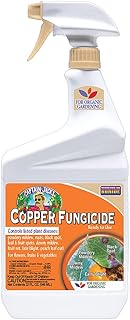
Best for: Organic gardeners needing broad disease protection with harvest-day flexibility. This ready-to-use liquid copper fungicide is approved for organic gardening and can be used up until harvest. It targets a wide range of diseases including blight, black spot, and powdery mildew, making it suitable for a variety of potted plants from vegetables to ornamentals. Cautions: Copper products can accumulate in soil over time; avoid excessive applications on sensitive plant varieties and test on a few leaves first.
Bonide Captain Jack’s Neem Oil, 32 oz

Best for: Gardeners seeking an all-in-one prophylactic and curative option for both diseases and pests. Neem oil serves as a multi-purpose fungicide, insecticide, and miticide, protecting houseplants, roses, trees, shrubs, fruits, nuts, and vegetables. It helps against rust, powdery mildew, and common pests like spider mites and aphids. Cautions: Neem oil can cause phytotoxicity in some delicate plant species if applied under high heat or direct sun; always follow label guidance and perform a patch test.
Grower’s Ally Fungicide Concentrate for Plants
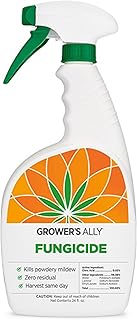
Best for: Gardeners seeking a copper-free alternative with safety for harvest and pets. This citric acid-based formula prevents powdery mildew, blight, leaf spot, and other diseases on houseplants and edibles. It is OMRI-listed and FIFRA 25(b) exempt, making it suitable for organic gardening without metal buildup. Cautions: Citric acid-based sprays may require more frequent applications on heavy infection; ensure thorough coverage for best results.
Trifecta Crop Control Ready to Use
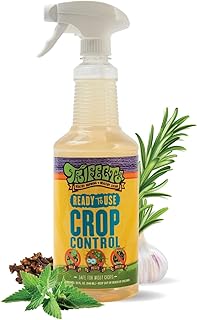
Best for: Indoor and outdoor use where a combined pest and disease solution is desired. This all-natural, plant-based formula targets spider mites, powdery mildew, and other pests while acting as a fungicide for plant protection. It is designed to be safe for edible crops and does not leave harsh residues. Cautions: Some users may prefer dedicated fungicides for targeted diseases; effectiveness depends on timely application and coverage.
Earth’s Ally 3-in-1 Plant Spray

Best for: Gardeners wanting a botanical oil-based spray for both pest control and disease prevention. The 3-in-1 formula uses essential oils to kill soft-bodied insects and to suppress disease development. It’s suitable for indoor and outdoor use with a focus on gentle on beneficial insects and edible crops. Cautions: Essential oil formulations can cause leaf burn if misapplied; always follow dilution and application timing guidelines.
Buying Guide: What to Consider When Choosing a Fungicide For Potted Plants
- Organic compatibility: If you garden organically, verify that the product is approved for organic use and aligns with harvest timing.
- Target scope: Decide whether you need disease-only control, pest control, or a combined approach. Some products are multi-use, while others specialize in fungi.
- Active ingredient and soil impact: Copper-based products can accumulate in soil; copper-free formulas reduce this risk but may have different efficacy. Consider your plant sensitivity and soil health.
- Plant safety: Test new products on a small leaf area first, especially with delicate houseplants. Some oils or acids can cause burn on certain species.
- Edible crops: If you grow herbs or vegetables in pots, ensure the product is labeled safe for edible crops and check any withdrawal or harvest timing guidance.
- Application timing and coverage: Effective control depends on consistent coverage and reapplication intervals; follow label directions for best results.
Frequently Asked Questions
What is the most versatile fungicide for potted plants?
A product labeled as a multi-use fungicide or a 3-in-1 formula that covers fungi and pests is typically the most versatile for diverse container gardens.
Can I use copper fungicides on all potted plants?
Copper fungicides work broadly but may accumulate in soil and affect sensitive plants; use sparingly and rotate with copper-free options when possible.
Are neem oil products safe for edible container plants?
Neem oil can be used on edible crops when applied per label directions; observe waiting times and avoid high-heat application to reduce risk of phytotoxicity.
What should I do if a product causes leaf burn?
Rinse leaves with water, reduce concentration, and adjust application timing (cooler parts of the day). If symptoms persist, discontinue use and switch products.
Is organic certified fungicide always best for pots?
Organic labels indicate the product meets certain criteria, but effectiveness still depends on infection level, plant type, and usage timing.
How often should I reapply fungicides to potted plants?
Follow the label for reapplication intervals; many products require repeat treatments every 7–14 days during active disease periods, with adjustments for weather conditions.