Best Fungus Gnat Traps for Indoor Plants and Gardens
Fungus gnats are a common nuisance for potted plants and indoor greenery. Bright yellow sticky traps offer a chemical-free way to catch adult gnats and monitor infestation levels. The right trap reduces plant stress and makes ongoing pest management simpler. The following five products stand out for their non-toxic design, strong adhesion, and user-friendly setup. Use these traps near plant pots, would-be breeding sites, and fruit bowls to curb gnats without harsh chemicals. This guide also provides practical tips on placement, replacement timing, and disposal for better results.
| Product | Brand | Pack Size | Key Benefit |
|---|---|---|---|
| JPMOS Yellow Sticky Traps | JPMOS | 36 Pack | Bright attractant, strong glue, safe for indoors and outdoors |
| Landisun Fungus Gnat Traps | Landisun | 48PCS | Easy-to-use sticks with safe, adhesive surface |
| Cleanuper Flying Insect Traps | Cleanuper | 58 Pcs | Top-grade sticky glue, non-toxic, UV resistant |
| Dwcom Fungus Gnat Traps | Dwcom Trap | 40 Pack | Bright yellow traps with odor-free operation |
| Super Ninja Fungus Gnat Traps | Super Ninja | 60 Pack | Up to 3 months of protection, eco-friendly and non-toxic |
JPMOS Yellow Sticky Traps For Gnats
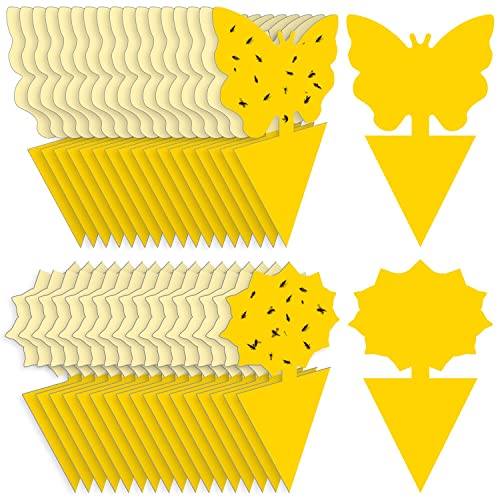
JPMOS offers 36 yellow sticky traps designed to attract flying plant pests, with a high-quality glue that prevents escapes. The yellow color is a key visual cue for gnats in both indoor and outdoor settings, particularly around potted plants. The traps are described as safe and non-toxic, relying on color attraction and adhesive capture rather than chemicals. They are easy to use—peel and place around plant pots or near fruit as needed. This combination makes JPMOS a practical option for households seeking a straightforward, chemical-free gnat control method.
In practice, the traps work well when deployed in commonly infested areas: under plant saucers, near compost, and along windowsills. The product emphasizes odor-free operation and pet/child safety, which is important for homes with curious pets or kids. While replacement frequency will depend on infestation levels and environmental humidity, these traps can provide steady monitoring and help reduce adult gnat populations over time when used consistently.
Landisun Fungus Gnat Traps

Landisun’s 48-pack traps are designed to monitor and reduce fungus gnat and fruit fly activity indoors and outdoors. The traps use a sticky adhesive surface to immobilize insects on contact, offering a chemical-free approach compared to insecticides. The yellow traps are easy to deploy—simply peel away the protective cover to expose the glue and place near potential hotspots like fruit bowls, houseplants, or waste areas. These traps emphasize safety for households with pets and children, relying on mechanical capture rather than chemical control.
Users often position these traps around plant bases and in humidity-prone areas where gnats breed. Because they rely on physical entrapment, there’s no risk of residue or smells, which makes them suitable for kitchens, living rooms, and offices with plants. For best results, replace traps as the adhesive loses its stickiness or when the traps become saturated with insects, ensuring continued effectiveness over time.
Cleanuper Flying Insect Traps

Cleanuper’s 58-piece set uses top-grade sticky glue to maximize the trapped insect rate. The traps are described as non-toxic and odorless, making them safe for homes with children and pets. They are marketed as waterproof and UV-resistant, which supports extended outdoor and indoor use. The disposable design simplifies maintenance: once the traps are spent, they can be discarded without fuss. This combination makes Cleanuper a solid option for households seeking durable, low-odor traps with straightforward disposal.
Placement guidance focuses on high-activity zones, such as near potted plants, compost areas, and kitchen waste, where gnats often congregate. The broader set allows for coverage across multiple plants or rooms. While not a chemical solution, these traps can significantly reduce adult populations when used as part of an integrated pest management routine and replaced regularly to maintain adherence and effectiveness.
Dwcom Fungus Gnat Traps

Dwcom’s 40-pack yellow sticky traps are designed for both indoor and outdoor use. The bright yellow color acts as a magnet for gnats and other small flying insects, delivering a high capture rate with minimal setup. The traps are described as odor-free, making them suitable for living spaces and offices with plants. The design emphasizes ease of use, including straightforward placement around plant pots and around kitchen areas where gnats are common.
Because these traps rely on a sticky surface rather than chemicals, maintenance involves replacing traps before the adhesive becomes saturated. They are compatible with a broad range of plant sizes and can be inserted around the soil line or near plant bases. Regular replacement supports ongoing control and reduces the need for harsh interventions in home environments.
Super Ninja Fungus Gnat Traps

Super Ninja offers a 60-pack option designed for long-lasting gnat control. The traps use a bright yellow attractant to draw gnats, whiteflies, aphids, and other flying insects to the adhesive surface. The packaging and materials emphasize safety, with non-toxic and recyclable components that are odorless, suitable for homes with kids and pets. With up to three months of continuous protection, these traps reduce the frequency of replacement, supporting lower maintenance overhead for households with multiple plants or larger indoor spaces.
Deployment guidance centers on placing traps around plant bases, near humid zones, and in areas where gnats tend to fly. For best results, consider rotating trap placements to cover different plant clusters and monitor trap saturation. The long-lasting design makes them a convenient option for people who want a low-effort, extended pest management solution while keeping homes free of chemical residues.
Buying Guide
Selecting the right fungus gnat trap involves balancing coverage, safety, and ease of use. Consider the following factors to choose the best option for your space.
- Coverage and pack size: Larger packs reduce replacement frequency in bigger collections of plants or herb spaces. If you have multiple rooms, a 40–60 pack often provides adequate coverage.
- Adhesive strength and longevity: Traps with stronger glue capture more gnats before needing replacement. Longevity matters for people seeking lower maintenance.
- Safety and odor: Non-toxic, odorless traps are ideal for homes with children and pets. Odor-free options reduce indoor air concerns.
- Indoor versus outdoor use: Some traps are marketed for indoor use, others for both indoor and outdoor settings. Consider where your plants reside year-round.
- Ease of deployment: Simple peeling and placement near plant bases or fruit areas save time and reduce setup friction.
- Disposal and environmental impact: Recyclable materials and easy disposal help minimize waste and align with eco-conscious choices.
- Versatility: Traps that attract multiple pests (gnats, whiteflies, aphids) can offer broader pest management benefits.
- Replacement strategy: Plan to replace traps before the adhesive loses stickiness or becomes saturated to maintain constant control.
In practice, an effective approach combines monitoring traps with proper plant care. Let the traps serve as early warning indicators, then address moisture levels, soil health, and potting media to reduce breeding grounds. For spaces with persistent issues, rotate trap locations to maximize adhesion and maintain a pest-free environment over time. Always follow manufacturer guidelines for placement and disposal to ensure safe, consistent results.