Best Garden Beds for Vegetables: Top Raised Beds for Your Veggie Patch
Discover durable, easy-to-assemble raised garden beds designed to boost vegetable yields and simplify garden care. This guide covers five highly relevant options, from large rectangular steel beds to compact galvanized boxes, plus a versatile wood bed. Each choice supports deep-rooting vegetables and provides stable, accessible planting space for American yards, patios, and balconies.
Summary Of Selected Products
- Best Choice Products 6x3x2ft Outdoor Metal Raised Garden Bed — Gray
- Best Choice Products 8x4x2ft Outdoor Metal Raised Garden Bed — Gray
- Best Choice Products 6x3x2ft Outdoor Metal Raised Garden Bed — Beige
- Best Choice Products 48 x 24 x 30 Inches Raised Garden Bed — Natural Wood
- Eclaron Galvanized Raised Garden Bed 4x2x1ft (2 Pack) — Oval
Best Choice 6x3x2ft Metal Raised Garden Bed — Gray
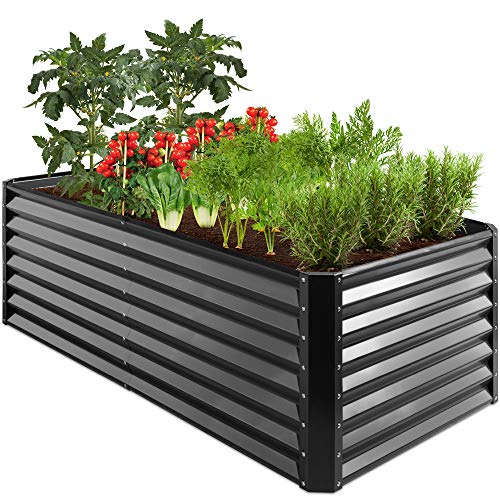
2-foot growing depth with 269 gallons of soil capacity supports medium to deep-rooting vegetables such as broccoli and beans. The bed is designed with powder-coated steel panels and a tool-free assembly using wingnuts and bolts, plus rubber edging for safety. A bottom panel is not included, making it suitable for added drainage and root development in open-ground layouts.
Best Choice 8x4x2ft Metal Raised Garden Bed — Gray
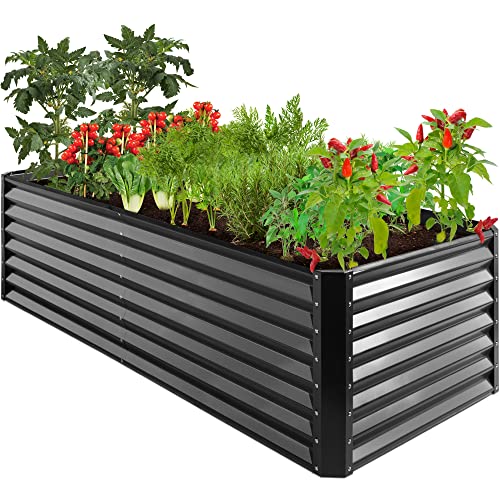
With 478 gallons of soil capacity, this larger bed extends growing depth for a broader vegetable mix, including broccoli and beans. It supports open-base drainage to promote soil enrichment through composting at home. Assembly remains tool-free, using beveled steel panels and a bolt system with rubber edging for user protection.
Best Choice 6x3x2ft Beige Raised Bed — Deep Root Planter

This beige variant shares the same deep 24-inch soil well and cordless assembly design, offering a versatile option for coordinating with outdoor furniture. Built from powder-coated steel panels, it provides durable support for lettuce, cucumbers, strawberries, and other seasonal crops while keeping maintenance straightforward.
Best Choice 48 x 24 x 30 Inches Raised Garden Bed — Natural Wood
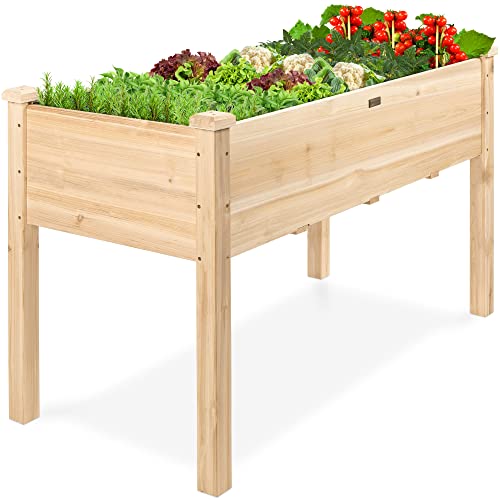
A traditional wood option with all-plank construction using Chinese fir wood. The generous 5 cubic feet planting space allows multiple vegetable varieties and herbs to flourish. Proper drainage design helps prevent waterlogging, while the wood’s natural resilience supports balcony or backyard setups with a classic aesthetic.
Eclaron Galvanized Raised Bed Garden Box — 4x2x1ft (2 Pack)

This two-pack features an oval galvanized design with a heavy-duty, clamp-and-bolt assembly. The galvanized steel provides long-term durability, ideal for busy urban gardeners or seniors seeking easy setup. The packaging emphasizes fast assembly and a sturdy frame suited for vegetables and flowers alike.
Buying Guide
- Growing depth and soil capacity: Choose beds with at least 24 inches of depth for deeper-rooting crops like broccoli, tomatoes, and beans. Consider models with higher capacity if you plan to grow a larger vegetable mix.
- Material and longevity: Steel beds offer strong support and modern aesthetics; wood beds provide a natural look but may require maintenance. Galvanized steel resists rust and wears well in varied climates.
- Drainage and bottom panels: Open-base designs can improve drainage and soil enrichment but may require bottom panels for certain layouts. Assess whether you need bottom access for composting or moisture control.
- Assembly effort: Most options on this list advertise tool-free or simple bolt-and-wingnut assembly. If time is limited or you’re new to gardening, prioritize products with straightforward setup and included hardware.
- Size and placement: Larger beds create more gardening space but require steady support and level ground. Consider balcony or patio constraints, and ensure the weight of a filled bed is manageable for your surface.
- Maintenance: Wood beds may need periodic sealing or staining. Metal beds can show scratches or dents over time but usually require less ongoing care. Think about your climate and how you’ll protect surfaces.
- Versatility: If you’re experimenting with crops, a mix of sizes (compact and large) can help you allocate spacing for different vegetable families while keeping overall garden layout cohesive.