Best Garden Cloth for Raised Beds: Netting and Liners for Healthier Crops
Answering your search for durable garden cloth for raised beds, this guide highlights five top options that protect crops, control weeds, and preserve soil. Each pick targets common needs: pest protection, weed suppression, drainage, and straightforward installation. Ideal buyers include hobbyists building small urban beds, busy gardeners needing long-lasting liners, and landscapers seeking reliable raised-bed gear. The summary table below helps compare key features at a glance.
| Product | Best For | Size | Material | Key Benefit |
|---|---|---|---|---|
| Garden Netting Pest Barrier (Garden Tailor) | Pest protection for vegetables and flowers | 4′ x 10′ | HDPE | Effective bug barrier with UV resistance |
| LGJIAOJIAO Weed Barrier Landscape Fabric | Weed control in large beds | 3′ x 50′ | Polypropylene geotextile | Very strong, durable weed suppression with drainage |
| FEED GARDEN Ultra-Fine Mesh Netting | Row cover for vegetables and fruits | 8′ x 10′ | UV-stabilized PE | Fine mesh allows light, air, and water |
| EcoBrisa Raised Bed Liner (2 Pack) | Soil containment and drainage | 63″ x 83″ or 63″ x 114″ | Non-woven fabric | Prevents erosion and weeds, easy to trim |
| YNERHAI 10x50ft Garden Mesh Netting | Broad coverage for trees and beds | 10′ x 50′ | Ultra-fine mesh PE | Protects fruit trees and berries with high airflow |
Garden Netting Pest Barrier for Raised Beds
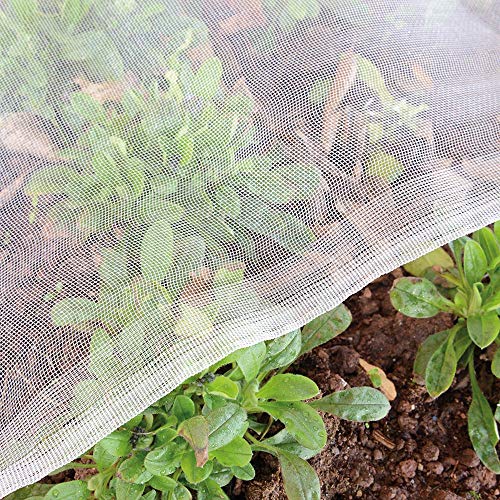
Best for: Vegetable and flower plots requiring reliable pest exclusion. This 4′ x 10′ netting acts as a physical barrier against cicadas, carrot fly, aphids, and other nuisances. The HDPE material is UV-resistant and light enough to avoid stressing plants. The tight selvedge resists unraveling, enhancing durability in long-season use.
Why selected: Its combination of effective pest control, plant-safe construction, and wide application (indoor use, windows, or garden rows) makes it a versatile option for raised beds and containers. The all-purpose design reduces the need for multiple covers in a single season.
Caution: While the mesh is fine, very small pests may still try to access through gaps around edges. Ensure full coverage by securing the edges well with pins or clips.
LGJIAOJIAO Weed Barrier Landscape Fabric
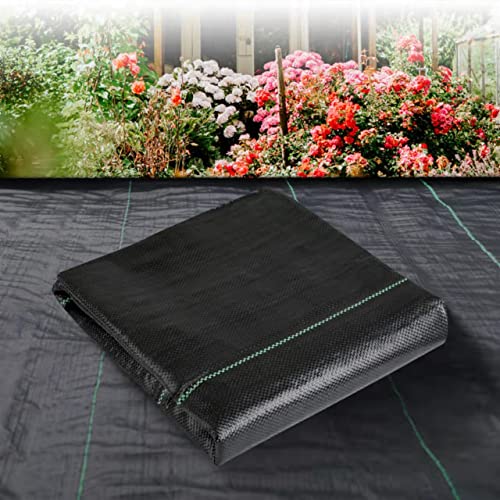
Best for: Large landscaped beds or pathways needing long-term weed suppression while maintaining soil health. This heavy-duty 3′ x 50′ fabric is designed to withstand foot traffic and weather with high tensile strength and tear resistance.
Why selected: The fabric balances weed control with water and nutrient passage to the soil, helping plant roots stay hydrated without weed competition. Its durability supports extended outdoor use in demanding climates.
Caution: The material is robust; cutting to fit requires sharp scissors or a utility knife for clean edges. Plan precise layouts before installation to minimize waste.
FEED GARDEN Ultra-Fine Mesh Netting

Best for: Row covers over vegetables and fruits where airflow and light are important. The 0.7 x 0.8 mm mesh blocks most pests while allowing sunlight and rain to reach plants, reducing irrigation disruption.
Why selected: This netting provides durable, long-lasting protection with UV-stabilized PE material, suitable for season-long use as a greenhouse mesh or barrier net. It works well when you need quick, temporary protection without chemical interventions.
Caution: If you routinely water from above, verify the watering method won’t displace the cover edges; secure edges firmly to avoid movement during irrigation or wind gusts.
EcoBrisa Raised Bed Liner (2 Pack)

Best for: Large or multiple raised beds needing soil containment and weed suppression. The liner helps keep soil in place while enabling drainage to prevent root rot.
Why selected: The two-pack non-woven fabric liners offer customizable fit and straightforward installation. They can be trimmed to match bed dimensions, enabling neater setups on patios, decks, or ground-level plots.
Caution: This liner is porous for drainage, so ensure a stable base beneath the liner to prevent shifting or erosion during heavy watering or wind exposure.
YNERHAI Garden Mesh Netting

Best for: Broad protection for fruit trees, vegetables, and ornamental plants with a large coverage area. The 10′ x 50′ size naturally suits longer rows and larger trees within a single net.
Why selected: The ultra-fine mesh provides a high level of protection against birds and pests while maintaining airflow and light. The light weight makes it easy to install and remove as needed.
Caution: The long roll requires careful measurement to avoid excess trimming and waste; secure edges to prevent wind uplift on exposed beds.
FARAER Garden Netting 10×33 Feet
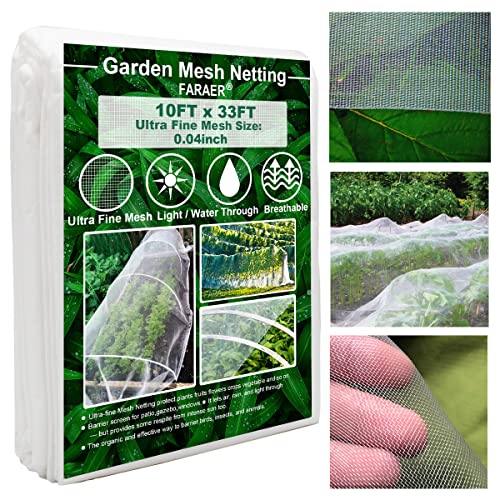
Best for: Large raised beds and row covers that require a balance of protection and water permeability. The 0.8mm x 1mm mesh protects vegetables, fruits, and crops while allowing moisture to pass through.
Why selected: The oblong hole design supports air and light penetration, reducing the need to remove the cover for watering or feeding. It also adapts to various garden layouts, indoors or outdoors.
Caution: If used atop plants with uneven canopies, ensure the netting remains taut to prevent sagging that could trap moisture or pests at edges.
Jevrench Ultra Fine Garden Netting

Best for: Gardeners needing a reusable, durable barrier for vegetables, fruits, and flowers with a 4′ x 25′ footprint. The thicker PE material supports longer outdoor life and resilience against sunlight.
Why selected: The combination of long length, strong mesh, and reuse potential makes this option favorable for gardeners with multiple rows or seasons. It can also improve yields by reducing pest pressure without chemical controls.
Caution: Plan for edge securing during windy conditions; loose edges can lift and jeopardize the protective effect.
Buying Guide: Key Purchase Considerations
- Protection goals: Identify whether you need pest exclusion, weed suppression, or soil containment. Some options excel at multiple tasks, while others focus on a single function.
- Mesh size and coverage: Ultra-fine meshes offer better pest exclusion but may reduce airflow if not balanced with ventilation. Larger beds benefit from longer rolls or wider sheets to minimize seams.
- Material and durability: UV-stabilized PE and HDPE are common for outdoor use; non-woven fabrics provide soil containment but may wear differently under heavy moisture.
- Drainage and irrigation: Choose liners and nets that allow water and nutrients to reach the soil while blocking weeds or pests. Avoid materials that trap water in dense areas.
- Ease of installation: Some products are easily cut to size and stapled, while others require careful measurement and edge securing to stay in place in wind or sun.
- Reusability: Durable, reusable netting and liners reduce long-term costs. Check for edge reinforcement and material thickness when assessing longevity.
FAQ
- What is the best mesh size for raised-bed pest protection?
Ultra-fine mesh (approximately 0.8 mm x 1 mm) blocks many pests while allowing light and airflow, but ensure proper coverage to prevent gaps. - Can these nets be used indoors as well as outdoors?
Yes, several options are described as all-purpose and can be used indoors on windows or seed trays. - Do raised bed liners affect drainage?
Quality liners are designed to balance containment with drainage; choose breathable fabrics to prevent root rot while keeping soil in place. - Will weed barrier fabrics hinder plant growth?
Weed barriers that are porous enough allow water and nutrients to pass, supporting healthy plant growth while suppressing weeds. - How do I install these covers on uneven beds?
Plan for edge securing with staples or ties and trim materials to fit irregular shapes; tighter edges improve efficacy during wind. - Are these products suitable for long-term garden use?
Durable, UV-resistant materials and reinforced edges extend lifespan for multiple seasons when properly installed and maintained.