Best Garden Soil for in-Ground Use: Top Mixes for Healthy Growth
Choosing the right soil for in-ground gardening matters. The following selections emphasize nutrient content, moisture retention, and compatibility with native soil. Each option is suitable for planting and transplanting in the ground, delivering steady nutrient release and improved structure. This guide highlights five products with diverse formulations to fit various garden needs and climates across America.
Product Comparison Snapshot
| Product | Brand | Key Benefit |
|---|---|---|
| Espoma Organic Vegetable & Flower Garden Soil (Two Pack) | Espoma | Organic, earthworm castings enriched, ready for in-ground planting |
| Espoma Organic Vegetable & Flower Garden Soil (1 Cu Ft) | Espoma | Natural and organic blend with earthworm castings; improves native soil |
| Miracle-Gro Expand ‘n Gro Concentrated Planting Mix (.33 cu ft) | Miracle-Gro | Expands with water; long-lasting feeding, good for ground and containers |
| Miracle-Gro Expand ‘n Gro Concentrated Planting Mix (.67 cu ft) | Miracle-Gro | Higher volume expansion; extended nutrient release for in-ground use |
| Michigan Peat Garden Magic Top Soil Blend (40 Lbs) | Garden Magic | Ready-to-use blend with moisture retention and good drainage |
The following sections provide detailed, objective overviews of each option, including suitability for in-ground planting, nutrient delivery, moisture management, and practicality for different garden setups.
Espoma Organic Vegetable & Flower Garden Soil (Two Pack)

Espoma’s organic garden soil is designed to enhance native soil when planting or transplanting. The blend emphasizes earthworm castings, delivering natural nutrients and a soil structure that fosters root growth in the ground. Its organic profile aligns with sustainable gardening practices and may support beneficial soil biology, contributing to long-term soil health in in-ground beds and borders.
Espoma Organic Vegetable & Flower Garden Soil (1 Cu Ft)
This single-bag version provides a rich blend of natural and organic ingredients, enriched with earthworm castings. It’s designed to improve native soil by enhancing microbial activity and nutrient availability, making it suitable for beds and borders where in-ground planting is common. The product supports long-term soil vitality and can be a good base soil mix for organic garden beds.
Miracle-Gro Expand ‘n Gro (.33 cu ft)

Miracle-Gro Expand ‘n Gro is a concentrated planting mix that expands up to 3X when hydrated. It feeds plants for up to six months and is suitable for in-ground and container planting. Its fibers can help retain moisture, releasing it as plants demand it, which supports consistent moisture levels in garden beds and raised beds alike. This option can be especially useful in areas with dry spells or lighter native soils needing structure.
Miracle-Gro Expand ‘n Gro (.67 cu ft)
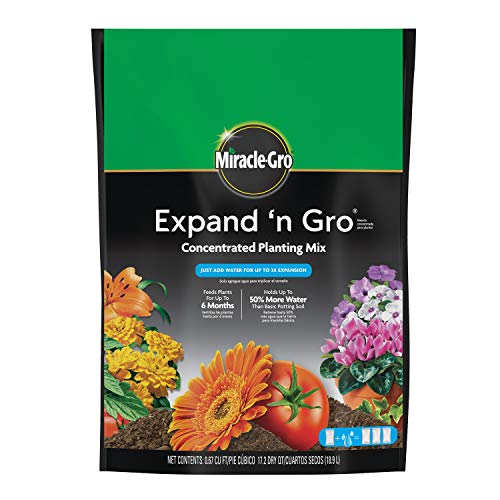
This larger expansion version provides similar moisture-retention and extended feeding characteristics, making it well-suited for larger in-ground garden plots, perennial beds, or vegetable plots. The 3X expansion feature reduces the need for frequent soil amendments, offering a convenient option for homeowners balancing lawn and garden maintenance. It’s compatible with native soils when used as a soil amendment with water.
Michigan Peat Garden Magic Top Soil Blend (40 Lbs)

Garden Magic’s top soil blend provides an odor-free, ready-to-use mix designed for both indoor and outdoor garden projects. Its formulation emphasizes moisture retention and drainage balance, supporting healthy growth in in-ground beds, borders, and landscape plantings. The blend includes natural components to improve soil structure and provide essential nutrients, aiding plants from seedling stages onward in the ground.
Buying Guide: Key Considerations For In-Ground Soil Substitutes
When choosing soil or soil alternatives for in-ground use, consider these factors to match soil type, climate, and plant needs:
- Nutrient profile and longevity: Look for blends with a balanced mix of nitrogen, phosphorus, potassium, and micronutrients. Organic amendments often provide slower release, supporting steady growth through the season.
- Soil structure and texture: A good in-ground mix should improve soil structure, promote aeration, and enhance drainage in heavier soils. For sandy soils, blends with organic matter help retain moisture; for clay soils, structure-improving components aid drainage.
- Moisture retention vs drainage: Depending on climate, you may prioritize moisture-holding fibers (coconut coir, peat) or drainage-friendly ingredients (perlite, sand). In-ground beds often benefit from balanced moisture management.
- pH compatibility: Some blends cater to specific pH ranges. For organic vegetable gardens, neutral to slightly acidic pH often supports a broad range of vegetables and flowers.
- Organic vs synthetic: Organic soils improve long-term soil biology and structure, while synthetic or concentrated mixes may offer rapid results. In-ground use often benefits from organic options to sustain soil health.
- Root development and transplant readiness: For new plantings or transplants, choose mixes that promote robust root growth and minimize transplant shock.
- Care with expansion-based mixes: Expanding blends can reduce bulk handling but require proper hydration to achieve intended volume. Follow manufacturer instructions for water addition and mixing.
- Environmental and labeling considerations: If you garden for health or sustainability, verify OMRI listings or certifications that support organic gardening standards in your region.
Additional Considerations And Use Cases
In-ground soil mixes are often chosen to improve existing garden beds, vegetable plots, and flower borders. Organic blends, enriched with earthworm castings and natural fibers, typically support beneficial soil microbiology and soil structure over time. For large yard projects, larger-volume mixes or concentrates that expand when hydrated can simplify soil preparation. Always test a small bed first to observe moisture behavior, fertility, and plant response before widespread use.
Buying Guide: How To Choose The Right Soil For Your In-Ground Garden
To select the best option for your yard, align the product with your garden goals:
- Identify soil type: If your native soil is dense clay, prefer blends that improve drainage and aeration. If your soil is sandy, choose mixes with organic matter to boost water retention.
- Assess plant needs: Vegetables often benefit from nutrient-rich mixes; perennials may require longer-lasting formulas with steady nutrient release.
- Consider climate: In hot, dry regions, moisture-retaining blends help reduce irrigation needs. In humid areas, ensure good drainage to prevent root rot.
- Plan for transplanting: For beds that will receive transplants, use a soil that promotes root establishment and reduces transplant shock.
- Maintenance expectations: Organic blends may require slower nutrient release but deliver long-term soil health; synthetic or concentrated mixes can offer fast results with careful monitoring of soil fertility.
Each product above targets different in-ground scenarios, from organic amendments to moisture-retentive mixes and expandable planting substrates. Consider testing the soil in your beds and selecting a blend that complements your existing soil while meeting your crop or ornamental goals.