Best Garden Soil for Raised Beds: Top Mixes for Rich, Healthy Beds
For raised-bed gardening, choosing the right soil mix is essential to supporting robust root growth, efficient drainage, and steady nutrient delivery. This article highlights five top-rated raised-bed soil blends, summarizing their key strengths to help you compare options. Each product is designed to improve structure, moisture retention, and fertility, making it easier to grow vegetables, herbs, and ornamentals with consistent results in a variety of climates.
Summary of Chosen Products
| Product | Brand | Key Benefit |
|---|---|---|
| Espoma Organic Raised Bed Mix | Espoma | Organic blend enriched with mycorrhizae and worm castings for vegetables and herbs |
| FoxFarm Raised Bed Planting Mix | FoxFarm | Ready-to-use mix designed for raised beds with earthworm castings |
| Miracle-Gro Organic Raised Bed & Garden Soil | Miracle-Gro | Peat-free blend with quick-release natural fertilizer |
| Wakefield Biochar Blend | Wakefield Biochar | CarbonBoost technology with biochar for improved moisture and nutrients |
| Soil Seed & Water Dan’s Gold Organic Dairy Compost | SOIL SEED & WATER | Rich organic matter to boost soil health and water retention |
Espoma Organic Raised Bed Mix

Espoma’s raised bed mix provides a rich blend of natural ingredients designed for vegetables and herbs in raised garden beds. The formula features earthworm castings, alfalfa meal, kelp meal, and feather meal, along with MYCO-TONE mycorrhizae to enhance root development and nutrient uptake. The mix is ideal for organic gardening and outdoor containers, offering a balanced medium that improves soil texture and microbial activity.
FoxFarm Raised Bed Planting Mix

This ready-to-use formula eliminates extra steps. It is designed for raised beds and containers, with moisture-retaining properties to help maintain consistent hydration. The blend supports vegetables, herbs, fruits, and flowers, providing a balanced mix that promotes steady growth and ease of use for gardeners of all experience levels.
Miracle-Gro Organic Raised Bed & Garden Soil
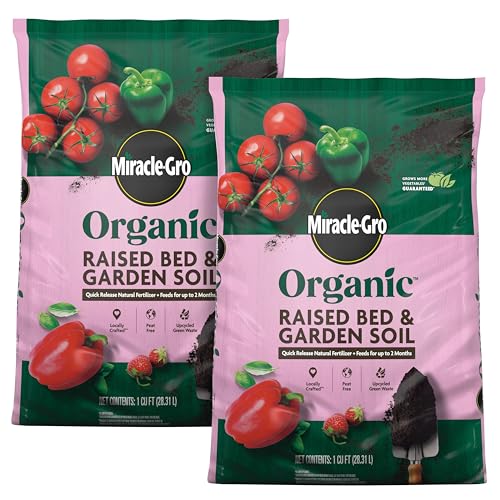
Miracle-Gro’s organic raised bed soil combines a peat-free formulation with a quick-release natural fertilizer. It feeds plants for up to two months and is created from upcycled green waste. This blend supports sustained growth and soil health in raised beds and garden areas, aligning with sustainable gardening practices.
Wakefield Biochar Blend

Wakefield Biochar Blend uses CarbonBoost technology and premium biochar to optimize aeration, compaction, and microbial activity. It aims to improve root development and nutrient uptake while reducing watering needs by enhancing moisture retention. Suitable for raised beds, containers, and general garden use, it supports a thriving soil ecosystem.
Soil Seed & Water Dan’s Gold Organic Dairy Compost

Dan’s Gold Organic Dairy Compost enriches soil with essential nutrients and improves structure, organic matter content, and water retention. This OMRI-listed product is positioned for garden beds, raised beds, and general soil enrichment, making it a solid option for enhancing long-term soil health in outdoor spaces.
Buying Guide
- Soil composition: Look for blends with organic matter, composted materials, and beneficial microbes. A mix that includes mycorrhizae or earthworm castings can improve nutrient uptake and root growth.
- Moisture management: Raised beds require a balance between drainage and water retention. Soil with biochar, perlite, or pumice can help maintain consistent moisture without oversaturation.
- Organic certification: For organic gardening, prioritize peat-free and OMRI-listed products, and confirm that inputs meet organic standards.
- Nutrient release profile: Some blends include quick-release fertilizers; others rely on slow-release or compost-derived nutrients. Choose based on your planting schedule and crop needs.
- Compatibility with crops: Gardens growing vegetables, herbs, or flowers may benefit from all-purpose blends. For specialized crops, consider blends tailored to vegetable beds or flowering beds.
- Environmental impact: Peat-free formulations and recycled or upcycled components support sustainable gardening practices. Consider products that reduce environmental footprint without compromising performance.
- Application guidelines: Review recommended rates and frequency. Some products are designed as one-step mixes, while others require periodic top-ups during the growing season.
- Local climate considerations: In hot, dry climates, blends with moisture retention features may reduce irrigation needs. In cool, wet regions, good drainage is essential to prevent root rot.
Selecting the right raised-bed soil mix involves balancing texture, nutrients, and water management to match your garden’s crops and climate. The blends showcased offer a range of organic and performance-oriented options that can help you achieve healthier roots, better yields, and easier maintenance in raised-bed gardens.