Best Garden Sun Shade Fabric Options for Plants and Greenhouses
When choosing garden sun shade fabric, look for materials that balance light, airflow, and durability. This guide highlights five top options suited for vegetable beds, flowering plants, greenhouses, and outdoor patios. Each product is evaluated for who it’s best for, plus practical limitations to consider before buying.
Summary table of selected products:
- 55% Shade Cloth for Garden, 6.5×10 ft — Best for mid-season shade and heat relief for raised beds
- Winemana 50% Shade Cloth — Best for spring seedlings and multi-season use
- QLOFEI Shade Cloth, 40-50% — Best for versatile outdoor coverage
- Tilvex 40% Shade Cloth — Best for balanced light and airflow in gardens
- Cool Area 55% Shade Cloth, 6.5×10 ft — Best for UV blocking with easy setup
55% Shade Cloth for Garden, 6.5×10 ft — Sunblock Mesh UV Resistant Net
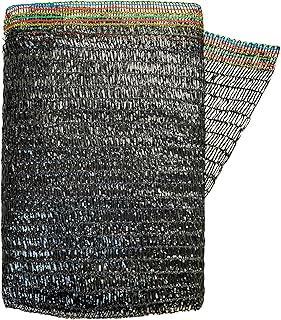
This shade cloth offers 55% light reduction, suitable for gardeners who want to soften strong sun while preserving adequate sunlight. Best for raised beds and greenhouse tables where temperature and water needs are a concern. The material is HDPE with a knitted design to resist tears and maintain durability through seasons.
Who it’s for: gardeners needing reliable UV protection for vegetable and flower beds without over-shading. Limitations: may still require tie-downs or frames for windy sites.
Winemana 50% Shade Cloth for Garden

This 50% shade cloth is designed for spring protection and seedling establishment. It’s breathable and UV-stable HDPE, with reinforced edges and grommets for easy setup. It works well for new plantings, cool-season crops, and outdoor patios needing moderate shade.
Who it’s for: gardeners starting seedlings or growing cool-season crops. Limitations: shade rate is fixed; adjust using placement rather than seeking more coverage.
Shade Cloth for Garden Plants Greenhouse, 40-50%

This option covers a 40-50% light reduction range, suitable for gardens that need a steady balance of shade and sun. The high-density polyethylene fiber enables airflow and moisture passage, which helps prevent overheating in sunny days while maintaining plant access to essential light.
Who it’s for: growers seeking flexible shading with airflow. Limitations: may be less effective in extreme heat without additional cooling measures.
Tilvex 40% Garden Shade Cloth

Tilvex emphasizes a 40% shading rate with reinforced edges and tear resistance. It’s designed for multi-season outdoor use and offers grommets along reinforced edges for straightforward installation. It suits greenhouses, patios, and large garden beds needing steady shade without overly dimming plants.
Who it’s for: those who want durable shade with simple mounting. Limitations: shade level may require pairing with additional shade during peak heat.
Cool Area Sun Shade Cloth with Grommets — 55%
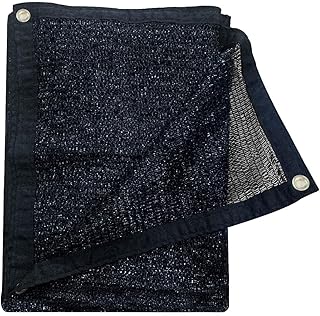
This fabric provides a 55% shading rate with a focus on heat and UV reduction. It’s designed for easy installation via grommets and general garden use. The material is described as tear-resistant and suitable for greenhouses, flowers, and vegetable beds.
Who it’s for: gardeners needing strong sun reduction with straightforward hanging. Limitations: higher shading can dim light levels for light-loving crops.
Buying Guide
What shading rate do you need? Start with 40-50% for general plants and adjust up to 55% for hot sun or delicate crops. Consider the climate: high-wind areas benefit from reinforced edges and grommets. What installation method suits you best—frames, fences, or zip ties? Look for breathable, open-mesh HDPE fabrics that allow airflow and moisture passage to prevent heat buildup.
How durable should the cloth be? Choose UV-stabilized materials designed for multi-season use and tear resistance. If you’re using a greenhouse, ensure the shade fabric doesn’t block necessary light for photosynthesis; aim for fabrics that maintain essential light wavelengths.
Maintenance matters: check for easy cleanup and long service life. Some fabrics advertise lock-stitch knitting to prevent unraveling, which helps longevity in windy or stretchered setups. For mobility, select fabrics with lightweight construction and simple mounting hardware like grommets and tie points.
FAQ
- What shade level is best for seedlings? Answer: About 40-50% shade is often ideal for seedlings to reduce shock while preserving enough light for growth.
- Do shade fabrics affect watering needs? Answer: They can reduce evapotranspiration, potentially lowering watering frequency in hot weather.
- Are grommets essential? Answer: Grommets simplify installation and improve stability, especially in windy locations.
- Can shade cloth be used indoors? Answer: Yes, it can help manage light in greenhouses or indoor growing spaces, but ensure adequate light for all plants.
- How long does shade fabric last? Answer: Durability depends on material quality, exposure, and maintenance; UV-stabilized HDPE fabrics are designed for extended outdoor use.
- Should I remove shade during watering? Answer: Not necessary; many fabrics allow water to pass through while preventing direct sun exposure.