Best Garden Trowel Stainless Steel for Quick, Easy Planting
Today’s top stainless steel garden trowels are designed to handle rocky soil, transplanting, and precision planting. This guide highlights five durable options suited for different gardeners, from casual hobbyists to heavy-duty users working tough ground. Each pick emphasizes rust resistance, comfortable grips, and solid construction to help you choose the right tool for your soil and tasks. The buyer’s intent is clear: find a dependable trowel that lasts, fits your hand, and makes digging and planting easier.
Summary table of selected products:
| Product | Brand | Best For | Key Benefit |
|---|---|---|---|
| Edward Tools Bend-Proof Garden Trowel | Edward Tools | Rocky/heavy soils | One-piece stainless steel, bend-proof, oversized head |
| Fiskars Trowel | Fiskars | General gardening | Cast-aluminum head, ergonomic handle |
| WORKPRO 11″ Garden Hand Trowel | WORKPRO | Outdoor versatility | Rust-resistant stainless steel, wooden handle |
| Garden Guru Heavy Duty Garden Trowel | Garden Guru Lawn & Garden Tools | Professional-grade digging | Polished stainless steel, ergonomic grip |
| Kemaier Heavy Duty Serrated Trowel | Kemaier | Ergonomic precision | Serrated edge, high-hardness stainless steel |
Edward Tools Bend-Proof Garden Trowel
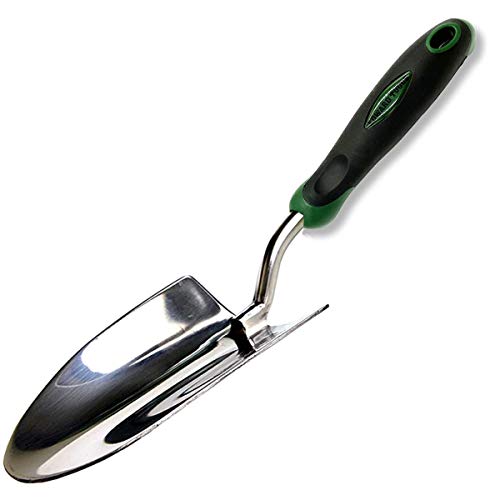
The Edward Tools bend-proof trowel uses a single-piece stainless steel design for maximum rigidity. Best for gardeners dealing with rocky soil or heavy clay, its oversized head moves more soil per scoop, reducing digging time. The tool is suited for frequent, heavy-duty use in hard-ground conditions. Best for: hobbyists or professionals who need a reliable shovel that won’t bend under pressure.
Caution: The weight and size may be less comfortable for very small hands or long sessions of delicate planting. This trowel is optimized for toughness rather than ultra-light handling.
Fiskars Trowel

The Fiskars trowel features a cast-aluminum head with rust resistance and an ergonomic handle for comfortable use during longer sessions. It excels for digging in tougher soil, seedling planting, and general garden maintenance. Best for: gardeners seeking a durable, versatile trowel with a lightweight feel and a reliable grip.
Limitation: Aluminum heads can show wear with frequent hard use; users should inspect the edge for sharpness and re-sharpen as needed.
WORKPRO 11″ Garden Hand Trowel

WORKPRO’s trowel blends rust-resistant stainless steel with a wooden handle for classic grip. It’s designed to handle tough digging, transplanting, and weed removal. Best for: gardeners who want a sturdy tool with a natural wood handle that reduces hand fatigue and supports versatile use.
Limitation: Wood handles require occasional maintenance to prolong life outdoors; avoid leaving the trowel in direct wet heat to prevent splitting.
Garden Guru Heavy Duty Garden Trowel

The Garden Guru trowel emphasizes a broad, concave blade crafted from polished stainless steel for efficient scooping. It pairs with an ergonomic handle to reduce hand strain during long planting sessions. Best for: gardeners who need a dependable, professional-grade trowel for frequent soil work and soil mixing.
Caution: The larger head may be less maneuverable in tight spaces or small containers.
Kemaier Heavy-Duty Serrated Trowel

This Kemaier model adds a 3-inch left-side sawtooth edge to assist cutting small roots and weed roots, plus a V-shaped blade for deep penetration. The stainless steel is hardened to resist bending and provide solid longevity. Best for: gardeners who need a serrated edge for light root work and precise planting.
Limitation: Serrated edges add complexity if you prefer a smooth blade for delicate transplanting; consider this only if root cutting is a priority.
Buying Guide
What material matters most?
Stainless steel resists rust and maintains edge longer than plain steel. Look for full-tang construction and a single-piece head for maximum strength in rocky or clay soils.
How does handle design affect use?
Ergonomic, non-slip handles reduce fatigue. Wooden handles offer classic comfort, while rubberized grips improve moisture control. Choose based on feel and hand size.
What size should you pick?
Oversized heads move more soil per scoop, but can be less maneuverable in tight beds. Standard or mid-sized blades provide balance between control and efficiency.
When is a serrated edge helpful?
A serrated edge helps cut through roots and compact weed material. It adds weight to the tool, so ensure it aligns with your typical tasks and hand comfort.
How to maintain your trowel?
Rinse after use, dry thoroughly, and store in a dry place. Light oiling can prevent rust, especially on the blade and any moving parts. Sharpen or replace a worn edge as needed.
Matching to soil and tasks
For rocky or heavy clay soils, a bend-proof or wide-blade design helps. For light, frequent planting, a lighter aluminum-head trowel can be more comfortable and sufficient.
Which one to choose?
Best overall for heavy duty workloads: Edward Tools Bend-Proof Garden Trowel. Best all-around reliability: Fiskars Trowel. Best value with wood handle: WORKPRO 11″ Garden Hand Trowel. Best professional-grade scoop: Garden Guru Heavy Duty Garden Trowel. Best for root cutting and precision: Kemaier Serrated Trowel.
Quick reference: product comparison
- Edward Tools: Bend-proof, oversized head, ideal for rocky soils.
- Fiskars: Cast-aluminum head, ergonomic grip, versatile tasks.
- WORKPRO: Stainless steel, wooden handle, balanced for comfort.
- Garden Guru: Polished steel, wide scoop, professional feel.
- Kemaier Serrated: Serrated edge, high-hardness steel, root cutting aid.
FAQ
- Q: Which trowel is best for clay soil?
- A: A bend-proof or wide-blade stainless steel trowel with a strong design is preferred for clay soils to move more soil with less effort.
- Q: Are wooden-handled trowels durable outdoors?
- A: Yes, if properly maintained; keep dry and occasional oiling helps prevent cracking.
- Q: Should I prefer a serrated edge?
- A: Serrated edges aid root cutting and weed removal but are less ideal for delicate transplanting tasks.
- Q: How important is weight?
- A: Lighter trowels reduce fatigue; heavier ones offer more force for tough soil. Balance with hand size and duration of use.
- Q: How to sharpen a trowel blade?
- A: Use a fine file or sharpening stone to maintain a sharp edge; wipe clean and oil after sharpening.