Best Gerbera Daisy Flower Seeds for Colorful Gardens and Containers
Answering the common buyer question, these gerbera daisy seed packs are suited to home gardens, containers, borders, and cut-flower projects. If you want bright, long-lasting blooms with relatively low maintenance, start with a compact, easy-to-grow choice and consider a mix for varied color. The top picks below are organized for different gardening goals—compact borders, container color, or cutting gardens—so you can choose the best fit for your space and climate.
| Product | Best For | Why It Stands Out |
|---|---|---|
| CarpetC 300+ Gerbera Daisy Seeds | Small spaces, borders, and containers | Compact plants with 3-4″ blooms and neat clumps. |
| Gerbera Daisy Seeds for Planting – 300+ Mixed | Colorful, mixed-garden beds | Vibrant mix for beds and borders; quick germination. |
| Gerbera Daisy Seeds, 500 Pieces | Large displays and cutting gardens | High seed count for bold garden walls and arrangements. |
| Outsidepride Hybrids Mix Gerbera Seeds | Mixed color beds and containers | Vibrant mixed blooms; compact habit for small spaces. |
| 300 Gerbera Daisy Seeds, Mixed Color | All-around color pops | Large color range; good for diverse plantings. |
Notes: Germination and growth depend on soil, sun, and climate. The selections below emphasize clarity, practical use, and clear conditions to help you compare at a glance.
CarpetC 300+ Gerbera Daisy Seeds for Planting

Brand: Carpet Creeping
Features: Large Blooms on Compact Plants; Blooms spring through summer; Excellent cut flower choice; flowers reach 3-4 inches across on 8-12 inch tall plants; dark green foliage forms tidy clumps for borders and pots. Sturdy stems support blooms and floral arrangements, with blooms lasting up to two weeks in a vase.
Best for: Gardeners seeking a compact, repeat-blooming gerbera that stays neat in borders, containers, or cut-flower plots. This seed mix is ideal for small spaces where a tidy appearance matters and where you want dependable vase-worthy blooms.
Limitation: Best in zones 8-11 as a perennial; elsewhere, it is often grown as an annual.
Gerbera Daisy Seeds for Planting – 300+ Mixed

Brand: Wivolibe
Features: Beautiful garden color mix; germination in 7-28 days at 60-75°F; plant 1/16 inch deep, 12 inches apart; grows in sunny areas with regular watering and occasional fertilization.
Best for: Gardeners who want a quick-start mixed bed experience with a variety of flower colors to fill borders, pots, or outdoor containers.
Limitation: Germination pace is temperature-dependent; success improves with consistent warmth and moisture.
Gerbera Daisy Seeds, 500 Pieces

Brand: BuggyBeds
Features: 500 premium Gerbera Daisy seeds for vibrant displays; perennial flowering plant with large blooms on hairy stems and leaves; versatile for beds, containers, borders, and cutting gardens.
Best for: Gardeners planning larger color blocks or cutting gardens who want a high seed count for quicker, repeated color.
Limitation: Perennial behavior may vary by climate; in cooler zones, treat as an annual or provide winter protection.
Outsidepride Hybrids Mix Gerbera Seeds

Brand: Outsidepride
Features: Vibrant mixed blooms; compact 10–14 inch plants with 3.5–4 inch blooms; thrives in zones 8-11; long bloom season from late spring to late summer; quick growth after sowing.
Best for: Gardeners who want a ready-to-go mixed cultivar with strong color impact in small spaces or containers.
Limitation: Best performed in warmer climates; may require protection in cooler regions.
300 Gerbera Daisy Seeds, Mixed Color
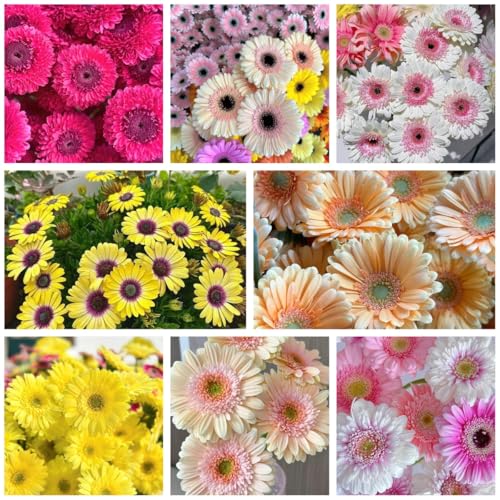
Brand: BuggyBeds
Features: Vibrant mixed blooms in red, yellow, pink, orange, and white; compact 10-14 inch plants with 3.5-4 inch blooms; extended bloom season from late spring to early fall; best in full sun with well-drained soil.
Best for: Gardeners who want a bold, multi-color display in beds or containers with uniform plant height.
Limitation: Requires full sun and well-drained soil for best performance.
Buying Guide
What should you consider before buying gerbera daisy seeds?
Where will you plant?
Choose a site with full sun (at least 6 hours) and well-drained soil. Containers should have drainage holes and a lightweight potting mix. If you have cooler winters, select varieties listed as perennial in your zone only, or plan to treat them as annuals.
How much space do you have?
Compact varieties (3-4 inch blooms on 8-14 inch plants) fit borders and containers nicely. If you want large, dramatic color blocks, higher seed counts help create broader displays.
What color scheme are you after?
Mix packs provide a rainbow effect, while single- or limited-color packs suit theme gardens or formal beds. Color variety can help with vase arrangements as well.
How important is bloom duration?
Gerberas typically bloom from late spring through summer and can continue in favorable conditions. Regular deadheading can extend the flowering period and encourage new blooms.
What is your climate?
Many gerbera seeds perform best in zones 8-11. In cooler climates, plan for annual cycles or provide winter protection and indoor starting earlier in the season.
Care and maintenance essentials
- Water consistently but avoid soggy soil; gerberas prefer moist but well-drained conditions.
- Fertilize lightly during active growth with a balanced, water-soluble fertilizer.
- Mulch to conserve moisture and suppress weeds in garden beds.
- Deadhead spent blooms to encourage continuous flowering.
Seed vs. plant considerations
Seeds offer abundant color variety and cost savings for large displays, but germination takes time. For faster results, consider transplanting established seedlings from nursery sources in combination with seed-grown plants.
FAQs
- Are gerbera seeds easy to grow? They germinate best in warm, sunny conditions and well-drained soil; some varieties germinate within 7-28 days.
- Can gerberas be grown in containers? Yes, many compact mixes thrive in pots with adequate drainage and regular watering.
- Do gerberas come back each year? In warm climates they behave as perennials; in cooler regions they are often grown as annuals.
- What colors can I expect? Seed mixes commonly include red, yellow, pink, orange, and white varieties.
- How can I maximize vase life? Use clean pruning shears, recut stems at an angle, and replace the water regularly.
- Should I deadhead. Deadheading helps encourage more blooms and can extend the flowering period.