Best Goji Berry Seeds for Planting in Your Garden
Overview: Goji berries, also known as wolfberries, are prized for their antioxidant-rich profile and bright, flavorful fruit. This guide highlights five reliable goji options that suit a range of climates and garden setups, providing you with fast-growing options, easy-care varieties, and starter plants to jump-start your goji harvest. Each product section includes a brief snapshot of what to expect, so you can compare at a glance and choose the best fit for your space and soil.
| Product | What It Delivers |
|---|---|
| Earthcare Seeds Tibetan Goji Berry 100 Seeds | Open-pollinated, long-lived shrub, drought-tolerant once established, fruiting in year two |
| TomorrowSeeds Goji Berry Tree Seeds – 200+ Count | Nutritious berries, adaptable to climates and soils, vibrant orange-red fruit |
| TomorrowSeeds Goji Berry Tree Seeds – 600+ Count | Similar adaptable perennial option with large seed count for potential larger plantings |
| Hello Organics Goji Plants (4 Plants) | Starter plants, container and garden-friendly, fruiting in warm conditions |
| YOKEBOM Goji Berry Plants (2 Plants) | Live plants, compact packaging, suitable for hedges or small gardens |
Earthcare Seeds Tibetan Goji Berry
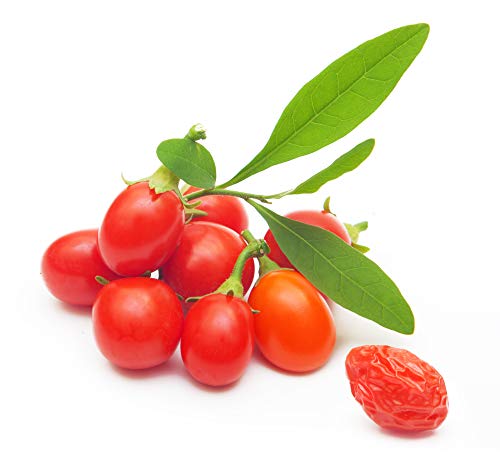
Earthcare Seeds offers Lycium chinense heirloom seeds in a packet of 100, emphasizing open pollination and non-GMO integrity. The Tibetan variety is described as a long-lived shrub that becomes a prolific producer of nutritious berries. It tolerates a range of soils with good drainage and shows drought resilience once established. A notable benefit is fruiting in the second year from seed, making it a practical option for gardeners seeking a multi-year harvest without waiting excessively long from planting to fruit.
TomorrowSeeds Goji Berry Tree Seeds – 200+ Count
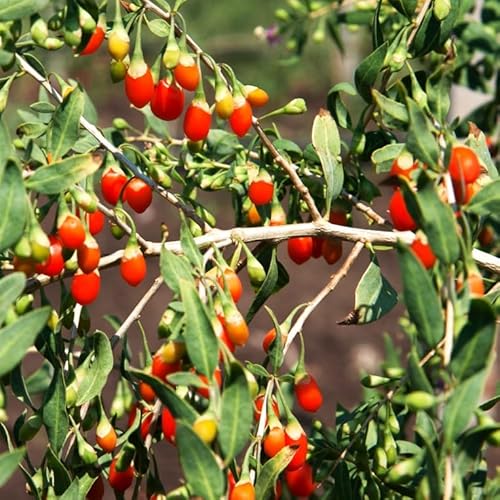
TomorrowSeeds presents a bulk option with over 200 goji berry seeds. Marketed as Lycium chinense, these seeds target health-minded gardeners seeking nutrient-rich berries. Their descriptions emphasize adaptability to multiple climates and soils, along with visually appealing orange-red berries that can brighten garden beds or edible landscapes. As with seed-only offerings, success depends on proper pre-sowing preparation and eventual transplanting into well-drained, sun-filled locations.
TomorrowSeeds Goji Berry Tree Seeds – 600+ Count
This bulk listing mirrors the 200+ option with a larger seed pool, appealing to growers planning a broader planting or multiple garden zones. Like other TomorrowSeeds offerings, it highlights adaptability and the appeal of vibrant, nutrient-packed fruit. Gardeners should pair these seeds with well-draining soil and a sunny site to maximize fruiting potential across seasons.
Hello Organics Goji/Wolfberry Berry Plants

Hello Organics provides a set of four goji plants, shipped in 2-inch rooted trays and measuring 4-6 inches tall. The listing notes that goji berries are high in antioxidants and suitable for sun-rich gardens. They describe the general growing conditions—full sun preferred, but some shade is tolerable—and recommend plant-to-pot transfer into organic potting soil for best establishment and fruiting potential as temperatures rise above 80 degrees Fahrenheit.
YOKEBOM Goji Berry Plants Live

YOKEBOM offers live goji berry plants, arriving at 5-9 inches tall. The plants are described as hardy and drought-tolerant, suitable for growing in gardens, containers, or as hedges. They emphasize the berries’ bright red color and the potential for fruit production once established in a sunny location with well-drained soil. These starter plants are a quick route to a fruit-bearing goji addition in the landscape.
Ella’s Homes Goji Berry Live Plant

Ella’s Homes provides a live goji berry plant in the 4-10 inch range, advertised for planting without a pot. The listing notes planting in zones 5-9, with recommendations for full sun and consistently moist soil. Location choice and moisture management are highlighted as critical factors for successful establishment and subsequent berry production in warm, sunny environments.
Perfect Plants Goji Berry Bush

Perfect Plants markets a goji berry bush in a 1-gallon pot, described as a high-yield producer with berries suitable for fresh eating, drying, smoothies, or baking. The plant is touted as hardy in zones 4-9 and capable of producing from mid-summer through fall with regular pruning. It also notes the potential for ornamental use, given the plant’s colorful flowers and robust mature size, making it a versatile addition to edible landscapes.
Buying Guide: Key Purchase Considerations
- Plant type: Seed packets versus live plants. Seeds offer cheaper, scalable options and genetic diversity; live plants provide faster fruiting and guaranteed establishment.
- Climate compatibility: Goji thrives in warm, sunny sites. Verify zone recommendations and frost tolerance to ensure year-round viability in your region.
- Soil and drainage: Well-drained soil is essential to prevent root rot. Consider amended soil or raised beds in heavy clay or poorly draining areas.
- Sun exposure: Most goji varieties prefer full sun. Some shade tolerance exists, but fruiting tends to be higher in full sunlight.
- Watering regime: Young plants require consistent moisture without waterlogging. Drought-tolerant varieties often establish deep roots over time.
- Planting density and spacing: If growing as a hedge or a small orchard, plan spacing to accommodate mature size and airflow to reduce disease.
- Maintenance: Pruning can influence yield and plant shape. Regular pruning helps maintain manageable size and promotes bushier growth.
- Fruit use and harvest timing: Fresh berries offer different flavors than dried berries. Consider your intended use to select a variety with appropriate fruiting patterns.
- Genetics and pollination: Open-pollinated or non-GMO seeds tend to preserve plant diversity. For compact garden spaces, starter plants can deliver fruit sooner, often with consistent vigor.
- Budget and scale: Seed packages suit beginners and large-scale plots; live plants are convenient for rapid establishment but may cost more upfront.
Across these options, gardeners should weigh desire for speed (live plants) versus long-term sustainability and expansion (seeds). Selecting a mix of seed and plant stock can balance initial harvest potential with ongoing, scalable growth for a home orchard or certified edible landscape.