Best Grapes for Zone 6: Five Vines and Seeds to Compare
For Zone 6, start with a grape listing that explicitly covers your growing zone: the red live vine labeled for Zones 5–9 is the clearest zone match here, while the red grape seeds are listed for Zones 6–9. Concord is a classic option for juice and jelly, and Canadice is identified as seedless. The best choice depends on your intended use, whether you want a live vine or seeds, and whether the seller confirms the plant’s hardiness for your area.
| Product | Best suited for | Zone information provided |
|---|---|---|
| Concord grape vine | Juice, jelly, and wine | Not stated |
| Red grape live plant, 2-year-old | Buyers seeking a more established vine | Zones 5–9 |
| Red grape seeds | Gardeners interested in starting from seed | Zones 6–9 |
| Red grape bare-root vine | Growing on a trellis or arbor | Not stated |
| Canadice seedless grape vine | Seedless red grapes | Not stated |
Concord Grape Vine For Juice And Jelly

This one-year-old bare-root Concord vine is described as a classic grape variety for juice, jelly, and wine. The listing also says support is included. Concord is a useful choice for Zone 6 gardeners whose priority is processing grapes rather than specifically growing seedless fruit for fresh snacks.
Best for: Buyers who want a named variety associated with juice and jelly and prefer a live vine over seeds. It was selected because its stated end uses make it easy to compare with the fresh-eating and seedless options below.
Consider: The provided product information does not specify a USDA hardiness zone. Confirm the vine is suitable for your location before ordering; Zone 6 alone does not establish that this particular listing is a match.
Two-Year-Old Red Grape Vine

This listing describes a two-year-old, well-rooted, self-fruitful red grape vine for Zones 5–9, which includes Zone 6. It calls for full sun, moderate watering, and well-drained soil. Those details make it the clearest option in this group for a buyer who wants an explicitly zone-labeled live plant.
Best for: Gardeners seeking a red grape vine with a stated Zone 6 range and care requirements. The two-year-old description may appeal to buyers who would rather start with a live plant than germinate seeds.
Consider: The listing does not identify a specific grape cultivar or describe the fruit as seedless. Buyers who need a particular variety or fruit trait should verify those details before choosing.
Red Grape Seeds For Zone 6 Gardens
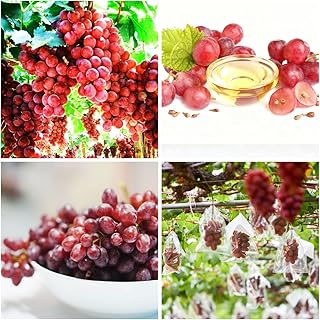
Mixrug Store lists more than 50 red grape seeds and describes the grapes as sweet, thin-skinned, and seedless. The product information gives a USDA growing range of Zones 6–9 and mentions trellises, arbors, and container growing. It is the only seed option among these picks with a stated range beginning in Zone 6.
Best for: Gardeners who want to start plants from seed and are comfortable with a longer growing process than buying a live vine. The listed quantity may suit someone interested in trying to establish multiple plants.
Consider: A seed packet is not a ready-to-plant vine. Also, grapes grown from seed may not reliably reproduce the advertised parent fruit characteristics, so buyers seeking predictable seedless fruit may prefer a named live plant and should confirm its cultivar.
Red Bare-Root Grape Vine For Trellises

This listing describes a one- to two-year-old bare-root red grape vine for a backyard orchard or home garden. It mentions trellis or arbor support, a well-rooted vine, climbing growth, and full-sun conditions. The product name also describes it as cold hardy, but does not give a specific USDA zone range.
Best for: Buyers who want a live red grape vine for a trellis or arbor and value the listed bare-root format. It offers a straightforward alternative to starting from seed.
Consider: “Cold hardy” does not specify whether the plant is appropriate for a particular Zone 6 location. Ask the seller for the cultivar and zone range if winter suitability is a deciding factor.
Canadice Seedless Grape Vine

Votaniki’s product is identified as a Canadice seedless red grape vine and is described as a perennial plant. The listing also calls it high-yielding, fast-growing, and low-maintenance. These are seller descriptions; the available product details do not provide a USDA zone range or specific growing instructions.
Best for: Buyers who specifically want a named seedless grape and prefer a live vine rather than seeds. Canadice is a clearer match for that preference than products described only as red grape plants.
Consider: The provided information does not confirm Zone 6 hardiness. Verify the seller’s recommended zone and care needs before purchasing for a location with cold winters.
Buying Guide: Choosing Grapes For Zone 6
Does the listing explicitly include Zone 6?
Check the stated USDA range rather than relying only on phrases such as “cold hardy.” In this selection, the two-year-old red live plant is listed for Zones 5–9, and the seed packet is listed for Zones 6–9. The other three products do not provide a specific range in the supplied details. If a listing omits the zone, confirm suitability with the seller before buying.
Should you choose seeds or a live vine?
A live vine is the more direct option for gardeners who want to plant an established grape plant. Seeds may suit patient gardeners who want to start plants themselves, but they require germination and growing time. Seed-grown grapes may also differ from the fruit traits advertised for the parent plant, so seeds are a less certain choice when a particular taste or seedless result matters.
What will you use the grapes for?
Choose Concord if juice, jelly, or wine is your main goal, based on its listed uses. The Canadice listing specifically identifies a seedless red grape, while the red seed product is presented for fresh eating, snacks, desserts, and juice. The other red live-vine listings do not identify a cultivar or clearly state whether the fruit is seedless.
What site and support do grapes need?
Compare the listed care requirements with your garden. The two-year-old red vine calls for full sun, moderate watering, and well-drained soil. The bare-root listings mention trellis or arbor support, while the seed product describes trellis, arbor, and container growing. Check the planting instructions supplied with the specific product, especially if your site has limited sun or drainage.
Frequently Asked Questions
Which listed grape product has the clearest Zone 6 match?
The two-year-old red grape live plant is listed for Zones 5–9, and the red grape seeds are listed for Zones 6–9. Both ranges include Zone 6.
Which option is identified as seedless?
The Votaniki product is identified as a Canadice seedless grape vine. The seed packet also claims seedless fruit, but starting grapes from seed may not reliably preserve parent fruit characteristics.
Which grape is listed for juice and jelly?
The Concord grape vine is described for juice, jelly, and wine.
Do all five products state a hardiness zone?
No. The provided details give explicit zone ranges for the two-year-old red live plant and the red grape seeds. Confirm the zone suitability of the other products before ordering.
What should I confirm before buying a grape vine for Zone 6?
Confirm the plant’s USDA hardiness range, cultivar, and any care or support needs not included in the listing. This is especially important when the product description uses a broad term such as “cold hardy” without naming a zone.