Best Grass Seed for Heavy Shade: Thick Shade-Tolerant Lawn Solutions
Heavy shade can challenge even a healthy lawn. The right seed mix blends shade tolerance with strong establishment, drought resilience, and deep root development. This guide highlights five top options that perform well in limited sunlight, helping you achieve a thicker, greener lawn under trees, near walls, or where buildings shade the turf. Each product links to a trusted Amazon listing for convenient purchasing, with notes on germination, coverage, and maintenance. Use the Buying Guide at the end to compare shade tolerance, seed type, and soil preparation to pick the best fit for your yard.
| Product | Brand | Type / Key Benefit |
|---|---|---|
| Pennington Smart Seed Dense Shade Grass Mix Bag 7 lb | Pennington | Dense shade mix with tall and fine fescue; built-in fertilizer |
| Jonathan Green Black Beauty Dense Shade Seed (10622) | Jonathan Green | Shade-tolerant cool-season mix; dark green lawn; quick germination |
| Jonathan Green 40600 Dense Shade Grass Seed, 3 lb | Jonathan Green | 3 lb bag; covers up to 1,800 sq ft; high-quality seed |
| Scotts EZ Seed Patch & Repair Sun and Shade | Scotts | Seed, mulch, fertilizer bundle for bare spots; works in sun and shade |
| Scotts Turf Builder Dense Shade Mix with Fertilizer and Soil Improver | Scotts | Root-building nutrition; thrives with little sunlight |
Pennington Dense Shade Seed Mix
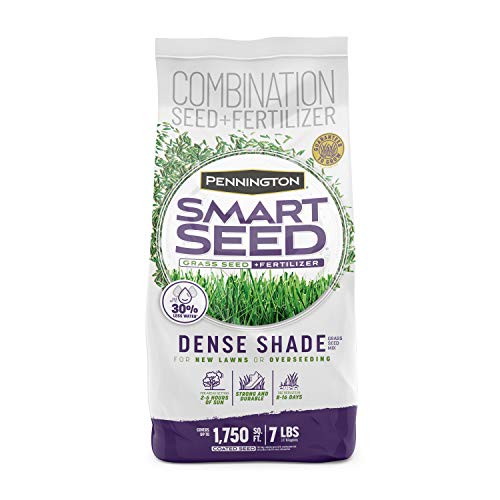
Pennington Smart Seed Dense Shade blends Tall Fescue and Fine Fescue to perform in areas with limited sunlight. The mix is designed to grow thick, green turf in shady spots such as under trees or along foundations. It includes a precise amount of fertilizer to support early establishment and ongoing growth, helping your lawn fill in faster in low-light conditions. This combination aims for a strong, resilient lawn that withstands shade-related stress while delivering a pleasing dark-green color.
- Tall Fescue and Fine Fescue blend optimized for shade
- Built-in fertilizer for early establishment
- Promotes thick, green growth in low-light areas
Jonathan Green Black Beauty Dense Shade Seed

Designed for shade-tolerant lawns, this cool-season seed mix aims to deliver a dark-green, dense turf in areas with limited sunlight. Germination typically occurs within 14 to 21 days, supporting faster establishment. The blend also contains beneficial endophytes that can promote healthy root systems and overall turf vigor, helping your yard look robust even where shade dominates.
- Shade-tolerant cool-season grasses
- Produces a dark green lawn
- Germinates in 14–21 days; contains endophytes
Jonathan Green Dense Shade Seed 3 lb

This 3-pound bag is marketed as a dense shade solution, offering coverage for up to roughly 1,800 square feet. The product emphasizes its suitability for shaded zones where other mixes struggle, delivering a robust seed blend intended to establish a resilient lawn in partial to dense shade environments.
- 3-pound bag; coverage around 1,800 sq ft
- Dense shade adaptation
- Premium seed quality
Scotts EZ Seed Patch & Repair Sun and Shade

Scotts EZ Seed Patch & Repair Sun and Shade combines high-performance grass seed, expanded mulch, a controlled-release fertilizer, a tackifier, and a protective coating. This kit is designed to fill bare spots and repair lawn damage, performing in both sun and shade. It offers a convenient, all-in-one solution for patching spots while helping seedlings establish in challenging light conditions.
- Seed, mulch, fertilizer bundle
- Includes tackifier and protectant
- Works in full sun and dense shade
Scotts Turf Builder Dense Shade Mix

Scotts Turf Builder Dense Shade Mix is designed to grow with as little as a few hours of sunlight. It emphasizes root-building nutrition to develop a stronger lawn that can better withstand shade conditions and variable moisture. The mix is suitable for use in areas experiencing full sun and dense shade, with seeding recommendations for spring or fall overseeding to establish a more resilient turf.
- Root-building nutrition for deeper roots
- Optimized for sun and dense shade
- Spring or fall seeding for new lawns or overseeding
Buying Guide
Shade tolerance varies by grass species and seed mixture. Cool-season blends (like many Jonathan Green products) usually perform well in regions with cold winters and moderate summers, while warm-season options are better in hot climates. When selecting seed for heavy shade, prioritize mixes that include fine fescues or tall fescue, as these grasses typically tolerate low light better than Kentucky bluegrass or ryegrass alone.
Establishment speed matters in shaded lawns. Germination times range from about 7 to 21 days depending on species, soil conditions, and moisture. Seed with endophytes or premium seed quality can improve root establishment and resilience in challenging light situations. If you need to repair bare spots quickly, consider a product that includes mulch or a tackifier to reduce washout during early growth.
Soil preparation influences success. Core aeration, dethatching if necessary, and pH testing help ensure nutrients reach roots. In shady areas, soil is often compacted and nutrients can leach slowly; a soil conditioner or fertilizer program tailored to shade gardens may improve performance. Watering should be deep and infrequent to encourage deep root growth, rather than shallow, frequent watering.
Application strategy varies by objective. For overseeding an established lawn, seed-to-soil contact is critical; rake lightly to ensure contact in shaded zones. For bare spots, patch-and-repair products that include mulch and fertilizer can accelerate germination and reduce evaporation. If you expect ongoing shade or changing light conditions, choose a seed mix known for adaptability and turf density rather than color alone.
Coverage, cost, and maintenance balance are essential. A larger bag with a broad coverage area may offer better value for bigger shaded patches, while smaller bags can be ideal for repairing problem spots or testing a new shade-tolerant variety. Consider your yard size, expected maintenance routine, and local climate when comparing options.