Best Grass Seed for Horse Pastures: Top Picks for Safe, Nutritious Grazing
Answer: For horse pastures, choose endophyte-free, palatable, and high-yielding seed blends that resist grazing pressure and thrive in your climate. This guide highlights five reliable options, explains who they’re best for, and helps you compare options at a glance. Ideal buyers include pasture managers seeking quick establishment, cold-hardy mixes for harsh winters, or drought-tolerant blends for long, productive grazing seasons.
Buyer’s quick summary table (selected products):
- Mountain View Seeds 100371 Horse Pasture Mix Grass Seed, 25-Pound — Endophyte-free, high-yielding, palatable forage for year-round grazing.
- Barenbrug SeedPasture25 Grass Seed — Rapid establishment, endophyte-free, suitable for northern and transition zones.
- Pasture Seed, 25 lb 23094 (Barenbrug) — Palatable, durable, good nutrition for livestock.
- Horse Pasture Seed Mix No Tall Fescue (La Crosse Seed) — No tall fescue, balanced orchardgrass and bluegrass blend for horses.
- Outsidepride Horse Choice Pasture & Livestock Mix 25 Lbs — Cold hardy, drought tolerant, high yield, versatile for grazing and hay.
Mountain View Seeds 100371 Horse Pasture Mix Grass Seed, 25-Pound
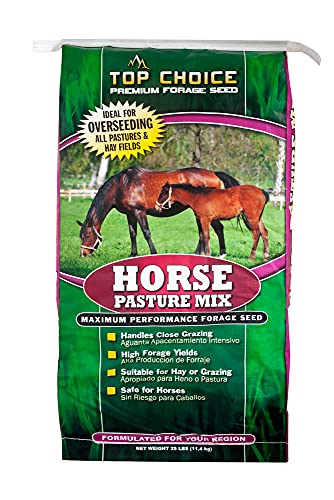
Endophyte-free formula combines cool-season forages with 30% perennial ryegrass and 20% timothy to deliver a high-quality, safe pasture. The blend includes orchardgrass and Kentucky bluegrass with a touch of white clover for improved nutrition. Best for: pastures needing rapid establishment with safe forage for a wide range of livestock, including horses. Caution: endophyte-free mixes may require careful management in established pastures to maintain balance and avoid weed encroachment.
Barenbrug SeedPasture25 Grass Seed

Rapid establishment is a key feature, with endophyte-free seed suitable for quick recovery after renovation or repair. The mix accommodates multiple livestock classes, including horses, and suits northern and transition climate zones. Best for: pastures needing fast recovery after damage or renovation. Caution: may require re-seeding in drought-prone periods to sustain persistent forage growth.
Pasture Seed, 25 lb 23094

This Barenbrug formula is safe, highly palatable, and capable of high-nutrition forage production. It’s described as durable and weather-tolerant, suitable for high-traffic grazing areas. Best for: horses and livestock in need of dependable, digestible forage with resilience to grazing pressure. Caution: may require overseeding or irrigation in drought-prone years to maintain pasture density.
Horse Pasture Seed Mix – No Tall Fescue – La Crosse Seed

Designed specifically for horses, this blend excludes tall fescue and emphasizes orchardgrass, timothy, festulolium, and Kentucky bluegrass for dependable grazing. Best for: horse pastures that want a softer, leafier mix with better palatability. Caution: as with many no-tall-fescue mixes, establishment may require careful seeding depth and soil preparation to achieve uniform coverage.
Outsidepride Horse Choice Pasture & Livestock Mix 25 Lbs
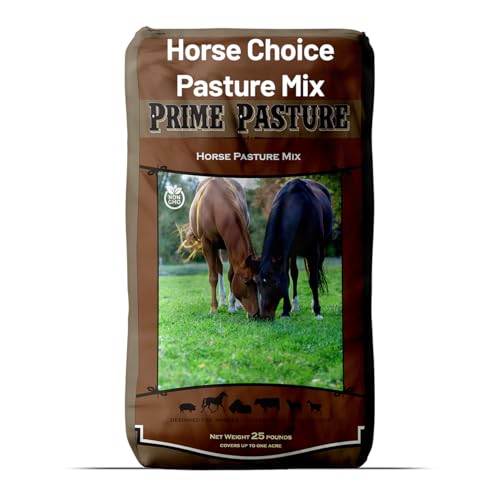
A high-yield, resilient pasture mix consisting of orchardgrass, timothy, fescue, and Italian ryegrass. It’s cold-hardy and drought-tolerant, designed for USDA zones 3–10, with a deep root system for soil stability. Best for: versatile grazing and hay production across a wide climate range. Caution: long-term performance depends on irrigation and soil health; drought years may reduce regrowth without supplemental moisture.
Buying Guide: Key Purchase Considerations
What climate and soil conditions matter?
Choose mixes suited to your USDA zone, soil type, and drainage. Drought-tolerant blends perform better in arid areas, while cool-season mixes suit northern climates with winter grazing.
Is endophyte presence important?
Endophyte-free seeds reduce toxic exposure for horses. If your goal is robust winter forage, prioritize endophyte-free and high-palatable components.
How important is establishment speed?
For renovation projects or fast pasture cover, select blends marketed as rapid-establishment. Be prepared to provide adequate moisture during the first weeks after sowing.
What about grazing pressure and durability?
Grazing-heavy pastures benefit from durable blends with dense turf, such as mixtures including orchardgrass, bluegrass, and tall fescue. If you want to avoid tall fescue, choose No Tall Fescue formulations.
Palatability and nutrition considerations
Palatable for horses and high-quality forage fiber support digestion. Look for blends that emphasize digestible fiber and protein-rich components like clover where appropriate.
Installation and maintenance tips
Prepare a clean seedbed, remove weeds, and seed at the recommended rate. Consider overseeding after pasture renovation and implement a balanced mowing and grazing plan to sustain density and regrowth.
Additional perspectives
- Consider rotational grazing to maximize forage availability and soil recovery.
- Combine seed with soil amendments if your pastures have poor drainage or compaction.
- Monitor weed pressure and reseed as needed to maintain a high-quality pasture.
Frequently asked questions
- Q: What grass seed mix is best for horses in hot climates? A: Look for blends with Bermuda grass or warm-season components combined with palatable cool-season grasses for summer resilience.
- Q: Do endophytes affect horses? A: Endophyte-free seeds reduce risk of certain toxic compounds; choose endophyte-free blends for grazing horses.
- Q: How long does it take to establish a pasture mix? A: Establishment commonly occurs within 4–8 weeks for aggressive blends, with full density over the first growing season.
- Q: Can I overseed an established pasture? A: Yes, overseeding can rejuvenate sparse areas; follow soil preparation and seeding depth guidelines.
- Q: Should I fertilize after seeding? A: Light, balanced fertilizer after establishment supports root growth and drought resilience; adjust to soil test results.
- Q: Are these seeds suitable for hay production as well? A: Many seeds support hay production; check the specific product notes for regrowth and yield expectations.