Best Gravel for Erosion Control: Durable Grids and Fabrics
Erosion control projects require reliable materials that can withstand soil movement, moisture, and weather while keeping surfaces stable and usable. Gravel grids, geocell systems, geotextile fabrics, and natural jute blankets offer distinct advantages for driveways, pathways, slopes, and garden beds. This guide introduces five top Amazon picks that balance performance, installation simplicity, and long-term durability. Each product section highlights key features, ideal applications, and practical considerations to help you choose the right solution for your project.
| Product | Brand | Type | Size / Area | Best For |
|---|---|---|---|---|
| LXVOOEE Gravel Grid Kit | LXVOOEE | Gravel Grid Geocell | 4.4×33 ft (3 panels of 4.4×11 ft) | Driveways, Walkways, Slopes |
| BaseCore HD Geocell Ground Grid | Performance Footing | 3″ Geocell Ground Grid | 10×12 ft per panel (2 panels; 120 sq ft) | Heavy-duty driveways, parking, slopes |
| Vodaland 2″ GeoCell | Standartpark | 2″ GeoCell | 9×17 ft | Pedestrian paths, patios |
| DWALE Driveway Fabric | DWALE | 5 oz Geotextile | 13×65 ft | Erosion control, French drains |
| AK TRADING CO Jute Erosion Control | AK TRADING CO. | Jute Erosion Control Blanket | 48″ x 20 yards | Soil protection, eco-friendly erosion control |
LXVOOEE Gravel Grid Kit for Erosion Control

The LXVOOEE Gravel Grid Kit provides a complete 4.4×33 ft gravel grid system built from high-density PE material with a 2” depth. The kit includes three 4.4×11 ft panels, 20 metal stakes, and 28 clips to simplify installation. Each small cell measures 8.9” square, creating a stable, interconnected foundation that reduces ground movement and keeps gravel in place on uneven terrain or slopes. The grid walls are welded with two rows, delivering stronger tension resistance than single-weld designs.
- Complete set: three panels totaling 4.4×33 ft, plus stakes and clips
- 0.06” (1.5 mm) thickness for durability and UV resistance
- Two-row welded seams for enhanced strength
- Ideal for driveways, walkways, slopes, and paddocks
BaseCore HD 3″ Geocell Ground Grid

The BaseCore HD geocell grid is built from thick HDPE, featuring a 3-inch base height designed for heavy-use projects. The system comes in two panels, each 10×12 ft, totaling 120 sq ft per package. Double-welded seams provide elevated strength to resist lateral forces in challenging soils and slopes. This grid reduces excavation depth and fill needs, helping save time and labor during installation. It serves as a robust base for sheds, walkways, and light-duty parking areas, delivering long-term stability in diverse weather conditions.
- 3″ base height with high-density polyethylene
- Two panels totaling 120 sq ft
- Double welded seams for enhanced strength
- Reduces excavation depth and labor costs
Vodaland 2″ GeoCell

Vodaland’s 2-inch GeoCell is designed for pedestrian-focused projects, offering 100% permeability and easy installation. With a 9×17 ft footprint, this grid is ideal for creating stable walking paths and patios where water drainage is important. It can be anchored to the ground and filled with soil, grass, sand, or gravel. The system emphasizes pedestrian safety and stability, making it a practical choice for footpaths and low-load surfaces in residential landscapes. For best results, the manufacturer recommends using appropriate anchors to secure the grid during installation.
- 2″ cell height, 9×17 ft area
- 100% permeable for drainage
- Easy installation with anchoring and filling options
- Suitable for pedestrian areas and light loads
DWALE Driveway Fabric

DWALE offers a 5-ounce driveways fabric designed for erosion control and drainage support over long runs. At 13×65 ft, this heavy-duty geotextile provides excellent stability under gravel or stone fills while remaining permeable to water. The fabric supports French drains, garden beds, and landscape projects where soil movement is a concern. It’s engineered for durability in outdoor environments and is intended to stay in place as a barrier against weed growth and sediment transport. The material’s high tensile strength helps maintain surface integrity across larger expanses.
- 5 oz heavy-duty geotextile fabric
- 65 ft long by 13 ft wide
- Permeable and tear-resistant
- Ideal for French drains and erosion control
AK TRADING CO Jute Erosion Control Blanket
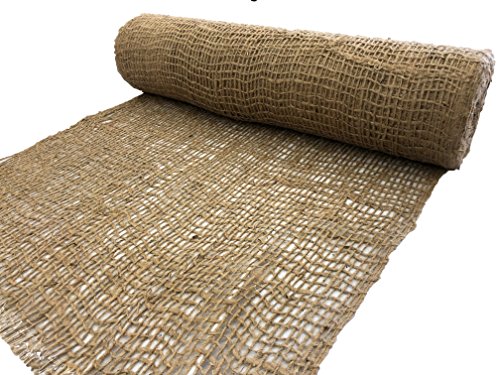
AK TRADING CO.’s Jute Erosion Control Blanket uses premium natural jute fibers to shield soil from erosion while supporting seed germination and establishment. The blanket is 48 inches wide and ships in a 20-yard length (approximately 240 square feet). As a biodegradable solution, it integrates with the soil and decomposes naturally over time, leaving behind stabilization benefits without synthetic residues. This option is well-suited for environmentally conscious projects and areas where temporary stabilization is needed until vegetation becomes established.
- Premium natural jute material
- 48″ wide, 20 yards long (≈240 sq ft)
- Biodegradable and soil-friendly
- Supports erosion control and vegetation establishment
Buying Guide: Key Considerations for Erosion-Control Materials
Choosing Between Geocell Grids and Geotextile Fabrics
Geocell grids, including gravel grids and 3″ base cores, are ideal for structural stabilization on driveways, slopes, and areas with frequent foot or vehicle traffic. They offer mechanical support, helping to confine fill materials and reduce soil movement. Geotextile fabrics, by contrast, act as separators and erosion barriers, improving drainage and preventing weed intrusion while allowing water to pass through. For projects with significant load or slope challenges, geocell systems often outperform plain fabrics. For lighter-duty paths and garden beds, permeable fabrics provide reliable erosion control with simpler installation.
Permissible Loads, Slopes, and Soil Types
Evaluate expected loads (pedestrian, vehicular, or light equipment) and slope grade. Geocell grids are more suitable for higher loads and steeper slopes, distributing weight over a broader ground area. Fabrics excel where soils are prone to pumping or where there is a need for long drainage courses like French drains. On irregular terrain, combining grids with a permeable fabric beneath can deliver both stabilization and water management, minimizing rutting and sediment transport.
Permeability and Drainage
Permeability is critical to avoiding water pooling and frost heave. Geocell systems confine aggregates while maintaining drainage channels within the grid structure. Geotextile fabrics allow water to pass while acting as a barrier to soil particles, helping with filtration. If drainage is a priority, choose fabrics designed for permeability and combine with stone-filled grids where appropriate. In areas with standing water, ensure the selected product promotes rapid infiltration without compromising soil stability.
Installation Time and Practicality
Grids generally require excavation depth reduction and careful alignment, followed by staking and filling. They offer strong results but may demand more upfront prep and layout. Fabrics are often quicker to install, especially for long drainage runs or weed suppression along pathways. Jute blankets provide straightforward installation for temporary stabilization and seed-based restoration. Consider project size, available tools, and weather conditions when estimating installation time and labor needs.
Durability, Longevity, and Environmental Impact
Durability hinges on UV exposure, soil chemistry, and traffic. HDPE geogrid systems withstand degradation and provide long-term stability, though they are not biodegradable. Geotextile fabrics vary by weight and composition; heavier weights typically last longer where buried, but may require replacement if exposed. Jute blankets are biodegradable and eco-friendly, best for short-to-mid-term stabilization while vegetation establishes. Weigh your environmental priorities against project duration and maintenance plans to choose the right option.
Cost-Effectiveness and Maintenance
Cost considerations include material price, installation labor, and potential long-term maintenance. Grids may have higher upfront costs but reduce fill requirements and future repairs, especially on slopes or driveways. Fabrics often yield lower initial costs and provide durable performance for drainage and weed control, with low maintenance. For eco-conscious projects, natural materials like jute offer sustainability advantages but may require replacement sooner than synthetic solutions. A layered approach—grids paired with permeable fabric or natural mulch—can deliver robust performance with reasonable costs.
Practical Recommendations and Best Practices
For a project combining stabilization and drainage, consider a layered approach: install a permeable geotextile fabric beneath a gravel grid to restrict sediment while allowing drainage, then cover with clean aggregate for a stable surface. For slopes or vehicle traffic, prioritize geocell grids with appropriate fill materials to distribute loads and resist movement. When environmental impact is a priority, natural materials like jute can supplement synthetic systems, especially in temporary stabilizations or restoration efforts. Always follow manufacturer guidelines for anchoring, spacing, and curing or settling times to optimize performance.
In summary, the best choice depends on site conditions, intended use, and maintenance preferences. Geocell grids excel in stabilization and load-bearing applications, while geotextile fabrics provide durable drainage and weed control. Natural jute blankets offer an eco-friendly option for rapid, temporary stabilization and seed establishment. By assessing slope, traffic, drainage, and longevity needs, you can select a combination that delivers lasting erosion control and a functional outdoor space.