Best Green Fig Tree Varieties for Sweet Fruit and Home Gardens
Kadota is the clearest green-fruited choice among these listings: its fruit has yellow-green skin and amber flesh, with a mellow, honey-sweet flavor. The two Kadota plants suit buyers seeking a live edible fig tree, while the other selections offer useful comparisons but do not have confirmed green fruit. The table summarizes the five options, including one seed listing whose variety and seed-grown results should be considered carefully.
| Product | Best suited for | Fruit color information |
|---|---|---|
| Kadota live plant | Sweet, low-acid figs | Green skin; amber flesh |
| Kadota in growers pot | Patio or garden growing | Yellow-green skin; amber interior |
| Turkish Brown fig seeds | Container-growing experiments | Not specified |
| Black Mission fig shrub | Garden space in zones 7–9 | Not specified |
| Violette de Bordeaux starter plants | Compact growing and sweet fruit | Deep-red flesh |
Kadota Fig Tree Live Plant

Best for: Gardeners looking for a green-skinned fig with a particularly sweet, low-acid flavor. The listing describes one nursery-grown, well-rooted plant and identifies Kadota as an Italian heirloom with amber-colored flesh and honey-like sweetness.
The supplied details list the tree as self-fertile and suited to USDA hardiness zones 7–10. These features make it a relevant option for buyers prioritizing edible fruit rather than an ornamental fig. Its green skin and amber flesh distinguish it from varieties selected for dark or purple fruit.
Limitation: The listing does not give the plant’s shipped size or a mature growth size. Check the seller’s current listing for those details before planning a planting location.
Kadota Fig Tree in Growers Pot

Best for: Buyers who want a Kadota plant described for patio and garden use, with care information relevant to container growing. The listing identifies smooth yellow-green fruit skin and an amber interior, matching the green-fruited focus of this guide.
It recommends bright outdoor conditions with extended direct sunlight. For watering, the care guidance is to water thoroughly and let the soil partially dry before watering again. It also notes that container-grown plants may need more frequent watering in warm weather. The large, deeply lobed green leaves provide ornamental appeal as well as a fruit-tree form.
Limitation: The listing describes a plant in a 3-inch growers pot, so buyers should plan for the plant’s ongoing care and eventual growing space rather than assume it is already a mature tree.
Turkish Brown Fig Tree Seeds

Best for: Gardeners who specifically want to try growing figs from seed and prefer a compact, container-ready option. The listing describes two packs of seeds, a dwarf variety, and the possibility of growing sweet, edible fruit on mature plants.
This is not the most direct choice for someone seeking a confirmed green-fruited cultivar. The product name says “Turkish Brown,” while the features mention large green leaves but do not specify the mature fruit’s skin color. Leaf color does not establish fruit color, so buyers focused on green figs should choose a listed Kadota plant instead.
Limitation: This listing is for seeds, not a rooted tree. It does not establish how closely seed-grown plants will match a named cultivar or how long they may take to produce fruit.
Black Mission Fig Shrub
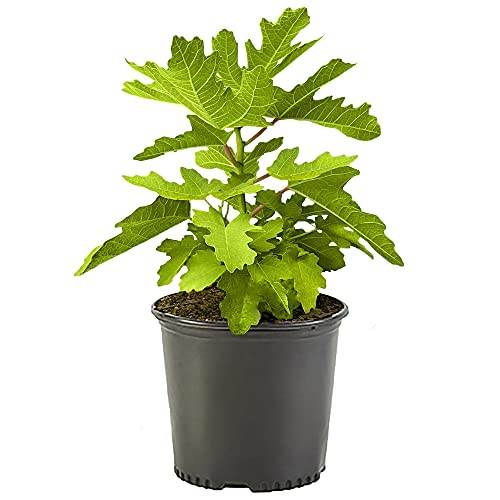
Best for: Buyers comparing a larger fig shrub for a garden rather than seeking a confirmed green-fruited variety. The listing gives a USDA hardiness range of zones 7–9 and a mature size range of 15–30 feet wide and 10–30 feet high.
Those dimensions make placement and spacing important. The recommended spacing is 180 inches, so this listing may be more relevant to gardeners with room for a substantial plant than to people planning a small patio container. It is included as a size and garden-planning comparison, not as a green-fig recommendation.
Limitation: The provided features do not describe the fruit’s color, flavor, or harvest details. Confirm those specifics if fruit characteristics are central to your choice.
Violette de Bordeaux Starter Fig Plants
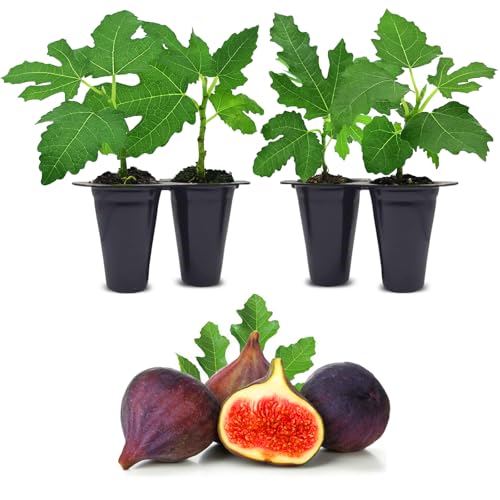
Best for: Gardeners who want a compact fig option for containers, patios, or small gardens and are open to a variety with a different fruit profile. This listing offers four starter plants and describes sweet fruit with deep-red flesh, plus two crops annually.
Its compact habit is a useful contrast to the large Black Mission shrub. However, the described deep-red flesh means this is not a green-fruited alternative to Kadota. It was selected as a relevant comparison for buyers weighing space, flavor, and crop claims across fig varieties.
Limitation: The listing does not provide a hardiness zone range or plant size at shipment in the supplied features. Buyers should verify local suitability and starter-plant dimensions before ordering.
Buying Guide: Choosing a Green Fig Tree
Which variety is actually described as green-fruited?
Among these products, Kadota has the clearest green-fruit description: its skin is described as green or yellow-green, and its flesh as amber. The other listings either do not specify fruit skin color or describe a different flesh color. Treat green foliage as separate from green fruit when comparing product details.
Should you buy a live plant or seeds?
A live plant is the more direct option if you want a named Kadota tree. The seed listing is aimed at growers who are comfortable starting from seed, but it does not guarantee the mature plant’s fruit color or cultivar characteristics. Read the product description for the exact form being shipped.
How much room and sunlight can you provide?
Compare the plant’s stated mature dimensions with your available garden space. The Black Mission listing gives a substantial size range, while the Violette de Bordeaux listing describes a compact habit. For Kadota, the supplied care details favor bright outdoor conditions and extended direct sunlight; containers may need more frequent watering in warm weather.
Does hardiness information matter?
Use the listed hardiness range as one factor when assessing outdoor growing suitability. The live Kadota listing gives zones 7–10, and Black Mission gives zones 7–9. The supplied details do not give a zone range for every product, so avoid assuming that an unlisted plant is suitable for a particular climate.
Frequently Asked Questions
What is the best green fig variety in these listings?
Kadota is the strongest match because its product descriptions specify green or yellow-green skin and amber flesh.
Are Kadota figs green inside?
No. The Kadota listings describe green or yellow-green skin and amber-colored flesh.
Can I grow a Kadota fig in a container?
One Kadota listing is described for patio and garden use and provides guidance for container care. It recommends bright outdoor light and notes that pots may dry faster in warm weather.
Are Turkish Brown seeds a confirmed green-fig variety?
No. The supplied details mention green leaves but do not specify the mature fruit’s skin color.
Which listed fig is described as compact?
The Violette de Bordeaux listing describes a compact growth habit for small gardens, patios, and containers, but its fruit is described with deep-red flesh rather than as green.