Best Ground Feeders for Deer: A Practical Guide to Safe, Effective Wildlife Feeding
Ground feeders designed for deer help manage wildlife, support healthy herds, and reduce garden damage by directing feeding activity to a controlled spot. This guide highlights five top options with durable construction, large capacities, and reliable feeding mechanics. Read on to compare features, durability, and ease of use to choose the right feeder for your property and wildlife goals.
| Product | Brand | Capacity | Key Benefit |
|---|---|---|---|
| Moultrie Deer Feeder Standard | Moultrie | Up to 200 lb | Remote programming and app control |
| Banks Outdoors Feedbank Timber | Banks Outdoors | 250+ lb | Watertight cover and durable construction |
| BUYYAH 95-120lbs Deer Feeder | BUYYAH | 95-120 lb | Heavy-duty metal, weatherproof design |
| Moultrie 30-Gallon Deer Feeder Tripod | Moultrie | Up to 200 lb | Mobile, tripod setup with timer |
| Moultrie 250 lb. Gravity Deer Feeder | Moultrie | 250 lb | No-power gravity distribution |
The products above are chosen for their balance of capacity, weather resistance, and feeding reliability. Each option aims to minimize maintenance while maximizing consistent access for deer and other wildlife, without requiring extensive electrical setups or frequent refilling.
Moultrie Deer Feeder Standard

Remote programming via the Moultrie App enables Bluetooth control of feeding times, durations, and frequency from up to 300 feet away. This reduces field visits and scent disturbance. The 200-pound capacity hopper uses a UV-resistant polymer, designed to withstand sun, rain, and wildlife activity. Ground-level access makes refilling straightforward, while flexible power options support extended operation with or without wiring.
Banks Outdoors Feedbank Timber
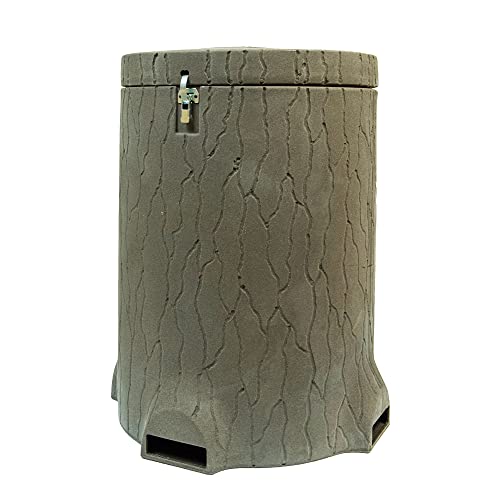
Designed for 250+ pounds of feed, the Feedbank Timber features a large watertight cover and UV-stabilized polyethylene construction. The durable build supports long-term use in the field, with a focus on minimizing moisture exposure and keeping feed dry. The sizeable capacity reduces refill frequency, which is helpful for remote locations or areas with high deer traffic.
BUYYAH 95-120lbs Deer Feeder

This gravity feeder offers a large capacity (95-120 pounds) with a heavy-duty rust-proof alloy steel frame. Full welding enhances durability, and four stable legs with pre-drilled holes allow secure anchoring to ground or soil. The design supports various feeding patterns while remaining resistant to weather and mud, making it suitable for challenging outdoor conditions.
Moultrie 30-Gallon Deer Feeder Tripod
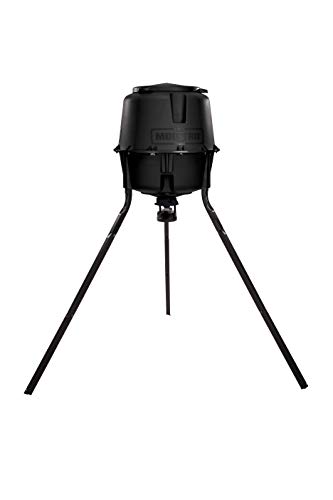
This 30-gallon hopper holds up to 200 pounds, reducing refill frequency. The Quick-Lock assembly enables tool-free setup and removal of the feeder kit. A programmable digital timer allows up to four daily feed times with adjustable durations, offering flexible scheduling for consistent deer access while avoiding overfeeding and waste.
Moultrie 250 lb. Gravity Deer Feeder

A heavy-duty gravity feeder with a 250-pound hopper capacity, designed for no-power operation. It uses a triple funnel feed system to control distribution and accommodate different feed types, such as corn or pellets. This model emphasizes reliability in remote locations where electrical power is unavailable, reducing maintenance and operational risk.
Buying Guide: Key Purchase Considerations
- Capacity and refill interval: Choose a capacity aligned with deer numbers and site access. Higher capacity reduces refill frequency but may require larger storage and stronger mounting.
- Feeding mechanism: Gravity-fed designs are simple and power-free, while timer-based systems offer scheduling and predictability. Remote control via apps adds convenience but may rely on battery or wireless connectivity.
- Durability and weather resistance: Look for UV-resistant, rot-resistant, and rust-free materials. Weatherproof housings and sturdy legs prevent wobble and maintenance needs after storms.
- Placement and security: Elevate feeders to reduce ground moisture and predators; ensure stable anchoring in mud or uneven ground. Some designs include locking lids or covers to protect feed from rain and pests.
- Target wildlife compatibility: Ground feeders can attract deer, ducks, and other wildlife; ensure openings and feeds are appropriate for your intended species and avoid attracting non-target pests.
- Maintenance and cleaning: Easy-to-clean materials and simple disassembly shorten upkeep time. Consider feeders with accessible hoppers and removable components for thorough cleaning.
In selecting a ground feeder for deer, balance capacity, durability, and ease of maintenance with your local environment and deer activity patterns. The options listed provide a spectrum from app-enabled control to simple gravity feeders, helping you manage feeding responsibly while supporting wildlife health and habitat integrity.