Best Indoor Bean Sprouts Growing Solutions for Fresh Harvests
If you’re looking to grow bean sprouts indoors, start with a complete sprouting kit or a dedicated seed mix that fits your space and light conditions. This guide highlights five reliable options that are well-suited for beginners and seasoned growers alike. Whether you want a compact two-jar setup or a multi-tray system, there’s a choice here to maximize freshness, minimize mess, and keep sprouts ready for salads, sandwiches, and wraps.
Quick buying table (summary):
| Product | Best For | Key Benefit |
|---|---|---|
| Kitmiido Seed Sprouting Kit | Home cooks with limited counter space | Two jars, drip tray, blackout sleeves for light control |
| GARDENS ALIVE! Seed Sprouter Kit | Multi-crop indoor microgreens | Two-tier design with observe-through trays |
| Nature Jim’s Sprouts Organic Salad Mix | Pre-mixed organic seeds | All-in-one seed blend for various sprouts |
| Gardzen 5-Pack Sprouts Growing Kit | Space-saving, multi-seed trays | Five-layer tray system for compact growth |
| Amarys Hearth 2 Pack Seed Sprouter Trays | Stainless steel durability | Two-tier, rust-free, mesh trays |
Kitmiido Seed Sprouting Kit

The Kitmiido sprouting kit is designed for easy home sprouting with two large jars, screen sprout lids, blackout sleeves, a drip tray, and a stainless steel stand. It targets fresh sprouts for bean, broccoli, and alfalfa, with light control to optimize germination. Best for cooks who want a compact two-jar setup that’s simple to assemble and store.
Best for: beginners or small households that want a complete, space-efficient system. The included blackout sleeves help tailor light exposure for delicate sprouts, potentially improving yield and flavor.
Why selected: It provides a full, integrated setup in one purchase, reducing setup friction and ensuring you have all the essentials to start sprouting quickly.
Caution: The data notes emphasis on storage and light control; ensure your counter has enough space for the rack and jars when fully assembled.
GARDENS ALIVE! Seed Sprouter Kit
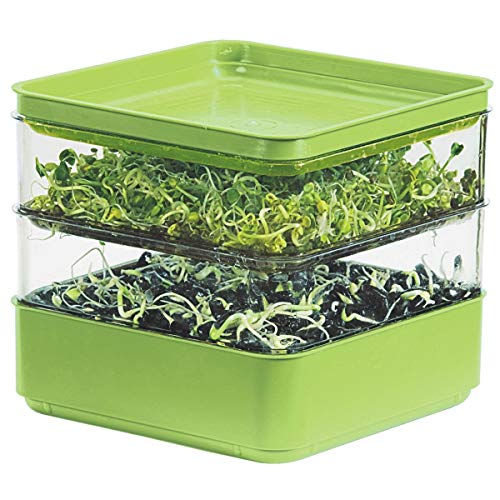
This two-tier seed sprouter uses transparent trays to let you monitor progress while offering the option to add more trays for simultaneous sprouting. It’s ideal for indoor year-round gardening and quick turnover of small seeds like alfalfa, broccoli, and radish. No soil is required, and the hydroponic-like setup speeds germination.
Best for: busy households that want to observe growth stages and expand sprouts over time with a scalable tray system.
Why selected: The stacked design optimizes space and enables multiple crops in a compact footprint, making it suitable for apartments or kitchens with limited room.
Caution: Growth speed can vary with seed type and environment; monitor moisture to prevent mold in humid conditions.
Nature Jim’s Sprouts Organic Salad Mix
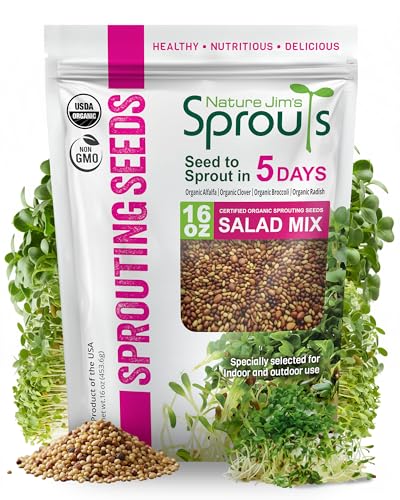
Nature Jim’s offers an organic, non-GMO seed blend for a quick indoor harvest. The mix includes broccoli, alfalfa, radish, and clover seeds designed to germinate in as little as five days. This option suits growers seeking a ready-to-plant seed mix without sourcing individual varieties.
Best for: beginners who want a straightforward, all-in-one seed mix to produce diverse microgreens quickly.
Why selected: The blend simplifies the seed choice and reduces guesswork about compatibility across sprouting trays and jars.
Caution: Results can vary based on seed lot quality; ensure seeds are fresh and stored properly to maximize germination rates.
Gardzen 5-Pack Sprouts Growing Kit

The Gardzen kit emphasizes space efficiency with a five-pack design centered on seed trays with dense holes to promote air exchange. It’s suitable for small greens like mung beans and wheatgrass and supports compact, soil-free growth. Best for: sprouters who want to experiment with several seed types in a single compact system.
Why selected: The emphasis on airflow and drainage supports healthier roots and cleaner sprouts when growing multiple seeds at once.
Caution: Plastic trays may require careful cleaning to avoid cross-contamination between seed types; rinse thoroughly between uses.
5 Layers Seed Starter Kit
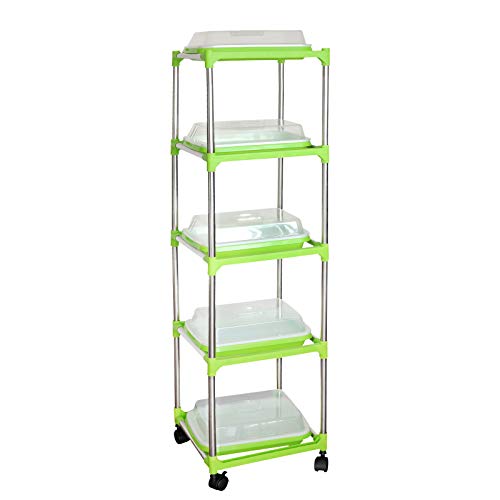
This 5-layer vertical sprouting system maximizes space while keeping seed germination orderly. It’s designed for indoor microgreens, wheatgrass, mung beans, and more, with a durable stainless steel shelf and reusable trays. Best for: growers who want a compact, multi-tier solution for several seed types without sacrificing airflow.
Why selected: The vertical design dramatically reduces footprint, making it ideal for kitchens with limited surface area while enabling higher yields per square foot.
Caution: Assembly may require basic tools or careful alignment; ensure stability on a flat surface to prevent tipping with full trays.
Amarys Hearth 2 Pack Seed Sprouter Trays

The Amarys Hearth set offers two stainless steel mesh trays with compatible base trays and silicone mesh pads that accommodate different seed sizes. Its rust-free 304 stainless steel construction provides durability and a clean, minimalist aesthetic. Best for: households prioritizing long-term durability and ease of cleaning.
Why selected: Stainless steel reduces concerns about plastic odors or staining, while the mesh design supports good drainage and airflow for robust sprouts.
Caution: Metal trays can get hot to the touch after long use; handle with care and ensure safe placement away from children or pets.
Buying Guide
- Space and layout: Do you prefer a compact two-jar kit or a multi-tier system? Your kitchen counter size will influence the best setup.
- Seed type flexibility: If you want variety, consider kits with interchangeable trays or multi-seed blends.
- Light control: Blackout sleeves and shaded lids help tailor light exposure, which can improve sprout quality for certain seeds.
- Material durability: Stainless steel tends to be more durable and easier to sanitize than plastic; factor longevity into your decision.
- Maintenance: Look for kits with intuitive assembly and easy cleaning to minimize hassle and maximize consistent results.
- Grow speed and yield: Some seed blends germinate faster than others; plan around how quickly you want harvests.
Frequently Asked Questions
- How long do sprouts take to grow indoors? Most sprouts are ready in about 5–7 days, depending on seed type and environmental conditions.
- Do I need soil to sprout indoors? No, most kits are soil-free and designed for hydroponic-like growth in trays.
- Can I reuse sprouting trays across different seeds? Yes, but rinse and sanitize between uses to prevent cross-contamination.
- What light conditions are best for sprouts? Some seeds benefit from partial light; others thrive in low-light environments with blackout sleeves.
- Are organic seeds worth it for sprouting? Organic, non-GMO seeds often offer reliable germination and are preferred by many home growers.
- What maintenance is required for sprouting kits? Regular rinsing, draining, and ensuring trays dry between cycles help prevent mold and spoilage.