Best Ways to Grow Hydroponic Strawberries for Profit
Hydroponic strawberry farming can offer year‑round harvests with relatively compact space. This guide highlights practical seed and pod options, growing media, and system‑level ideas to help you maximize yield and profitability. The selections below focus on beginner‑friendly kits, heirloom seeds, and soil mixes that support robust plant health in indoor or container setups.
Summary Table of Selected Products
| Product | Brand | Use Case | Key Benefit |
|---|---|---|---|
| 250PCS Alpine Strawberry Seeds | BULBORIUM | Seeds for soil or hydroponic use | Hardy Fragaria Vesca, cool‑season perennial, strong grower |
| 7‑Kinds Seed Kit | LYKOCLEAN | Hydroponic seed kit for multiple crops | Includes red strawberry and other varieties, 350+ non‑GMO seeds |
| Strawberry & Tomato Seed Pod Kit | inbloom | Hydroponic seed pods for popular systems | All‑in‑one kit with strawberry and tomato seeds |
| Red Strawberry Seed Pod Kit | apoloseedic | Hydroponic seed pods for multiple systems | Heirloom seeds, non‑GMO, ready to grow |
| Gardenera Strawberry Premium Potting Mix | Gardenera | Growing medium for containers or indoor beds | Premium peat moss, worm castings, moisture retention |
250PCS Alpine Strawberry Seeds From Bulborium
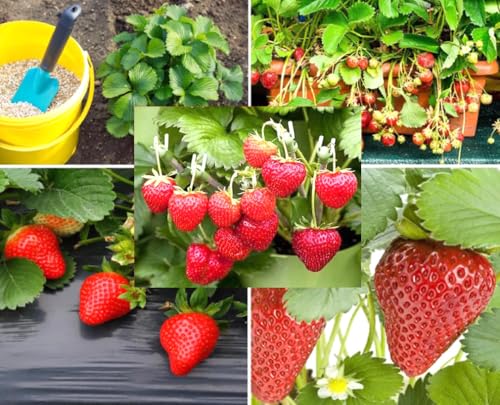
The Alpine strawberry variant Fragaria Vesca is noted for hardy growth and strong establishment, ideal for cool‑season propagation in spring or fall. Suitable for ground cover or tight spaces, these seeds can perform well in hydroponic contexts when paired with a balanced nutrient program and adequate light. For profitability, align planting density with system capacity and monitor germination rates to optimize turnover. This heirloom type offers flavor and resilience that can appeal to small market buyers seeking unique varieties.
Key considerations for this product include seed viability, growing environment compatibility, and subsequent fruit quality. When used in hydroponics, ensure nutrients, root zone oxygenation, and temperature are kept within optimal ranges to avoid slow germination or weak transplants. Pair with a reliable grow light schedule to maximize daily harvest windows.
7‑Kind Seed Kit For Hydroponics

This kit includes multiple seed types, with red strawberry (Fragaria × ananassa) among the varieties. It’s designed for AeroGarden, iDOO, and other systems, offering a broad seed base and bio‑ready sponges. For profit, diversify crops within a single hydroponic setup to extend harvest periods and stabilize income streams. The kit’s 350+ seeds provide a broad reservoir for repeat crops and inventory planning.
Considerations focus on germination consistency (noted at 96% in marketing materials), compatibility with your system, and seed quality. Efficiently reuse grow media where possible, and maintain sterile handling to protect young transplants. Take advantage of the included plant food to support early growth stages and reduce transplant shock.
inbloom Strawberry & Tomato Seed Pod Kit

All‑in‑one hydroponic growing kits with strawberry and tomato seeds, designed for beginners and enthusiasts. The seed pods are paired with growing media and nutrients, simplifying setup and maintenance. In a profit‑driven operation, this kit can help you kickstart multiple harvests with minimal setup time, especially in compact indoor environments. It also supports consistent yields by ensuring healthy germination and robust early growth.
Important factors include pod quality, germination rate stability, and overall system compatibility. Use light, water, and nutrient schedules that align with the crop mix to prevent crowding and stress. Monitor growth to time successive harvests for market windows and customer demand shifts.
Red & White Strawberry Seed Pod Kit (7 Pods)

This kit includes multiple strawberry varieties (Red Cherry, White Strawberry, Red Strawberry) along with other fruit seeds. The kit emphasizes non‑GMO, heirloom traits and open‑pollinated seeds, which can be advantageous for seed saving and project planning in a profit‑oriented operation. It also provides a full set of growing accessories to streamline implementation in hydroponic systems.
Profit considerations center on crop value, repeatability, and consumer interest in unique or heirloom flavors. Leverage the non‑GMO and open‑pollinated attributes as marketing angles for local markets or community supported agriculture (CSA) programs. Maintain strict sanitation and track germination rates to optimize planting cycles.
Gardenera Premium Strawberry Potting Mix (2 Quart)

The 2‑quart Gardenera premium potting mix is designed for robust strawberry growth in containers or indoor beds. Features include peat moss for moisture retention, aeration, and worm castings for natural nutrient supply. For hydroponic use, this mix can be a base growth medium for root‑bound systems or as a seedling starter before transitioning to a soilless nutrient solution. The formulation supports strong root systems and flavorful fruit production.
Key considerations include moisture management, salinity control in hydroponic settings, and compatibility with existing nutrient feeds. Evaluate how the mix interacts with your water quality and system design, and adjust watering schedules to prevent root rot or nutrient lockout. This product can be part of a hybrid strategy that combines container trials with pure hydroponics for profitability testing.
Buying Guide: Key Purchase Considerations for Profitable Hydroponic Strawberry Production
System compatibility: Ensure seeds, pods, and growing media align with your hydroponic setup (AeroGarden, iDOO, Ahopegarden, MUFGA, or other systems). Look for pod compatibility, moisture management, and nutrient delivery that fit your hardware.
Germination and vigor: Favor varieties with high germination rates and robust early growth. Heirloom or open‑pollinated seeds offer seed‑saving options, while hybrid seeds may provide uniform performance. Balance novelty with reliability to sustain profits over multiple seasons.
Crop diversification: Use a mix of strawberry varieties and companion crops (e.g., tomatoes) to extend harvest windows and reduce risk. A diversified supply can attract more buyers and create year‑round revenue streams in homes or small markets.
Growing media choices: Compare soil mixes and soilless substrates. Premium potting mixes can support starting transplants, while hydroponic media (sponges, domes, baskets) enable faster turnover in clean, controlled environments. Consider reusability and sanitation to lower costs over time.
Nutrition and water management: Maintain consistent pH, EC, and nutrient balance suitable for strawberries. Implement regular monitoring to prevent nutrient lockout and ensure flavor and size targets are met. Automated schedules can improve consistency and profitability.
Market strategy: Identify local demand for fresh berries, edible landscaping, or value‑added products (jellies, jams). Use heirloom and non‑GMO attributes as marketing differentiators. Consider small‑scale CSA or direct‑to‑consumer channels to maximize margin.
Space and labor efficiency: Plan layouts that maximize light exposure and airflow while minimizing labor for pruning and harvest. Compact indoor or tabletop systems can yield more harvest cycles per year, enhancing profitability with careful planning.
Quality control: Implement sanitation, seed lot tracking, and harvest record keeping. Consistent quality supports repeat customers and favorable market pricing. Use trials to vet new varieties before scaling up production.