Best Hamelin Chinese Fountain Grass Varieties for Your Garden
Hamelin Chinese fountain grass, also known as Pennisetum alopecuroides, offers ornamental plumes, drought tolerance, and adaptable growth. This guide highlights five top options suited for American gardens, focusing on visual impact, hardiness, and low maintenance. The featured selections range from compact dwarf varieties to bold dark foliage. Ideal buyers include sun-loving landscapers, container gardeners, and anyone seeking year‑round texture. Use the quick comparison table to narrow choices, then explore each product for details on size, color, and suitability.
Quick comparison table
| Product | Best For | Key Benefit | Notes |
|---|---|---|---|
| Outsidepride Chinese Pennisetum | Low-maintenance xeriscapes | Smoky purple-black plumes | Sun to dry soil, drought-tolerant |
| 25 Dwarf Purple Chinese Fountain Grass | Border plantings | Year-round color, multiple tones | 24-36 in height/width |
| Hameln Dwarf Fountain Grass | Containers and borders | Creamy tan plume, compact | Easy to grow |
| 10 Hamlen Grass (Pot Multi) | Small space plantings | Fluffy plumes, versatile | 2-3 ft tall |
| First Knight Fountain Grass | Bold foliage displays | Dark burgundy-to-black blades | Heat-loving variety |
Outsidepride Chinese Pennisetum Fountain Ornamental Grass Seeds
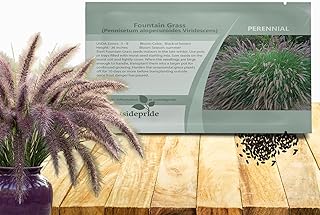
Best for sunny landscapes with low maintenance needs. This seed option yields a drought-tolerant perennial with smoky purple-black plumes that emerge in late summer, creating contrast against deep green foliage. Suitable for borders, mass plantings, and xeriscapes. Best for gardeners who prefer seed-grown specimens that establish gradually and require minimal irrigation after establishment.
Who it’s best for: Gardeners building sunlit, drought-tolerant borders or xeriscape features who enjoy late-summer drama.
Why selected: The plumes’ dramatic color and late-season interest enhance any sunny garden. Plumes persist into fall, adding movement in light breezes.
Limitation: Establishment may take longer from seed compared with nursery plants; needs full sun for best plume development.
25 Dwarf Purple Chinese Fountain Grass Pennisetum Alopecuroides

Best for year‑round color and adaptable plantings. This dwarf variety features dark green foliage that shifts to golden yellow in fall and purple-red plumes maturing to silver, providing layered color throughout the seasons. Heights reach roughly 24–36 inches, making it suitable for borders, small beds, and containers.
Who it’s best for: Gardeners seeking a compact yet colorful fountain grass with multi-season interest.
Why selected: The color transitions across seasons deliver continuous visual interest without needing large space.
Limitation: May require protection in colder zones or unusually wet soils; prefers sun to part shade with well‑drained soil.
Hameln Dwarf Fountain Grass Live Starter Plants

Best for immediate impact in borders and containers. Hameln produces abundant creamy tan, bottlebrush-like plumes in mid-to-late summer, rising above arching green foliage. It thrives in full sun and well-drained soil, offering drought tolerance once established.
Who it’s best for: Gardeners seeking quick establishment and a compact, graceful fountain grass look.
Why selected: The soft, plume-rich habit provides year-round texture with relatively low maintenance.
Limitation: Starter plugs may vary in size; ensure good drainage and avoid heavy soils to prevent root issues.
10 Hamlen Grass, Dwarf Fountain Grass

Best for border and container use where height is a consideration. This variety typically grows 2–3 feet tall with a 1–2 foot spread. It performs best in full sun to part shade and tolerates dry soil conditions well, making it versatile for various landscape styles.
Who it’s best for: Gardeners with moderate space seeking a balanced, eye-catching fountain grass.
Why selected: Its compact size offers flexibility for mixed plantings and focal plantings where height control matters.
Limitation: Growth can slow in low-light conditions or overly rich soils; provide full sun for best plume development.
First Knight Fountain Grass Live Plant

Best for bold foliage displays in hot climates. First Knight features dark burgundy-to-black sword-like blades that create a striking focal point. This heat-loving ornamental grass is sold as a two‑pack for amplified visual impact in borders or container displays.
Who it’s best for: Gardeners looking for dramatic color contrast in sunny landscapes.
Why selected: The deep foliage color provides strong architectural interest and pairs well with lighter greens and textures.
Limitation: Highly sun-dependent; evaluate microclimate to avoid sun scorch in extreme heat.
Buying Guide: Key Considerations For Hamelin Chinese Fountain Grass
- : Most varieties prefer full sun to enjoy the best plume color and density; some tolerate light shade but growth may be slower.
- Soil and drainage: Well-drained soil is essential; avoid heavy clay or consistently wet areas to prevent root rot.
- Size and placement: Dwarf forms suit borders, containers, and small beds; taller cultivars work as focal points in large borders.
- Water needs: Establishment requires regular watering; once established, many are drought-tolerant but perform best with moderate moisture in extreme heat.
- Color and texture: Consider plume color (from smoky purple-black to tan or golden hues) to complement surrounding plants and seasonal changes.
- Maintenance: Pruning is typically light; some varieties benefit from fall cleanup to encourage fresh growth in spring.
- Hardiness: Check zone compatibility; most Pennisetum alopecuroides types tolerate a range of climates but extreme cold may affect some forms.
Frequently Asked Questions
- Are Hamelin fountain grasses drought-tolerant? Yes, once established, many varieties tolerate dry conditions with proper drainage.
- When do Hamelin grasses bloom? Plumes typically appear in mid-to-late summer and can persist into fall, depending on the cultivar.
- Can these grasses be grown in containers? Yes, several compact varieties are well-suited for containers with regular watering and sun.
- What soil type is best? Well-drained soil is essential; avoid saturated or poorly drained spots to protect roots.
- Do all varieties require full sun? Most do best in full sun, though some tolerate partial shade with slower growth and lighter plume color.
- How often should I prune? Pruning frequency depends on cultivar and climate; many gardeners trim dead foliage in late winter or early spring.