Best Harvest Bird Seed Cakes for Year-Round Feeding
If you’re looking to keep backyard birds well-fed and energized, harvest seed cakes are a simple, mess-reducing option. These compact, nutrient-dense bars attract a variety of songbirds, cardinals, woodpeckers, and other wildlife. The following picks are among the most relevant for American feeders, offering durable packaging, attractive blends, and easy-to-spot benefits for different bird types. This guide helps you choose based on your feeder type, climate, and the birds you want to invite to your yard.
Buyer’s quick-start table:
| Product | Best For | Key Benefit | Notes |
|---|---|---|---|
| Songbird Treats Seed Bars – Wildlife Sciences | Songbirds | Long songbird appeal with standard seed mix | 1.75–2 lb bars |
| Audubon Park Nut & Fruit Snack Stack | Diverse yard birds | Six-pack variety for extended feeding | Includes nuts, fruits |
| Kaytee Wild Bird Gourmet Seed Cake | Cardinals, chickadees, juncos | Premium seed blend for broad appeal |
For best results, rotate between blends and place cakes in sheltered feeders or trays to protect from heat and pests. Always follow feeder instructions and monitor for freshness, especially in warm months.
Songbird Treats Seed Bars | Wildlife Sciences

Best for: Songbirds that respond to classic seed blends. This 1.75–2 lb bar uses a straightforward seed mix designed to attract a wide range of small, colorful birds commonly seen at suburban feeders.
Why selected: It’s a dependable, compact seed cake option, with recyclable packaging and a focus on attracting songbirds. The bar form minimizes waste and spills relative to loose seed blends.
Caution: As with any mixed-seed option, avoid exposing cakes to prolonged direct sun or temperatures above 90°F to prevent spoilage or softening.
Audubon Park Nut & Fruit Snack Stack

Best for: A variety-seeking flock, including mix of seed-eaters and fruit-loving species. The stack-style format reduces refills and offers variety across six cake sections per stack.
Why selected: The six-pack provides extended feeding opportunities, and the blend includes peanuts, sunflower seeds, safflower, and raisins to attract cardinals, woodpeckers, jays, and more.
Caution: Check for any nut allergies among visiting species and keep nuts fresh in cool storage to prevent rancidity.
Kaytee Wild Bird Gourmet Seed Cake

Best for: Cardinals, chickadees, juncos, titmice, woodpeckers, and other seed-loving species. This cake blends a diverse seed mix into a compact, ready-to-feed cake.
Why selected: Its diverse seed blend is designed to attract a wide spectrum of birds, with high-energy components to support year-round activity.
Caution: Avoid placing near direct sun or in very hot areas to preserve texture and freshness during summer.
Kaytee Cardinal Seed Cake

Best for: Cardin- als and other songbirds attracted to black oil sunflower and safflower seeds.
Why selected: Specifically crafted to attract red-cardinals, this seed cake targets a pop of bright color in your yard while delivering reliable energy.
Caution: If your feeder area experiences frequent heat waves, monitor the cake for softening and replace if it begins to crumble.
C&S Peanut Butter Delight No Melt Suet Dough
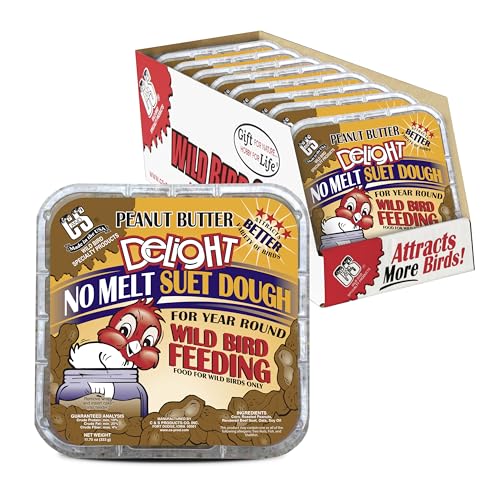
Best for: Nut-loving birds, including wrens, woodpeckers, cardinals, songbirds, and jays. The no-melt formula stays firmer in warmer weather, delivering concentrated energy.
Why selected: Suet dough provides a high-energy alternative to seed-only cakes, useful in cooler months or when birds require extra calories for migration or nesting.
Caution: No-melt suet can still soften if left out in extreme heat; consider placing in shade or a temperature-controlled feeder tray during hot days.
Buying Guide: Key Considerations When Choosing Harvest Seed Cakes
- Target birds: If your yard hosts mostly songbirds, choose blends labeled for songbirds or general wild birds. For cardinals or woodpeckers, select mixes that emphasize black oil sunflower seeds, safflower, and nuts.
- Cake size and packaging: Larger bars (1.75–2 lb) reduce refills but may require larger feeders. Six-pack formats help with extended feeding and cost-per-cake efficiency.
- Texture and melt resistance: In warmer climates, “no melt” or tightly pressed cakes help prevent mess and spoilage. Look for recyclable or sturdy packaging to support easy disposal.
- Nutrition and energy: High-fat seeds (sunflower, safflower, peanuts) provide sustained energy, especially in fall and winter. Balanced blends support year-round activity.
- Seasonality: Some blends perform better in winter, while others attract seasonal visitors like jays or woodpeckers in spring and fall. Rotate blends to diversify visitors over the year.
- Maintenance: Consider ease of cleaning and minimal waste. Severe crumbs can attract pests; place cakes in sealed or protected feeders if possible.
Frequently Asked Questions
- What is a seed cake?
A seed cake is a compact, compressed mix of seeds and sometimes nuts or fruit designed to fit into a feeder or platform, offering a mess-reducing energy source for wild birds.
- Which birds are most attracted to seed cakes?
Songbirds (finches, chickadees, warblers), cardinals, jays, woodpeckers, and nuthatches commonly visit seed cakes, depending on the seed blend.
- Are seed cakes better than loose seed blends?
Seed cakes reduce waste and scattering, provide a stable feeding source, and can be easier to store and transport than loose seed—but variety may require mixing different blends over time.
- How should I store unopened seed cakes?
Store in a cool, dry place away from direct sunlight to preserve freshness and prevent mold or rancidity, especially for kernels and nuts.
- What if the cake becomes soft in heat?
Move the feeder to shade, use a no-melt formulation, or switch to a different blend until temperatures drop. Ensure proper ventilation around the feeder.