Best Hemp Seeds for Growing: Top Seeds for Your Garden and Field
Hemp seeds are a versatile choice for home gardeners and small farms. They can improve soil health, provide a sustainable cover crop, and offer nutritious options for kitchen desis. This guide highlights five hemp seed products that are suitable for cultivation, soil improvement, or forage, with objective details on benefits and usage. Explore options that support biomass, nitrogen fixation, and practical planting needs.
Summary Table
| Product | Brand | Purpose | Notes |
|---|---|---|---|
| Outsidepride Sunn Hemp Seeds | Outsidepride | High biomass cover crop; soil improvement | Grows fast; deep nitrogen fixation |
| Organic Raw Hemp Seeds | Snow Hill | Edible seeds; soil-friendly crop rotation | High protein, balanced fatty acids; grown at altitude |
| Moonee Naturals Hemp Seeds | Moonee Naturals | Edible seeds; non-GMO | Nutritious, protein-rich; versatile uses |
| Mighty Seed Hemp Hulled Seeds | Mighty Seed | Edible seeds; convenient snack | Hulled, easy to sprinkle on foods |
| Healthworks Hemp Seeds | Healthworks | Edible seeds; raw, plant-based | Omega-rich; versatile recipes |
Outsidepride Sunn Hemp Seeds For Cover Crop
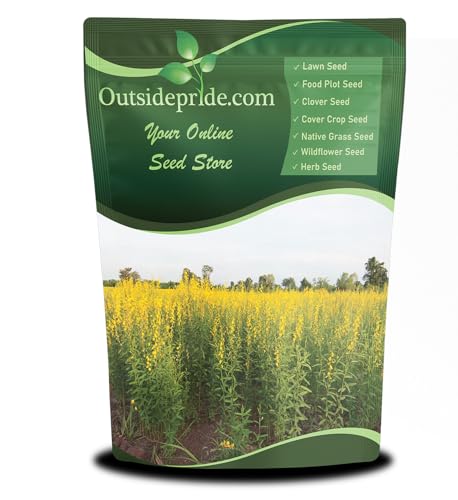
Outsidepride Sunn hemp seeds are framed as an annual legume designed for high biomass production and soil improvement. They offer rapid growth, reaching heights of 3-9 feet and producing significant ground cover within weeks under ideal conditions. The seeds are suited for forage production and erosion control, making them a practical choice for gardeners seeking a robust cover crop or agroforestry-friendly planting. Users should consider regional climate and soil type to optimize biomass and weed suppression performance.
Snow Hill Organic Raw Hemp Seeds

Snow Hill’s Organic Raw Hemp Seeds emphasize a high-protein profile and a balanced ratio of essential fatty acids. The seeds are described as complete protein sources with notable amounts of Omega-3 and Omega-6 fatty acids. They are marketed as vegan-friendly and suitable for paleo and keto lifestyles, with a focus on natural, non-GMO ingredients. While primarily marketed for consumption, these seeds can also support soil health when used in crop rotations and composting cycles, aligning with garden productivity goals.
Moonee Naturals Hemp Seeds (Non-GMO)

Moonee Naturals offers hulled hemp seeds that are sourced from Canada and labeled Non-GMO. They emphasize a protein-forward profile with 10 g per serving and notable Omega-3 & 6 content. The flavor is described as mild and nutty, suitable for sprinkling on salads or integrating into recipes. For growers, these seeds also fit into crop rotation schemes as a marketable seed variety, while offering a convenient edible product for gardeners who grow hemp as a supplemental crop for personal use.
Healthworks Hemp Seeds Raw, Omega Rich

Healthworks presents raw hemp seeds described as all-natural, vegan, and free of common allergens. They highlight a balanced profile of Omega 3 and 6 fatty acids, along with a variety of nutrients like iron, magnesium, and zinc. The product is positioned as a flexible addition to smoothies, cereals, salads, and baking. For growers, the emphasis on minimal processing can be advantageous for farmers seeking shelf-stable seed stock with broad culinary appeal, complementing a diversified crop plan.
Mighty Seed Hemp Hulled Seeds

Mighty Seed Hemp Hulled Seeds are presented as hulled, offering a convenient, nutty-tasting option similar to sunflower seeds. They’re marketed for sprinkling on salads, cereals, granola, and yogurt, with a protein content around 10 g per serving and 12 g of Omega fatty acids per 30-gram serving. The hull removal improves digestibility and quick incorporation into recipes, making them a practical choice for gardeners who grow hemp seeds for personal use and culinary experimentation.
Buying Guide: Key Considerations For Hemp Seed Purchases
- Seed purpose: Distinguish whether you need seeds for soil improvement (cover crops, nitrogen fixation) or edible seeds for consumption. Some seeds are optimized for agronomic performance, while others emphasize flavor and nutrition.
- Growth conditions: Check climate suitability, soil type, and growing season. Sunn hemp specifically targets biomass and soil cover, while edible seeds tend to be grown as crops or rotation companions in temperate regions.
- Protein and fatty acid content: If nutrient density matters, compare protein grams per serving and omega-3/6 ratios for the edible seed options.
- Non-GMO and organic claims: For organic gardening or specific dietary preferences, verify labels and certifications.
- Usage versatility: Consider how seeds can be used — as fresh forage, soil amendments, or kitchen ingredients — to align with your farming or gardening goals.
- Seed source and germination: If planting is your primary goal, confirm germination rates and the seed’s suitability for your planting zone and frost dates.
- Storage and shelf life: Dried hemp seeds store well, but check packaging integrity and storage recommendations to maintain quality over seasons.
- Regulatory considerations: Some regions have guidelines for growing hemp; ensure compliance with local agricultural and health regulations.