Best Herbicides to Kill Cactus: Products and Label Checks
No product in this list is confirmed by the supplied information to be labeled for cactus control. Before buying, check the product’s current label for the cactus species, treatment site, and application method; use only as directed. Tordon RTU and Pathfinder II are presented for woody plants, while Ranger Pro and Honcho K6 are glyphosate herbicides with broader weed-control descriptions. Torocity is a mesotrione herbicide, but the supplied details do not establish cactus control. The comparison below identifies what each product is described for and where its limits matter.
| Product | Best fit based on supplied details | Key limitation |
|---|---|---|
| Tordon RTU | Cut-stump treatment of listed woody plants | Cactus use is not established; sales restricted in some locations |
| Pathfinder II | Listed brush and vegetation sites | Target pests are not specified in the supplied details |
| Ranger Pro | Broad-spectrum post-emergence weed control | Cactus must be on the label |
| Torocity | Mesotrione herbicide uses listed on its label | No cactus-control claim is supplied |
| Honcho K6 | Systemic control of weeds, brush, vines, and woody plants | Cactus use and site must be confirmed on the label |
Tordon RTU Specialty Herbicide

Best for: Buyers dealing with cut stumps and woody plants in labeled fence-line or non-cropland settings. The supplied description says it treats cut stumps and can help control more than 20 woody species by moving into roots to reduce resprouting. It was selected because root-system activity may sound relevant to persistent plants, but the available details do not say it controls cactus.
Limitation: Do not assume a woody-plant claim covers cactus. The supplied listing also says it is not for sale in Alaska, California, Washington, D.C., Florida, Rhode Island, or Puerto Rico. Confirm current local restrictions and label directions before purchase or use.
Dow AgroSciences Pathfinder II

Best for: Buyers managing vegetation in sites such as forests, rangeland, roadsides, railroads, storage areas, and wildlife openings, provided those uses and target plants appear on the label. It was selected because its listed use sites include broad land-management settings where unwanted plants may be addressed.
Limitation: The supplied product details do not identify target pests, so they do not support a claim that Pathfinder II kills cactus. Check the full label for the specific cactus species, permitted location, and application method. Avoid choosing it solely because a site is listed.
Ranger Pro Glyphosate Concentrate

Best for: Buyers comparing glyphosate products for broad-spectrum weed control in listed areas. The supplied details identify 41% glyphosate and mention residential areas, parks, and recreational areas. It was selected because glyphosate is described as a nonselective herbicide in many uses, but that does not establish effectiveness on every cactus.
Limitation: The listing’s general weed-control description is not a cactus-specific direction. Confirm that the label permits treatment of the target cactus and the intended site. Nonselective herbicides can also injure desirable plants they contact, so follow label precautions and avoid off-target exposure.
Atticus Torocity Mesotrione Herbicide

Best for: Buyers specifically comparing a mesotrione product for uses stated on its label. It was included because it is one of the supplied products, not because the provided details show it works on cactus. The product name says it is compared with Tenacity, but no target plants or application sites were supplied.
Limitation: There is no supplied evidence of cactus control. Do not select Torocity for cactus based on its ingredient or comparison claim alone. Read the current label to determine whether the target plant and treatment area are covered.
Honcho K6 Glyphosate Herbicide
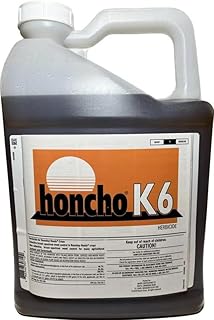
Best for: Buyers looking for a systemic, post-emergence herbicide described for weeds, brush, vines, and woody plants. The supplied features say it is absorbed through foliage and translocated through the plant, with no soil residual activity. It was selected for its broad target description, though cactus is not specifically named.
Limitation: The product’s general claims do not confirm control of a particular cactus. Confirm the label lists the plant and location, and note that “no soil residual activity” does not mean the herbicide cannot harm plants it contacts.
Buying Guide: How to Choose a Cactus Herbicide
Does the label specifically list cactus?
Start with the current product label, not a broad description such as “brush,” “woody plants,” or “weeds.” Look for the cactus species or an applicable target category, the treatment site, and the permitted method. If the label does not cover the target and site, do not use the product for that purpose. A product’s active ingredient alone is not proof of legal or effective cactus control.
Where will the plant be treated?
Check whether the area is residential, rangeland, a roadside, a non-cropland site, or another setting. Labels can limit use by location and may specify precautions around desirable vegetation, water, or people. Tordon RTU’s supplied details identify sales restrictions in several jurisdictions, so verify current state and local rules as well.
How do the listed products compare?
- For cut stumps: Tordon RTU is described for cut-stump treatment of woody plants, not specifically cactus.
- For broad vegetation management: Pathfinder II lists multiple land-management sites, but its supplied target-pest information is incomplete.
- For glyphosate options: Ranger Pro and Honcho K6 have broad weed-control descriptions. Neither supplied description confirms cactus control.
- For mesotrione: Torocity’s cactus suitability is not established by the provided details.
What safety steps matter?
Read the complete label before application and follow its protective-equipment, weather, storage, disposal, and re-entry instructions. Keep herbicides away from children, pets, and desirable plants as directed. If identification is uncertain or the cactus is near sensitive plants or water, ask a local extension office or licensed applicator about label-compliant control options.
Frequently Asked Questions
Which product here is proven to kill cactus?
None is confirmed as cactus-specific by the supplied product information. Check each current label for the cactus species and use site.
Can glyphosate kill cactus?
The listings describe glyphosate products as systemic or broad-spectrum herbicides, but do not establish cactus control. The product label must authorize the target and application.
Is Tordon RTU a cactus herbicide?
The supplied details describe cut-stump treatment for woody plants. They do not identify cactus, so verify the label before considering it.
Can I use a herbicide labeled for brush on cactus?
Not automatically. Use a product only when its label covers the target plant, site, and treatment method.
What if the label does not name my cactus?
Do not infer approval from a general weed or brush claim. Contact the manufacturer, local extension office, or a licensed applicator for guidance.