Best Herbs for Container Gardening: Top Picks for Fresh Flavor
Container gardening makes fresh herbs accessible in small spaces like balconies, kitchen windows, and patios. The right soil mix is essential for healthy roots and flavorful leaves, especially for herbs such as basil, mint, thyme, and parsley. This guide highlights four Amazon products that support container success: a natural potting mix with moisture retention, two practical gardening handbooks, and an all-natural potting soil enriched with nutrients. Use the Buying Guide to compare textures, organic options, and how each product fits your climate, sunlight, and watering routine.
| Product | Brand | Key Benefit For Herbs | Container Use |
|---|---|---|---|
| Burpee Organic Premium Potting Mix | Burpee | All-natural mix with coconut coir; instant feeding; moisture retention | Yes |
| The Old Farmer’s Almanac Vegetable Gardener’s Handbook | The Old Farmer’s Almanac | Guides for growing vegetables and herbs in containers; pest & disease insights | Guides & tips |
| The Old Farmer’s Almanac Container Gardener’s Handbook | The Old Farmer’s Almanac | Container gardening design strategies; care, harvest, and maintenance | Yes |
| Espoma Organic Potting Soil Mix | Espoma | Organic blend with mycorrhizae for robust root growth | Yes |
Best Burpee Potting Mix For Containers

The Burpee Organic Premium Potting Mix combines plant food with coconut coir to promote seed and root growth for herbs, vegetables, and flowers. OMRI Listed for organic use, it is ideal for containers and raised beds. The mix feeds plants immediately and then provides a slow-release nutrient for up to three months, supporting steady growth through herb seasons. Coconut coir helps retain moisture, reducing the need for frequent watering while avoiding soil compaction. For container herb gardens, this blend supports lush foliage and robust herbs such as basil, cilantro, and chives. The product is suitable for indoor or outdoor use, making it versatile for various herb setups.
Old Farmer’s Almanac Vegetable Gardener’s Handbook

This handbook offers step-by-step advice for success with more than 30 vegetables in any zone, and it includes soil testing basics, in-ground and container growing techniques, seed-starting and -saving methods, and pest and disease guidance. While focused on vegetables, the practical guidance applies to herb pots, emphasizing proper soil, drainage, and fertilizer practices. The book features color photos, essential reference tables, and space for notes. Readers will find tips on choosing container-friendly varieties, planning space, and harvesting herbs alongside vegetables in a single, user-friendly reference.
Old Farmer’s Almanac Container Gardener’s Handbook

Focused on container gardening, this handbook covers care, design, and harvest strategies for herbs as well as edible crops. It guides you through selecting the right pots, containers, and drainage setups, and explains how to apply water and fertilizer without overdoing it. The book promotes the thriller-filler-spiller design principle to create appealing, functional container displays while advising on disease and pest prevention. It also discusses how to size containers to plant needs and climate, helping herb gardeners maximize yields in limited spaces.
Espoma Organic Potting Soil For Containers
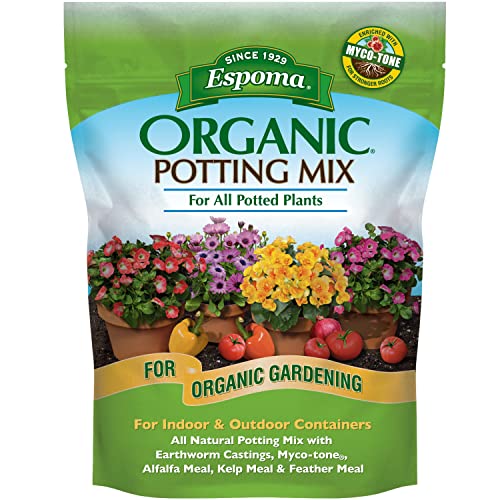
Espoma Organic Potting Soil Mix is an all-natural blend designed for indoor and outdoor containers, including herbs and vegetables. It combines sphagnum peat moss, humus, and perlite, enriched with earthworm castings, alfalfa meal, kelp meal, and feather meal. The MYCO-TONE proprietary mix of endo- and ecto-mycorrhizae promotes healthy root systems and nutrient uptake. This soil is well-suited for organic gardening, providing a balanced medium that supports consistent moisture retention and aeration for herb pots, window boxes, and small planters. It’s a reliable option for gardeners prioritizing organic ingredients and sustainable cultivation.
Buying Guide
Key considerations when selecting products for container-grown herbs focus on soil texture, moisture management, and fertilizer needs. Texture matters: a well-aerated, well-drained mix prevents root rot and supports root expansion, while moisture retention helps herbs tolerate varying irrigation schedules. Organic options with mycorrhizae can boost nutrient uptake without synthetic fertilizers, but they may cost more.
- Container size and drainage: Choose a pot with adequate drainage holes and a volume appropriate for the herb variety you grow. Smaller pots require more frequent watering and may dry out quickly.
- Soil composition: Look for ingredients that balance water retention and breathability. Coconut coir and peat blends differ in sustainability and water-holding capacity.
- Nutrient content and feeding: Some blends include slow-release nutrients, while others rely on separate feeding. For herbs, avoid over-fertilization, which can reduce essential flavor compounds.
- Mycorrhizae and organic certification: Beneficial fungi improve nutrient uptake, especially for herbs grown in containers. Organic labeling helps ensure fewer synthetic additives.
- Container materials and climate: Plastic and ceramic pots influence moisture loss. In hot or windy climates, you may need more frequent irrigation and deeper containers for larger herb varieties.
- Readiness for beginners vs. seasoned gardeners: Handbooks provide practical, step-by-step guidance, while soil mixes deliver immediate physical benefits for plant growth.
Buying decisions should balance convenience, cost, and long-term sustainability. When possible, pair a high-quality soil mix with a practical reference guide to maximize herb harvests across seasons. For herb-heavy setups, combining proper containers with an appropriate soil base can simplify maintenance while delivering flavorful results.