Best Large Plastic Trays for Hydroponics and Seed Starts
For hydroponics and seed starting, a large plastic tray with a sturdy build and reliable containment is essential. This guide highlights five top options that suit different growing setups—from indoor seed starters to multi-plant hydroponic runs. Buyers vary from hobbyists needing spill protection to professionals seeking durable, reusable trays for continuous cycles. The table below compares core features to help you pick the right tray for your space and plants.
| Product | Size (approx.) | Drain Type | Best For | Material |
|---|---|---|---|---|
| Gardeners Supply Company Large Plant Tray | 46.5″ x 15.5″ x 2″ | Leakproof, no holes | Large potting areas, humidity trays | 100% recycled plastic |
| Yield Lab 10×20 Inch Tray (No Drain Holes) | 20″ x 10″ | No drain holes | Seed starting, microgreens, hydroponics | Plastic |
| 10 Plant Growing Trays (No Drain Holes) – Living Whole Foods | 21″ x 11″ | No drain holes | Seedlings, drip tray use | Durable plastic |
| The Hydroponic City Seed Starter Trays | 216 cells (1.5″ x 2.25″ cells) | Drain holes not specified | Seedling propagation, roots development | Durable material |
| Handy Pantry 10-Pack 1020 Garden Trays | 10″ x 20″ | With drain holes | Seed starting, hydroponics, microgreens | Durable plastic |
Gardeners Supply Company Large Plant Tray

This large, durable plastic tray is designed for indoor and outdoor plant setups. It serves as a work surface for potting, a catch-all tray under seedlings, and a humidity tray for indoor plants. The 2-inch rim contains soil and water, reducing mess. Best for buyers who need a single, multipurpose tray for potting, boot trays, or protecting surfaces from damp soil.
Best for: Indoor plant enthusiasts, hobbyists with potting sheds, and entryway gardeners seeking a wide, mess-free work area. Caution: Some users may prefer trays with optional drainage for certain hydroponic systems.
Yield Lab 10×20 Inch Black Plastic Tray – No Drain Holes (10 Pack)

This 10-pack of heavy-duty trays features no-drain-hole design, making them suitable as hydroponic drip trays, propagation flats, or seed-start basins. Their durability supports repeated use in gardens, nurseries, or greenhouse runs. Choose this if you need compact, interchangeable trays for modular setups and easy cleanup.
Best for: Growers who want reusable drip trays and a modular system. Better for: hydroponic setups that rely on external drainage or separate reservoirs. Caution: No drainage may require external water management in some systems.
10 Plant Growing Trays (No Drain Holes) – Living Whole Foods

A 10-pack with no drain holes, designed for seed starting, drip tray use, and hydroponic applications. The trays offer a broad top surface and bottom measurements that fit standard shelving or tray racks. Best for gardeners who want clean, contained water flow with external drainage solutions if needed.
Best for: Seed starters and microgreens in controlled spaces. Choose this if you need a simple, drain-free base that integrates with external drainage systems. Caution: No holes means relying on secondary drainage for excess water in some setups.
The Hydroponic City Seed Starter Trays (216-Cell)
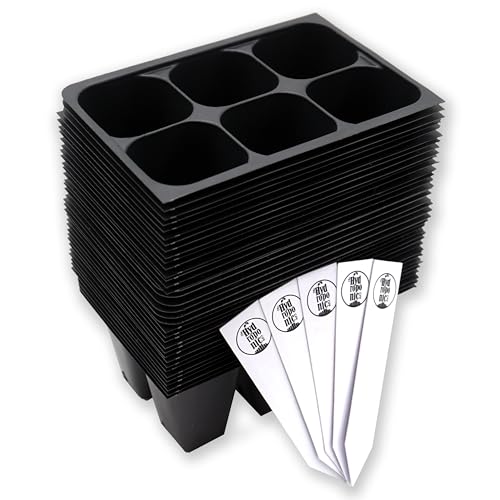
216-cell seed starter trays, each cell measuring 1.5″ square by 2.25″ deep, are designed to promote healthy root development. These trays are reusable and versatile for a range of seeds, including flowers, herbs, succulents, and vegetables. Best for large-scale seed propagation and systematic seedling starts.
Best for: Professional or serious hobby growers seeking dense seedling production. Limitation: The data does not specify drainage, which may influence compatibility with certain hydroponic setups.
Botanicare HGC707295 Low Tide Tray

Low Tide trays feature diagonal drainage grids to direct water away from growing containers and trimmed high sidewalls at about 3.5 inches. They are designed for growers needing coverage and controlled drainage in shallow-depth arrangements. Best for: hydroponic or soil-based systems that require efficient water management and containment.
Caution: This tray is specialized for specific drainage patterns; ensure compatibility with your reservoir layout before purchasing.
Buying Guide
Key considerations when choosing large plastic trays for hydroponics and seed starts:
- Drainage needs: Choose no-drain-hole trays for containment or with holes for natural drainage, depending on your system.
- Tray size and compatibility: Ensure the tray fits your shelving, benches, or hydroponic channels and leaves room for root growth.
- Durability and reuse: Look for high-quality, recyclable plastics that resist cracking and warping across cycles.
- Containment features: A deep rim (2 inches or more) helps control spills and soil movement during watering.
- Modularity: For larger systems, consider trays that come in multi-pack options for scalable setups.
- Water management: If you use drip or flood-and-drain systems, ensure trays support your drainage plan and reservoir access.
FAQ
- What tray is best for hydroponic basins with drip systems?
– Trays with drain holes or compatible drip trays are best for controlled water flow and reservoir integration. - Should I choose no-drain-hole trays for seed starting?
– Yes, no-drain-hole trays work well as drip trays or when you manage drainage with external systems. - Are large trays suitable for outdoor use?
– Yes, they can be used outdoors for soil containment, potting, and as protective surfaces, but consider UV resistance for long-term exposure. - How do I prevent spills when watering multiple plants?
– Use trays with a tall rim and place them on a protected surface; consider a boot tray for entryways if used indoors. - What should I consider about tray material?
– Look for durable, recycled plastic options that resist stains, chemicals, and weathering to extend life.