Best Insecticidal Soap for Indoor Plants: Safe, Effective Pest Control Options
Answering the question: the best insecticidal soaps for indoor plants are ready-to-use sprays that kill soft-bodied pests on contact while being gentle enough for houseplants. This guide focuses on products that work indoors, are easy to apply, and avoid damaging foliage. The top picks here are best for: apartment gardeners, beginners, and anyone seeking a simple, eco-friendly pest solution for houseplants. Below is a quick summary of five strong options, followed by in-depth product details and a practical buying guide.
| Product | Best For | Why Pick It |
|---|---|---|
| Garden Safe Brand Insecticidal Soap | Indoor and greenhouse use; beginners | No mixing; spray directly; organic gardening readiness |
| Bonide Insecticidal Soap (32 oz Ready-to-Use) | All-purpose home garden pests; large indoor plants | Direct-contact kill; versatile for numerous pests |
| Bonide Captain Jack’s Insecticidal Super Soap | Outdoor-adjacent houseplants; comprehensive pest control | Kills via contact and ingestion; broad species range |
| Safer 5118-6 Insect Killing Soap Concentrate | Frequent treatment; organic-friendly | Concentrate option; broad soft-bodied pest control |
| NATRIA Insecticidal Soap for Plants Indoors | Ready-to-use indoor spray; easy for first-timers | Ready-to-use bottle; effective on common pests |
Bonide Insecticidal Soap, 32 oz Ready-to-Use
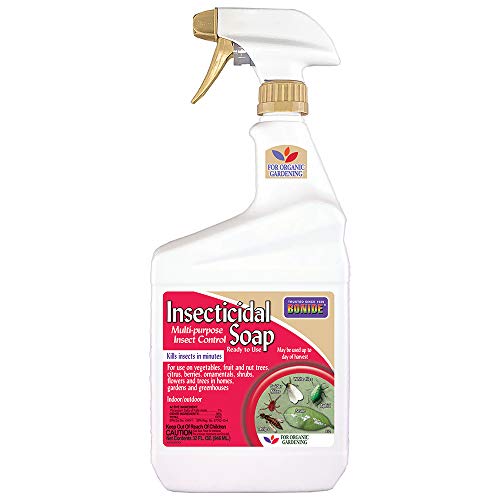
This ready-to-use spray is designed for versatile indoor and outdoor pest control. It targets a wide range of pests including aphids, whiteflies, spider mites, thrips, and more. Best for larger indoor plants and mixed indoor/outdoor setups where strong, direct-contact action is needed. The product kills through direct contact and leaf surface ingestion, making it effective against feeding pests. Use with caution on delicate foliage to avoid leaf burn on sensitive plants.
Garden Safe Brand Insecticidal Soap Insect Killer, 32 Fl Oz

This ready-to-use soap emphasizes simplicity with no mixing required, making it ideal for beginners and busy indoor gardeners. It is suitable for use in homes, greenhouses, and on edible plants up to harvest. For best results, thoroughly spray all plant surfaces, including the undersides of leaves, ensuring direct contact with pests such as aphids and whiteflies.
Bonide Captain Jack’s Insecticidal Super Soap, 32 oz

This soap provides pest control for a broad spectrum of insects including aphids, caterpillars, spider mites, and more. It is designed for outdoor residential use but is often used on garden-adjacent indoor plants and greenhouses. It kills through direct contact and by ingestion, offering a dual-action approach. Best for outdoor-adjacent indoor setups or plants exposed to outdoor conditions; avoid on extremely sensitive foliage type without testing first.
Safer 5118-6 Insect Killing Soap Concentrate
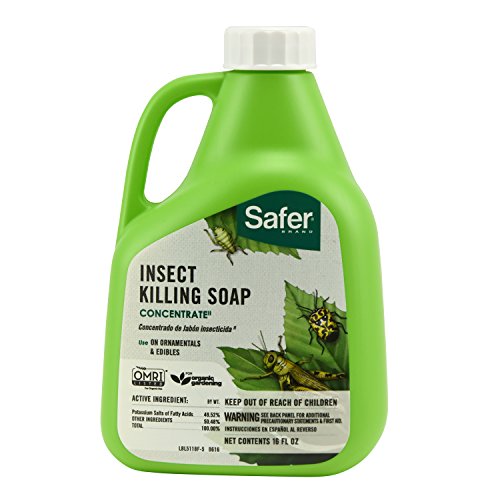
This concentrate is versatile for indoor and outdoor use and OMRI-listed for organic gardening. It targets a variety of soft-bodied pests, including aphids, whiteflies, mealybugs, and spider mites. It is best used as part of an ongoing program, sprayed on the affected areas every 5-7 days while pests are present. Consider the concentrate if you prefer mixing your solution and want a cost-per-use option.
NATRIA Insecticidal Soap for Plants Indoors

Natria’s ready-to-use formula offers straightforward application for indoor pest control, targeting aphids, mealybugs, mites, whiteflies, and more. It is especially convenient for beginners and households seeking an easy, no-muss solution. Best for regular maintenance on houseplants and herbs without complex mixing or special equipment.
Buying Guide: Insecticidal Soap For Indoor Plants
What to consider when choosing an indoor insecticidal soap:
- Pest profile: Determine which pests you commonly see (aphids, mites, whiteflies, mealybugs) to pick a product with proven efficacy against those species.
- Form: Ready-to-use sprays are simplest, while concentrates can reduce cost per use but require mixing.
- Plant safety: Some soaps can cause leaf burn on sensitive varieties. Test on a small leaf area before full application.
- Indoor vs. greenhouse use: Some formulas are labeled for indoor use only, while others are designed for both indoor and outdoor environments.
- Application timing: Apply when pests first appear and reapply every 5-7 days as needed, especially during growth spurts.
- Organic compatibility: If you prefer organic gardening, check OMRI listing or explicit organic-use labeling.
Frequently Asked Questions
- Are insecticidal soaps safe for houseplants? Yes, when used as directed. Test on a small leaf area first to prevent potential phytotoxicity on sensitive species.
- Do these soaps kill eggs or larvae? They primarily kill on contact with nymphs and nymphal stages; some species may be resistant to certain life stages.
- Can I use insecticidal soap on edible houseplants? Many products are labeled for edible crops; follow label directions and spray only the foliage, avoiding fruit surfaces if advised.
- How often should I reapply? Reapply every 5-7 days while pests are present and growing. Increase frequency during heavy infestations as needed.
- Is mixing required? Some products are ready-to-use; others are concentrates that require dilution. Always follow the product’s label for mixing ratios and safety.
- Can I use these products with beneficial insects nearby? It’s best to avoid broad residential insecticide spray near beneficial insects; use targeted applications and consider timing to minimize impact.