Best Italian Stone Pine Seeds for Your Garden and Kitchen Garden
Yes, Italian Stone Pine seeds are a smart pick for home gardeners and edible landscaping. This guide helps buyers choose seeds that suit climate, space, and culinary goals. The top picks below cover ornamental appeal, edible pine nuts, and reliable growth in warm coastal or Mediterranean-inspired landscapes. Each product is selected for practicality, seed quality, and how well it fits different growing situations.
Buyer types this selection serves best:
– Home gardeners seeking edible harvests and evergreen canopy.
– Small-space landscapers needing drought tolerance and unique silhouette.
– Mediterranean-climate enthusiasts aiming for ornamental trees with edible benefits.
– Beginners wanting reliable seed-to-seedling options with useful guarantees.
| Product | Best For | Notes |
|---|---|---|
| Big Pack – Italian Stone Pine Seeds (MySeeds.Co) | Edible nuts, non-GMO seeds, hardy zones 7-11 | Bulk option with non-GMO seeds |
| Italian Stone Pine Seedling (Jonsteen) | Immediate canopy, Mediterranean look | Seed-grown nursery seedling |
| TomorrowSeeds Stone Pine Seeds | Flavor-focused pine nuts, drought-tolerant | 30+ count, 2026 planting |
| 5 Pine Nut Italian Stone Pine Seeds | Ornamental + edible nut production | Majestic canopy, careful spacing |
| Pinus pinea Tree Seeds (MySeeds.Co, 1 oz) | Balanced ornamental and culinary uses | Input on tree size and ecological role |
Big Pack – Italian Stone Pine Seeds

What it is: A bulk pack of Italian Stone Pine (Pinus pinea) seeds. Features include non-GMO seed products and storage in temperature-controlled facilities. This option targets gardeners who want to plant multiple trees or establish a grove. The seeds are suitable for growing in zones 7–11, aligning with warm coastal or Mediterranean climates.
Best for: Gardeners planning a larger planting project or those prioritizing non-GMO seed profiles. It suits buyers seeking quantity, long-term usability, and potential for a home canopy with edible pine nuts.
Why chosen: It emphasizes seed quality and storage practices, which helps seed viability across seasons. The cold-hardiness range broadens geographic compatibility for American buyers in warmer regions.
Caution: Bulk seed viability can vary; germination rates depend on storage conditions and proper stratification or sowing methods after receipt.
Italian Stone Pine Seedling From The Jonsteen Company

What it is: A ready-to-grow small tree seedling of Italian Stone Pine, offering a quick start into a Mediterranean canopy. Jonsteen’s seedling program emphasizes seed-grown cultivation and a California nursery environment.
Best for: Buyers who want faster canopy and a head start on pine nut production, or those seeking a visually striking umbrella-shaped pine in a landscape.
Why chosen: Seedlings reduce germination uncertainty and provide a more predictable growth path compared to starting from seed alone.
Limitations: Limited stock or replacement terms may apply if plant health issues arise during shipping or early establishment. Replacement options exist, but shipping costs may apply.
TomorrowSeeds Stone Pine Seeds
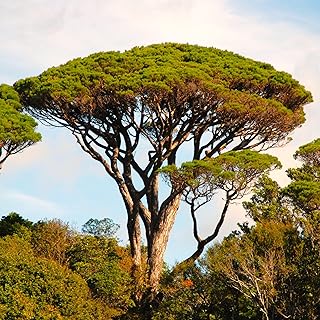
What it is: A 30+ count seed offering designed for 2026 planting, focusing on Pinus pinea, the umbrella pine, and its edible pine nuts. The product emphasizes ornamental value alongside edible nut production.
Best for: Gardeners seeking an all-purpose pine with drought tolerance, a striking canopy, and the potential for home culinary use.
Why chosen: The list highlights drought resilience once established, making it suitable for warmer climates with occasional dry spells.
Limitation: As with many pine seeds, nut production depends on mature trees; initial years focus on growth and establishment rather than immediate yields.
5 Pine Nut Italian Stone Pine Seeds

What it is: A collection of five pine nut Italian Stone Pine seeds designed to deliver a substantial canopy with edible pine nuts. The description highlights maximum height and spacing to support healthy growth.
Best for: Gardeners who want a visually impressive, tall evergreen with edible nuts and a defined umbrella silhouette.
Why chosen: The product’s emphasis on final tree size (40–80 feet) and spacing helps buyers plan landscaping and nut production with clarity.
Limitation: Requires ample spacing (20–40 feet between trees) to realize the preferred canopy shape, which may not suit very small plots.
Pinus pinea Tree Seeds, Edible Pine Nuts

What it is: A batch of Pinus pinea seeds produced by MySeeds.Co, marketed with the option to choose the amount. The notes emphasize Mediterranean origin and high-quality flavor in pine nuts.
Best for: Buyers who want a concrete botanical profile, including ecological considerations like habitat and erosion control in coastal areas.
Why chosen: It gives a clear botanical reference and origin, aiding gardeners who value Mediterranean-adapted seeds.
Caution: Seed origin and handling may influence germination; ensure appropriate planting depth and stratification when required.
Buying Guide
Key considerations when selecting Italian Stone Pine seeds:
- Climate compatibility: Italian Stone Pine thrives in hardiness zones 7–11 and prefers full sun and well-draining soil. Assess your local climate and summer heat tolerance before purchasing.
- Seed type and start method: Decide between bulk seeds, potted seedlings, or smaller seed batches. Seedlings offer faster canopy but higher upfront cost, while seeds provide long-term growth and cost efficiency.
- Nut production expectations: If the goal is edible pine nuts, factor in several years of growth before nuts appear. Nut production often correlates with tree age, spacing, and pollination.
- Space and landscape design: Consider mature height and canopy shape (umbrella form) to ensure adequate spacing and visual impact in your yard or garden.
- Non-GMO and origin: Some buyers prefer non-GMO seeds or seeds sourced from Mediterranean regions. Check product notes on origin and seed treatment.
- Storage and handling: Seeds stored in controlled facilities may retain viability longer. Proper storage upon arrival improves germination rates.
Frequently Asked Questions
- Do Italian Stone Pine seeds produce edible pine nuts from home gardens?
- What climate zone is best for Italian Stone Pine seeds?
- Should I start with seeds or a seedling?
- How far apart should Italian Stone Pines be planted?
- Are there any cautions with these seeds?
- Do these seeds require special care after planting?
Yes, Italian Stone Pine seeds can grow into trees that produce edible pine nuts, typically after several years of growth and proper care.
The ideal hardiness range is zones 7–11, with full sun and well-draining soil.
Starting with seeds is cost-effective for large plantings, while seedlings provide a quicker canopy and may be preferable for smaller projects or quicker aesthetic impact.
For mature canopy shape, spacing is typically 20–40 feet between trees, depending on intended density and landscape design.
Germination rates vary by seed lot and storage. Follow specific sowing instructions and be prepared for delayed germination in some batches.
New plantings benefit from full sun exposure, regular but moderate watering as established, and protection from extreme drought during establishment.