Best James Grieve Apple Tree Guide for Home Orchards
If you’re seeking a reliable apple tree for a home orchard or container growing, this guide helps you pick the best options for James Grieve enthusiasts. James Grieve is a classic early-bearing apple variety, so the selections below focus on trees that align with crisp fruit, manageable sizes, and suitable climate zones. This article identifies who each top product is best for, with clear pros and any limitations. The buyer-friendly table offers quick comparisons to help you decide.
| Product | Best For | Notes |
|---|---|---|
| Golden Dorsett Apple Fruit Tree | Small yards and beginners | Golden-yellow fruit with crisp sweetness; restricted shipment to certain states |
| Granny Smith Apple Tree | Fans of tart, versatile apples | Moderate mature height; shipping restricted to some states |
| Apple, Plum & Pear Trees (3-Pack) | Diversified backyard orchard | Includes apple among other fruit trees; good for beginners |
| Red Rose Apple (Syzygium jambos) Fruit Tree | Tropical fruit variety lovers | Different species; ornamental and edible fruit in tropical climates |
| Artificial Fruit Tree Potted Plant | Decorative indoor greenery | Non-living option; for aesthetics only |
Golden Dorsett Apple Fruit Tree

Best for gardeners seeking a compact, early-bearing apple tree with striking golden fruit. This deciduous tree thrives in well-drained, loamy soil with a slightly acidic to neutral pH. It is suited for smaller spaces and container growing, making it ideal for urban backyards or patio planters. The main limitation is plant shipping restrictions to certain states due to agricultural laws, so verify eligibility before purchase.
Who it’s for: beginners and homeowners who want a distinct, sweet-tasting apple with an attractive color. Why selected: proven flavor profile and manageable size support easy harvests in small spaces.
Caution: Orders to CA, AZ, AK, or HI will be canceled per policy. Ensure your location is eligible before ordering.
Apple, Plum & Pear Trees (3-Pack) – Dwarf Fruit Trees

Best for a quick-start backyard orchard with three fruit types. This 3-pack includes an apple tree along with plum and pear varieties, providing diversity and a broader harvest window. The trees are described as dwarf, which can help with space management and easier pruning. Soil preparation and proper transplanting are key for successful establishment.
Who it’s for: homeowners who want a small, diverse fruit garden without buying separate trees. Why selected: convenience of a bundled option and immediate variety in a single planting area.
Caution: As with all live fruit trees, successful establishment depends on local climate and aftercare; verify your site’s chilling hours and frost risk.
Granny Smith Apple Tree
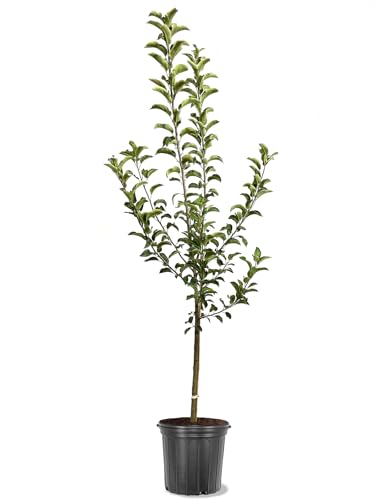
Best for lovers of tart, versatile apples that shine in baking and fresh eating. The Granny Smith tree is a classic, known for robust flavor and adaptability to a range of climates. Mature height is typically in the 12-15 feet range, which helps in planning orchard layout. Shipment restrictions apply to CA, AZ, AK, and HI, so confirm eligibility before ordering.
Who it’s for: gardeners seeking a traditional, widely loved apple with reliable vigor. Why selected: established cultivar with broad culinary appeal and solid harvest potential.
Caution: Check local growing zones and winter protection needs, as extreme climates can impact fruiting cycles.
Apple, Plum & Pear Trees (3-Pack) – Dwarf Fruit Trees (6 Pack)
Best for expanding a suburb or backyard orchard with minimal space per tree. This 6-pack arrangement features two sets of the same trio—apple, plum, and pear—facilitating higher yields and a staggered harvest. It suits gardeners who want multiple fruit options without sourcing several individual varieties. Limitations include ongoing care for multiple young trees and ensuring adequate root space.
Who it’s for: growers seeking consistency in care routines and harvest planning across multiple trees. Why selected: scalable planting option for larger home gardens.
Caution: Monitor root competition and ensure you have adequate sun exposure across all trees to maximize fruiting potential.
Sugar Apple Live Fruit Tree

Best for tropical fruit enthusiasts seeking a non-temperate option. The Sugar Apple, also known as sweetsop, is a tropical tree that thrives in full sun with well-drained soil. While not a James Grieve or traditional apple, it expands a fruit garden with a contrasting climate preference. It may not suit cold regions or standard orchards in temperate zones.
Who it’s for: tropical climate gardeners who want an additional, exotic fruit option. Why selected: introduces a different fruiting cycle and flavor profile to a home collection.
Caution: Confirm climate suitability, as this tree prefers warmer, frost-free areas.
Artificial Fruit Tree Potted Plant

Best for decorative spaces and seasonal displays. This artificial apple tree stands 15.7 inches tall with a built-in cement base for stability. It does not produce fruit and is intended for interior decor. Suitable for homes or offices requiring a non-living greenery accent.
Who it’s for: interior designers or shoppers needing year-round decor without gardening maintenance. Why selected: high realism and sturdy base plus low upkeep.
Caution: Not a live plant; do not expect any fruit or growth, and place away from high-heat areas to maintain color and texture.
Buying Guide: Key Purchase Considerations
- Plant type and climate: Favor temperate, early-bearing varieties for James Grieve alignment. Check USDA zones for each cultivar before buying.
- Size and space: Decide between standard, dwarf, or multi-pack options to fit available garden space or containers.
- Soil and sun: Most fruit trees prefer well-drained soil and full sun. Prepare soil with compost and test pH for best results.
- Shipping restrictions: Several listed items have state shipping limitations due to agricultural laws. Confirm eligibility to avoid cancellations.
- Care and maintenance: Young trees require regular pruning, watering, and occasional fertilization to establish roots and encourage fruiting.
- Diversity vs. monoculture: A mix of apple, plum, and pear trees can extend harvest windows and reduce pest pressure through diversity.
FAQ
- What climate is best for James Grieve apples? James Grieve trees perform well in temperate climates with cold winters and moderate summers.
- Are dwarf apple trees easier to manage? Yes, dwarf varieties are typically more suitable for small gardens and container growing.
- Do these products ship to my state? Some items have agricultural shipping restrictions; verify eligibility during checkout.
- Can I grow apples in containers? Yes, choose dwarf varieties and use large, well-draining pots with proper root space.
- When should I prune newly planted trees? Prune within the first growing season to establish a strong structure and remove competing growth.
- Do artificial fruit trees require maintenance? No, artificial trees are for decoration and never produce fruit or require watering.