Best Japanese Purple Tree Peony Inspired Garden Picks for 2026
Answering the search for Japanese-inspired purple tree peony options, this guide highlights five selections that fit a “tree peony” or tree-like flowering aesthetic with purple-tinged blooms or peony-family appeal. These picks are suitable for gardeners seeking drama, height, and elegant spring color. They’re best for medium to large gardens, ornamental borders, and landscape focal points. The table below summarizes each option’s core fit and ideal use.
| Product | Best For | Why It Stands Out |
|---|---|---|
| Seedville Tree Peony Mountain Paeony | Garden beds and shrub borders | Vibrant mixed colors; huge 6–10″ blooms; tall 3–5+ ft presence |
| 60 Peony Seeds Fragrant Mixed Purple Pink Rose Red White Moutan Shrub | Large, long-lived tree peony look from seeds | Mix of purple/pink/rose colors; robust shrub potential |
| TomorrowSeeds Japanese Cherry Blossom Tree Seeds | Ornamental focal point with Japanese flair | Breathtaking spring blossoms and pollinator appeal |
| Kwanzan Japanese Flowering Cherry Tree | Seasonal color and vertical interest | Abundant double pink flowers in spring |
| 50 Purple Lilac Seeds Japanese Tree Lilac | Fragrance-driven landscape feature | Hardy, fragrant clusters; adaptable as shrub or small tree |
Seedville Tree Peony Mountain Paeony

Product overview and intent: Tree peony seeds designed to deliver a dramatic flowering shrub display with mixed color blooms. Best for gardeners aiming to establish a striking focal point in sunny or partially shaded borders.
- Vibrant variety: Red, Pink, White, Purple, Yellow, and Bicolor blooms for a dynamic garden show.
- Impressive size: Large double blooms (6–10″ across); plants reach 3–5+ feet tall with 4–6+ feet spacing.
- Seasonal beauty: Blooms primarily in Late Spring to Early Summer, extending color in the landscape.
Who this is best for: Gardeners seeking bold, showy blossoms and a tall, evergreen-feel shrub texture. It’s ideal for large borders or entryways where a dramatic annual display is desired.
What to watch: As with many tree peonies grown from seeds, bloom timing and exact color outcomes can vary; prepare for a longer establishment period before full bloom.
60 Peony Seeds Fragrant Mixed Purple Pink Rose Red White Moutan Shrub

Product overview and intent: A collection of peony seeds promising large, fragrant blooms in a mix of purple, pink, rose, red, and white. Suitable for creating a lush tree peony-like display in outdoor spaces.
- Tree peony-paeonia suffruticosa family alignment; intended for outdoor planting and year-over-year bloom cycles.
- Perennial expectations: Plants will mature into substantial shrubs with lush foliage.
- Best for: Gardeners who want a variety in color and texture, with a longer-term bloom strategy across seasons.
What to watch: Seed-grown trees may take longer to establish and bloom compared with nursery-established plants; ensure proper soil drainage and sun exposure.
TomorrowSeeds Japanese Cherry Blossom Tree Seeds

Product overview and intent: Plant seeds that yield a classic cherry blossom tree with pink blossoms, providing a Japanese-inspired focal point in any landscape.
- Spring blossoms: Creates a seasonal spectacle and attractive canopy.
- Pollinator friendly: Attracts bees and butterflies, supporting garden biodiversity.
- Best for: Landscapes seeking elegant vertical accent with cultural seasonal color.
What to watch: This option emphasizes cherry blossom aesthetics rather than peony texture; consider planting alongside peony varieties for contrast.
Kwanzan Japanese Flowering Cherry Tree
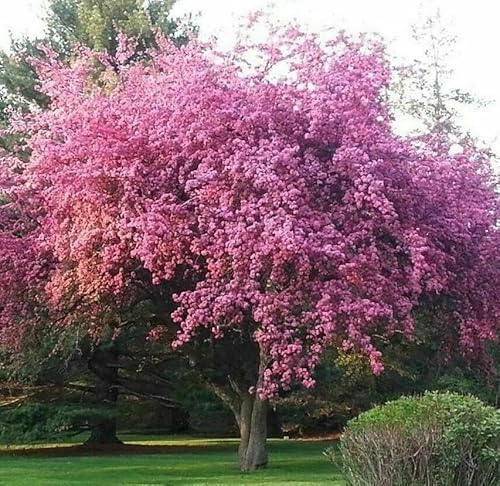
Product overview and intent: Live cherry tree featuring abundant double pink blossoms in spring, contributing a refined vertical element to landscapes.
- Japanese styling: Strong cultural association with ornamental cherry landscapes.
- Seasonal color burst: Springtime bloom performance that landscape designers often seek.
- Best for: Gardens prioritizing visual impact from a singular, large flowering tree.
What to watch: This is a cherry tree, not a peony; pairing with peony plantings can create complementary seasons and textures, but do not expect peony-like flower forms from this specimen.
50 Purple Lilac Seeds Japanese Tree Lilac

Product overview and intent: Fragrant lilac seeds ideal for creating a hardy, fragrant landscape feature with tree-like potential.
- Hardy and fragrant clusters: Classic lilac scent and abundant blooms.
- Perennial versatility: Can be pruned into a shrub or small tree; easy maintenance profile.
- Best for: Fragrance-focused plantings and pollinator-friendly borders.
What to watch: Lilacs thrive in well-drained soil and full sun; they may take a few seasons to reach full flowering maturity from seed.
Buying Guide: Choosing Japanese Purple Tree Peony-Inspired Plants
- What is your target bloom form? If you want large, peony-like blooms, prioritize tree peony varieties or seed collections that promise large blossoms and vertical shrub structure.
- How much space do you have? Tree peonys and large shrubs need room. Plan spacing around 4–6 feet for mature shrubs to avoid crowding and ensure air flow.
- Single-season vs multi-season appeal: Peonies offer impressive late spring to early summer color. Cherry trees deliver seasonal canopy color in spring; lilacs add fragrance and longer bloom windows. Consider a mix for year-round interest.
- Soil and sun requirements: Most tree peony seeds and related shrubs prefer well-drained soil and full sun to partial shade. Ensure site preparation with organic matter and proper drainage to support healthy growth.
- Seed vs nursery plants: Seed-grown trees may require more time to bloom and show variability in color and shape. Nursery plants often provide quicker, more predictable blooms but at a higher upfront cost.
- Pollinator impact: If biodiversity is a goal, incorporate plants that attract bees and butterflies, such as lilacs and cherry blossoms in rotation with peonies.
Frequently Asked Questions
- What makes a tree peony different from a standard peony? Tree peonies grow as woody shrubs with larger, longer-lived blooms and a tree-like structure, often blooming later in spring than herbaceous peonies.
- Do seeds reliably grow into blooming plants? Seed-grown peonies can take several years to reach full bloom and may vary in flower color and form; genetic variation can influence outcomes.
- Are cherry trees good companions for peonies? Yes, they offer contrasting bloom times and textures, enriching a garden with seasonal visual interest.
- Can lilacs be planted with peonies? Yes. Lilacs provide fragrance and early-season color, complementing peony blooms later in spring.
- What maintenance do tree peonies require? They prefer well-drained soil, full sun to partial shade, and regular pruning after bloom to maintain shape and health.
- When should I plant these seeds or young trees? Plant tree peony seeds in appropriate seasons per local climate guidance; cherry and lilac seeds or saplings are typically planted in early spring or fall depending on region.