Best Japanese Red Maple Seedling Guide for Gardeners
Find the right Japanese red maple seedling for your landscape goals. This guide highlights top choices for fresh planting, whether you want immediate starter trees, bonsai candidates, or a seed-based approach. Best for homeowners creating layered color, bonsai hobbyists, and growers seeking easy transplanting methods. The table below compares five solid options to help you decide quickly.
| Product | Type | Best For |
|---|---|---|
| 3-Pack Japanese Red Maple Seedlings (12-18″ Tall) | Seedlings | Layered landscape displays; quick color in spring through fall |
| 2 Red Japanese Maple Tree Seedlings for Planting | Seedlings | Landscape planting; faster establishment than seeds |
| 1 Red Japanese Maple Tree Seedling for Planting | Seedling | Compact bonsai-ready starter; strong color potential |
| 25PCS Red Japanese Maple Tree Seeds Acer Palmatum | Seeds | Bonsai if started indoors; ornamental shade potential |
| 25-30+ Red Japanese Maple Tree Seeds (Acer Palmatum) Bonsai | Seeds | Indoors or outdoor seed-based cultivation; attractive foliage |
3-Pack Japanese Red Maple Seedlings (12-18″ Tall) – Dormant Bare Root Trees

Product Type: Seedlings. Best for homeowners who want an immediate layered landscape effect with three young trees. This bundle provides three 12-18 inch dormant trees, ideal for quick establishment once transplanted. The dormant shipment increases transplant survival and root establishment, making it a strong choice for beginners and seasoned gardeners alike. Suitable for creating a dynamic shady display along walkways or borders.
Who it’s best for: gardeners seeking an easy, rapid-light display with a coordinated color shift across multiple trees. This option is better for those who want visible color sooner than seed germination timelines.
Limitations: Dormant bare-root plants require careful handling and rehydration at planting time to ensure roots recover quickly.
30pcs Red Japanese Maple Tree Seeds (Acer Palmatum Atropurpureum)

Product Type: Seeds. Best for gardeners interested in growing trees from seed and exploring bonsai potential. The seeds promise burgundy-red foliage when mature, offering a slow but rewarding path to a striking specimen. Seed germination is influenced by temperature and moisture, so patience and proper seed-starting conditions are key.
Who it’s best for: those who enjoy hands-on propagation and are open to longer timelines before full color payoff. Choose this if you want to grow multiple plants from seed with bonsai prospects.
Limitations: Seed germination can vary; success depends on proper stratification, moisture control, and light requirements.
2 Red Japanese Maple Tree Seedlings for Planting

Product Type: Seedlings. Best for homeowners who want quick landscape impact with a smaller planting footprint. These 12-inch-tall seedlings offer a faster route to visible red foliage compared with seeds, while allowing for careful spacing and design flexibility.
Who it’s best for: buyers seeking reliable, ready-to-plant options that reduce germination uncertainty and speed up initial color display. Choose this if you prefer established plants over seeds.
Limitations: Seedling availability may vary by season; ensure proper acclimatization after delivery to minimize transplant shock.
25PCS Red Japanese Maple Tree Seeds Acer Palmatum
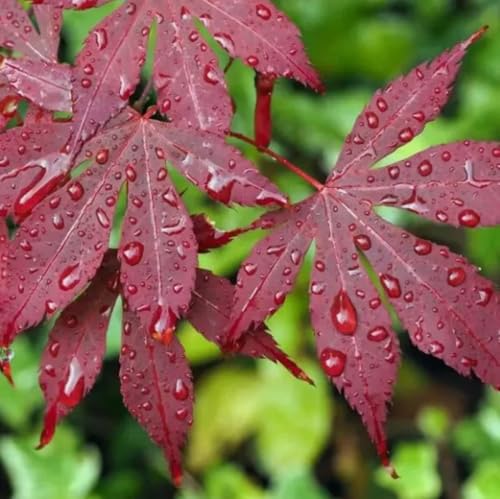
Product Type: Seeds. Best for bonsai enthusiasts and ornamental growers who prefer seed-based cultivation with potential for indoor training. The seeds are marketed for fast-growing prospects and ornamental value when grown into small, carefully pruned trees.
Who it’s best for: buyers aiming to develop a bonsai collection or a decorative shade plant from seed. Choose this if you’re comfortable managing seed germination and pruning for scale.
Limitations: Seed germination results depend on proper stratification and ongoing care; outcomes can vary with growing conditions.
1 Red Japanese Maple Tree Seedling for Planting

Product Type: Seedling. Best for bonsai material and compact landscapes. This 12-inch-tall seedling offers a focused color starting point, with growth that remains relatively slow, making it suited for careful shaping and long-term planning.
Who it’s best for: gardeners seeking a single, manageable specimen for a focal point in a small yard or balcony garden. Choose this if you want to start a bonsai project slowly.
Limitations: Single seedlings take longer to create a color display compared with multi-tree plantings; pairing with complementary plants can help aesthetic balance.
Buying Guide
What to consider when choosing a Japanese red maple seedling or seeds:
- Plant type: Seedlings provide quicker initial color and structure; seeds offer longer cultivation paths with bonsai potential.
- Growth rate: Japanese maples grow slowly; plan for several years before full canopy color develops.
- Site conditions: Full to partial sun, well-drained soil, and protection from harsh winds support red maple health.
- Hardiness: Check local climate compatibility; some cultivars tolerate colder winters better than others.
- Transplant timing: Dormant bareroot seedlings transplant best in cool, moist conditions during dormancy.
- Care requirements: Regular watering, mulching, and light pruning help maintain vibrant foliage and shape.
Frequently Asked Questions
- Are Japanese red maples hard to grow from seeds? Seeds require proper stratification and moisture; success varies with conditions.
- Is a seedling faster to establish than seeds? Yes, seedlings often establish quicker and show color sooner after planting.
- Can maples be grown indoors? Maples can be trained as bonsai indoors with adequate light, humidity, and airflow.
- What soil is best for Japanese maples? Well-drained, slightly acidic to neutral soil supports healthy color and growth.
- Do maples need full sun? They prefer partial sun to preserve vivid red foliage; too much heat can stress color.
- How should I plant bare-root maple seedlings? Rehydrate, plant at the correct depth, and provide consistent moisture during establishment.