Best Junipers for Ground Cover: Low-Growing, Drought-Tolerant Evergreens
Ground-cover junipers bring year-round color, drought resilience, and erosion control to sunny landscapes. The following five selections are compact, evergreen options ideal for slopes, rock gardens, and beds that demand low maintenance. All are well suited to warm American climates, with strong performance in drought and heat. Each entry provides a concise overview, core growing traits, and practical care tips to help you pick the best juniper for ground cover.
| Product | Brand | Key Benefit | Size / Spread | Sun |
|---|---|---|---|---|
| Blue Pacific Juniper Ground Cover | Florida Foliage | Dense, heat-tolerant blue-green foliage | 2–3 ft spread; 6 in tall | Full sun |
| Blue Rug Juniper Ground Cover | Florida Foliage | Trailing, silver-blue evergreen foliage | Groundcover; size not listed | Full sun |
| Blue Sargent Juniper Ground Cover | Florida Foliage | Low-maintenance evergreen with ground-covering spread | Low-growing, broad spread (groundcover) | Full sun |
| Blue Pacific Juniper Shrub | PERFECT PLANTS | Fast-growing ground cover with dense green needles | 2–4 ft per year; 1 gallon pot size per listing | Full sun |
| Bar Harbor Juniper Ground Cover | Florida Foliage | Very low growth, bluish foliage with strong coastal tolerance | 4–6 in tall; up to 8 ft spread | Full sun |
Blue Pacific Juniper Ground Cover
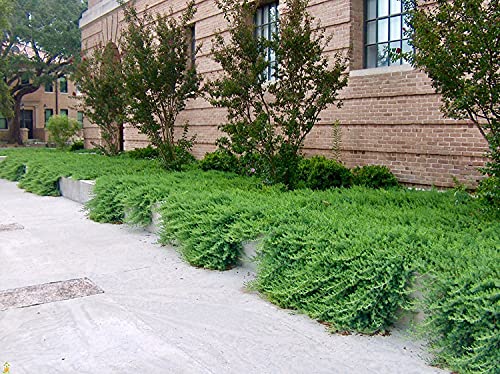
Blue Pacific forms a dense, low-spreading mat with blue-green needles that maintain color through winter. This cultivar is noted for heat tolerance, making it well suited to hot, inland sites where many evergreens struggle to stay compact. It excels as a ground cover along borders, in mass plantings, or as a single specimen in sunny areas. Its natural, unpruned form provides a tidy look while minimizing maintenance. For best results, plant in well-drained soil and provide regular irrigation during the establishment phase to promote a robust root system.
After establishment, Blue Pacific requires less frequent watering, though periodic deep watering during prolonged dry spells helps maintain vigor. Pruning is optional and typically limited to edge shaping a couple of times a year to keep the center full. This juniper tolerates heat and drought once established and remains visually appealing year-round, with dense foliage that reduces soil erosion on slopes and banked beds.
Blue Rug Juniper Ground Cover

Blue Rug Juniper is celebrated for its trailing, uniform growth and silver-blue evergreen foliage. It creates a dense, cascading mat suitable for large-scale groundcovers or draping over walls. The foliage remains a consistent silver-blue color, with a slight purple cast in extremely cold winters. This variety is prized for low maintenance and a strong, year-round presence in sunny gardens. For care, provide a regular watering schedule during establishment, followed by periodic watering, particularly in drought conditions. Pruning should occur mainly during early growth to encourage branching and fullness.
Culture considerations include full sun exposure and well-drained soil. While it tolerates heat, its appearance benefits from good soil prep and adequate moisture during the first growing seasons. Once established, it forms a stable ground cover that complements rock gardens, dry slopes, and pathways, helping to control erosion and define garden rooms with a soft, silver-toned backdrop.
Blue Sargent Juniper Ground Cover
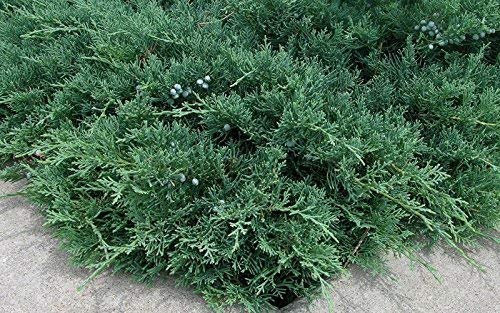
Blue Sargent Juniper (Juniperus Chinensis Var. Sargentii Glauca) is a low-maintenance evergreen that thrives as a ground cover. It is best pruned in late winter after the risk of extreme cold has passed. Deer typically avoid this plant, contributing to its low-maintenance appeal in gardens where nibbling by wildlife is a concern. Its bluish-gray needle-like foliage and wide, spreading habit make it a reliable year-round feature for erosion control in sunny, dry locations, with a classic evergreen presence that designers appreciate for naturalistic landscapes.
For care, plant in full sun with a regular watering schedule during establishment. Once rooted, it tolerates drought with less frequent irrigation. This cultivar is well-suited for erosion control and slopes, offering a durable ground-cover option that requires minimal pruning while maintaining a clean, low profile throughout the seasons.
Blue Sargent Juniper Ground Cover (60 Live)
This listing features a larger quantity of the same Blue Sargent cultivar, offering a more extensive option for covering expansive sunny areas. The plant remains a low-growing evergreen with a broad, spreading habit, ideal for erosion control and year-round color. Maintains bluish-gray foliage and a compact footprint when pruned and managed. Like other junipers, it benefits from full sun and well-drained soil. Regular irrigation during establishment is important, after which drought tolerance improves, reducing maintenance needs in hot climates.
In landscape design, this cultivar supports naturalistic plantings, slopes, and dry sections where a dependable evergreen blanket is desired. It pairs well with stonework, soil stabilization features, and other low-growing perennials that complement its cool-toned foliage. Minimal pruning preserves the natural form, while edge trimming can sharpen the lawn-to-bed transition without sacrificing fullness.
Blue Pacific Juniper Shrub

Perfect Plants’ Blue Pacific Juniper Shrub is described as a fast-growing ground cover with a trailing evergreen habit and dense green needles that convey a blue-green effect in sunlit spots. Growth rates of 2-4 feet per year support rapid coverage of beds and slopes, particularly in USDA zones 6-9. This cultivar is effectively a dwarf creeping vine that quickly fills spaces, delivering a reliable evergreen backdrop for pathways, rock gardens, and coastal landscapes where heat and drought tolerance are valued traits.
Care guidelines emphasize regular watering during establishment to build a robust root system, followed by tolerance of periodic drought. It thrives in full sun and well-drained soil. Pruning is optional but can help manage shape and density if desired. Given its rapid growth, thoughtful spacing at planting ensures a uniform blanket of foliage that reduces weed competition and stabilizes soil in exposed areas.
Bar Harbor Juniper Ground Cover

Bar Harbor is a creeping juniper that stays exceptionally low—typically 4-6 inches tall—with a broad, blue-green to bluish foliage that can turn a pronounced purple in winter. It grows best in full sun and tolerates dry, sandy soils, hot conditions, and some city pollution. The cultivar also demonstrates strong tolerance to salt spray, making it a solid choice for coastal gardens. Its wide spreading habit, up to about eight feet, provides dense ground coverage and effective erosion control on slopes and in rock gardens.
Bar Harbor requires minimal maintenance; it fills in without the need for facer plants in front. During establishment, ensure regular watering to help the root system develop, then rely on its drought tolerance for long-term upkeep. Its winter color shift and coastal resilience add seasonal interest and structural stability to sunny landscapes seeking a hardy, low-care ground cover.
Buying Guide
Size And Growth Habit
Ground-cover junipers vary from compact mats to trailing sheets and broad spreads. Bar Harbor stays very low and spreads up to eight feet, while Blue Pacific forms a dense mat around six inches tall and two to three feet wide. Blue Rug and Blue Sargent types emphasize trailing or low-growing habits that blanket soil with evergreen color. When planning plantings, match growth habit to space constraints, slope grade, and the need for erosion control.
Sun, Soil And Water Needs
All five selections thrive in full sun, which maximizes color, growth rate, and drought tolerance. Well-drained soil is essential; junipers dislike wet feet and poorly drained substrates. Establishment typically requires regular watering to develop a robust root system; after maturity, many cultivars tolerate periodic drought. In hot climates, ensure irrigation during the first growing seasons and monitor soil moisture to prevent stress that can dull foliage or slow spreading.
Maintenance And Pruning
Most ground-cover junipers require minimal pruning. Pruning is generally used to shape edges or encourage denser growth. Early-stage pruning may help establish branching, while older growth often remains vigorous without aggressive trimming. Avoid heavy pruning that could expose bare centers, especially on trailing varieties. Regular inspections for pests or disease help sustain long-term vigor, though junipers are typically pest-tolerant in sunny, dry environments.
Hardiness And Climate
Varieties in this list are chosen for warm to moderate climates with reliable cold tolerance. The Bar Harbor and Blue Pacific cultivars are noted for heat tolerance and winter color retention. Zone compatibility should be confirmed for each plant, but these selections generally perform well in USDA zones 6–9, with some tolerance to harsher winters depending on exposure. Coastal sites may benefit from salt spray tolerance, as seen in Bar Harbor.
Color, Seasonality And Aesthetic
Foliage color ranges from blue-green to silver-blue, often with winter color shifts toward purples or deeper hues in cold periods. The consistent evergreen foliage provides year-round structure and contrast in garden beds, rock gardens, and along slopes. The cool-toned foliage complements warm-toned stone and mulch, creating a cohesive palette for sunny landscapes. Some cultivars also offer blue-tinged berries, adding seasonal interest in late winter or early spring.
Landscape Applications And Spacing
Bar Harbor and other creeping junipers excel on slopes, banks, and ground covers near paths or steps, where erosion control is important. The trailing varieties are ideal for cascading over walls or filling wide bed lines, while compact forms work well as border plantings. When planting multiple specimens, allow adequate spacing to achieve full, overlapping coverage for weed suppression and a seamless evergreen carpet.
Planting Tips And Care
Prepare a well-drained planting bed with amended soil if needed. Dig a planting hole twice as wide as the root ball, place the plant with the top of the root ball level with the soil, and backfill gently. Water deeply after planting and mulch lightly to conserve moisture while avoiding crown rot. Regular monitoring during the first growing season ensures successful establishment and minimizes fall-off due to drought or heat stress.