Best Landscape Fabric for Erosion Control: Durable Options for Paths and Gardens
Choosing the right landscape fabric can curb erosion, control weeds, and support soil health across driveways, slopes, and garden beds. This guide highlights five top erosion-control fabrics that balance durability with permeability, making them suitable for residential and commercial projects. Each option is evaluated by size, weight, and installation practicality to help you select a fabric that fits your climate and maintenance plan. Use the summary table below to quickly compare core specs before diving into detailed product sections.
| Product | Brand | Size / Thickness | Notable Features |
|---|---|---|---|
| Commercial Driveway Fabric | forimo | 13×65 ft, 3.5 oz | Woven PP, breathable, durable; weed barrier; suitable for sidewalks and slopes |
| Driveway Fabric 6×300 Ft | DWALE | 6×300 ft, 3.5 oz | Heavy-duty; high permeability; fold packaging note |
| 6.5ftx300ft Weed Barrier | Pterying | 6.5×300 ft, 3 oz | Long-lasting PP; green alignment stripes; easy to cut |
| Driveway Fabric 13×150 Ft | DWALE | 13×150 ft, 3.5 oz | Highly permeable; supports drains; versatile for landscaping |
| Driveway Fabric 6×300 Ft | DWALE | 6×300 ft, 2.4 oz | 2.4 oz weight; breathable; good for driveways |
Commercial Driveway Fabric For Erosion Control

The Commercial Driveway Fabric from forimo is a heavy-duty option designed for erosion control and weed suppression along driveways, slopes, and commercial landscapes. It measures 13 by 65 feet and weighs 3.5 ounces, offering a robust barrier while permitting air, water, and nutrients to pass into the soil. The woven texture helps prevent soil compaction during heavy rainfall and supports stable drainage beneath gravel, mulch, or concrete edges. This size is well suited for long driveways or sections of slope, and it can be cut to fit irregular spaces.
- Material: Woven polypropylene provides elasticity and durability
- Permeability: Allows air, water, and nutrients to reach the root zone
- Size and weight: 13×65 ft, 3.5 oz thickness
- Applications: Sidewalk edging, slopes, and commercial landscape bases
Driveway Fabric 6×300 Ft Heavy Duty 3.5Oz
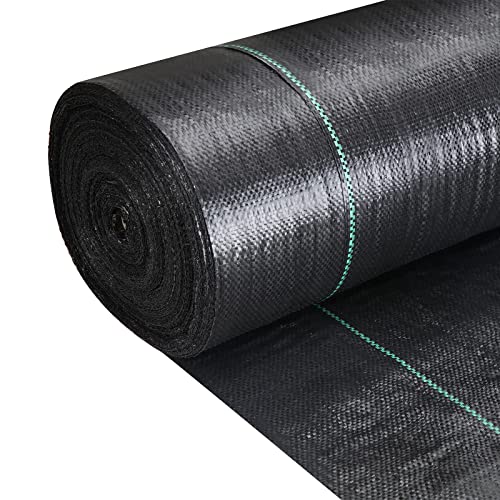
This Driveway Fabric by DWALE is a 6×300 ft heavy-duty geotextile made from high-quality polyethylene, rated at 3.5 oz. It’s designed to be tear-resistant and durable for erosion control projects, including roads, French drains, and larger landscape installations. The product notes that it ships in folded packaging, with a width of 3 ft initially, expanding to 6 ft when laid out. The large footprint makes it a practical choice for long driveways or expansive erosion-control projects where few seams are desired.
- Weight and strength: 3.5 oz heavy-duty textile
- Permeability: Highly permeable to prevent water pooling
- Size: 6 ft wide by 300 ft long (folded packaging noted)
- Applications: Driveways, drainage corridors, erosion control
6.5ftx300ft Weed Barrier Landscape Fabric 3oz

The 6.5×300 ft weed barrier from Pterying is a long-lasting landscape fabric built from premium polypropylene. It provides strong weed suppression while remaining permeable to rain and irrigation water, helping to keep soil moist and oxygenated. The fabric’s green alignment stripes facilitate straight lines and easy layout, and it can be cut to the required size with ordinary scissors. This option is suitable for garden beds, driveways, and erosion-control projects where persistent weed growth is a concern without sacrificing soil health.
- Material: Premium PP for durability and tear resistance
- Permeability: Water and air flow through to support root health
- Installation aids: Green alignment stripes for easy alignment
- Size: 6.5 ft by 300 ft; 3 oz
Driveway Fabric 13×150 Ft Road Fabric 3.5Oz
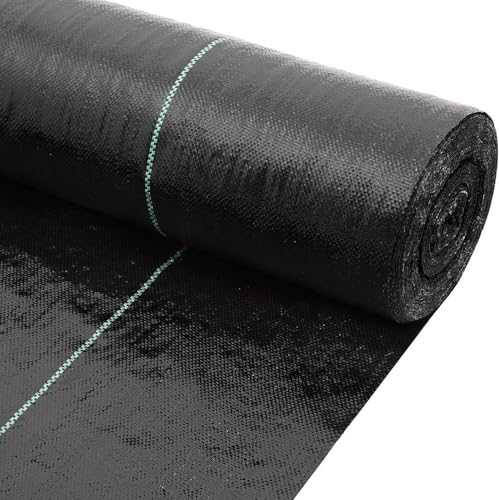
This Driveway Fabric by DWALE offers a 13×150 ft configuration with a 3.5 oz weight, designed for erosion control and weed suppression across roads, walkways, and landscape areas. Its highly permeable woven geotextile helps prevent water pooling while maintaining soil aeration, making it suitable for French drains, garden planting, and general landscaping. The long, narrow layout supports long, continuous runs with fewer seams, which is beneficial for projects requiring consistent coverage along a slope or driveway.
- Weight: 3.5 oz heavy-duty geotextile
- Size: 13 ft wide by 150 ft long
- Permeability: Breathable, reduces water pooling
- Applications: French drains, driveways, hillside stabilization
Driveway Fabric 6×300 Ft 2.4Oz
This 6×300 ft fabric from DWALE weighs 2.4 oz, offering a lighter-weight option while retaining excellent permeability for French drains and general landscaping. Its 6 ft width and long length enable broad coverage with manageable handling. The fabric emphasizes tear resistance and durability while remaining flexible enough to adapt to irregular ground contours. It is particularly suitable for projects where a balance between cost, coverage, and ease of installation is important, such as residential driveways and garden perimeters.
- Weight: 2.4 oz, lighter but durable
- Size: 6 ft wide, 300 ft long
- Permeability: Breathable for drainage and soil moisture
- Applications: Driveways, garden borders, erosion control
Buying Guide
Key Purchase Considerations
Material type matters: woven fabrics (such as polypropylene) are typically strong and long-lasting, offering good tear resistance and airflow. Non-woven options provide a different balance of flexibility and permeability, which can be advantageous in irregular layouts. Weight or oz rating often correlates with durability; heavier fabrics resist damage from foot or vehicle traffic and heavier rainfall but may be stiffer to work with. Size and width determine coverage area and seam count; wider fabrics reduce seams, which can minimize erosion risk at seams.
Permeability, Drainage, And Soil Health
A key goal for erosion control is allowing water to pass while suppressing weed growth. Permeable fabrics prevent water pooling on the surface and promote healthy root oxygenation. Woven fabrics tend to maintain drainage while offering strength; non-woven fabrics can be easier to cut and fit in tight spaces. When choosing, consider your climate: heavy rainfall regions benefit from higher ounces in combination with proper ground preparation, while arid areas may prioritize flexibility and ease of installation.
Size, Fit, And Project Scope
Match fabric dimensions to your project. Longer runs reduce seams but require careful alignment. Widths around 6 ft to 13 ft suit large driveways or garden beds, while 3.5 oz to 4 oz weights provide more holding power for slopes and gravel corridors. If your project involves French drains or underlayment for paving, ensure the fabric integrates with the drainage plan and does not impede pipe work or gravel bed stability.
Durability, Weather Exposure, And UV Considerations
Durability is influenced by material and sun exposure. UV resistance matters for fabrics that will sit in sun for extended periods. Heavier fabrics resist wear and tears from gravel particles and foot traffic, but may require longer tools and more planning during installation. For outdoor use, verify any UV treatment or warranty information from the supplier to maximize longevity in sun-drenched landscapes.
Ease Of Installation And Maintenance
Look for features that simplify installation, such as color-coded alignment stripes on some fabrics, pre-scored lines, or clear folding patterns. Easy-to-cut materials with scissors or utility blades help you achieve precise shapes around curves and corners. Maintenance mainly involves keeping fabric free of debris, ensuring edges are secured with staples or pins, and inspecting seams after heavy weather to re-seal or re-lay as needed.
Cost, Value, And Longevity
Cost should be weighed against coverage area, expected lifespan, and maintenance needs. Heavier, high-permeability fabrics may cost more upfront but reduce erosion risk and weed pressure over time. For larger projects or commercial applications, choose fabrics with proven durability records and clear installation guidance. When evaluating options, compare ounces, width, length, and ecosystem impact to determine the best long-term value for your landscape or construction project.