Best Landscape Plants for Shade: Top Picks for Lush, Low-Light Gardens
Shade can be a design challenge, but it also offers a chance to highlight lush foliage and textured greenery. The following selections focus on shade-tolerant plants and resources that help you create vibrant, maintenance-friendly landscapes in low-light spaces. From hardy hosta varieties to decorative ferns and informative guides, these picks cover ground cover, borders, and edgings that thrive where the sun rarely shines.
| Product | Brand | Use | Link |
|---|---|---|---|
| 355+ Perennial Hosta Seeds | Generic | Shade-tolerant foliage, ground cover, borders | View |
| 300PCS Hosta Seeds | BuggyBeds | Shade-loving perennial, ground cover, borders | View |
| Autumn Fern Plants | Plants for Pets | Lawn edging, border, ground cover | View |
| American Sycamore (Live Trees) | Florida Foliage | Fast-growing shade canopy, privacy, landscape feature | View |
| Native Plants Of The Southeast (Book) | Timber Press | Expert guidance for shade-friendly natives | View |
The following sections highlight five carefully chosen products that suit shaded landscapes, offering practical planting guidance, durable foliage, and options for borders, ground cover, and privacy. Each entry emphasizes how the plant or resource performs in shade, along with key uses for residential and small-scale commercial landscapes.
Hosta Seed Collection For Shaded Gardens

Hostas are renowned for their decorative leaves, providing visual interest through the growing season in shaded spots. This collection emphasizes foliage texture and color variation, making them ideal as border plants or ground covers in shaded borders and walkways. For sowing, seeds should be placed just beneath the surface in a well-draining starter mix, with the medium kept consistently moist until seedlings establish. Mature hosta plants adapt well to container gardening and pair effectively with other shade-loving species, creating living borders along patios or shaded edges.
300PCS Hosta Seeds – Shade-Loving Perennial

This bulk seed pack offers a cost-effective way to establish expansive shaded displays. The seeds are suited to partial to full shade, enabling versatile ground covers, borders, and landscape features with varied leaf patterns and textures. Planting is straightforward: sow lightly and keep the starter mix moist as germination occurs. Once established, these hostas contribute a lush evergreen look in low-light areas, complementing stone pathways or mulched garden beds.
Autumn Fern Plants Live Outdoor Ferns
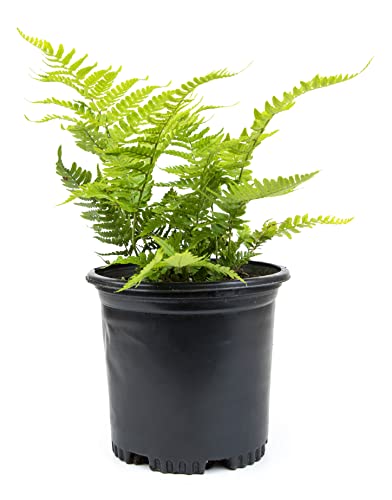
Autumn fern provides a reliable evergreen texture in shade gardens and along landscape borders. Sold as live plants in a 1-gallon nursery pot, they establish quickly and are well-suited for edging along pathways or as ground cover under taller shade trees. Ferns tolerate dappled light and adapt to a range of soil types, especially with consistent moisture. Pair with shade-tolerant perennials or evergreen shrubs to create a layered, low-maintenance garden aesthetic that remains vibrant year-round.
American Sycamore Live Tree For Shade

The American sycamore offers a broad, fast-developing canopy ideal for creating substantial shade in larger landscapes. The tree’s distinctive, peeling bark adds visual texture across seasons, including winter interest. While it requires adequate space and soil conditions, its adaptability to various soils makes it a strong choice for privacy screens, open-space shading, and park-like yards. Planting considerations include eventual root expansion and compatible understory plants that tolerate lower light near mature canopies.
Native Plants Of The Southeast (Book)

This guide highlights a spectrum of native species suitable for shade and semi-shade conditions. Native plants offer ecological benefits, including improved pollinator support and reduced maintenance once established. The book provides practical insights on site selection, soil preparation, and compatible plant communities for Southeast landscapes, helping homeowners plan cohesive, sustainable shade gardens that align with regional ecosystems.
Buying Guide: Shade-Ready Landscaping Choices
- Light availability: Map areas as full shade, partial shade, and dappled shade to match plant requirements. Most hostas and ferns thrive in partial to full shade, while certain trees like sycamore require more space and deeper soil prep.
- Soil and moisture: Shade areas often stay cooler and moister. Use well-draining soil for seeds and starter plants; maintain consistent moisture during establishment, then adjust irrigation to avoid overwatering in dense shade.
- Ground cover vs. screening: For ground cover, select low-growing hostas or ferns that spread evenly. For screening, combine multiple layers—shallow-edging hostas with taller ferns or shrubs—to create depth.
- Maintenance and longevity: Ferns and hostas generally offer low maintenance but benefit from annual cleanups and mulch to retain moisture. Consider native plants to support local ecosystems with minimal inputs.
- Size and spacing: Check mature size in product details. Space plants to allow air flow and reduce disease risk while avoiding overcrowding that can shade out neighbors.
- Color and texture variety: Mix leaf shapes, colors, and textures—variegated hostas with deep green ferns provide year-round interest in shade.
- Seasonal interest: Include evergreen options for year-round structure and deciduous plants that bring seasonal changes, such as stems, fall color, or bark texture.
- Ethics and sourcing: Prefer pest-free, responsibly grown plants. For books, choose guides with region-specific advice to maximize success in local shade conditions.
Shade-friendly landscapes can be rich with texture and color when plants are selected for their tolerance and growth habits. The items above offer practical pathways—from seed strategies to live specimens and authoritative guides—that help transform dim corners into inviting, durable spaces that stay lush across seasons.