Best Large Diameter Corrugated Pipe for Drainage and Ponds
Answering practical drainage needs, this guide highlights large diameter corrugated pipes ideal for ponds, downspouts, yard drainage, and outdoor projects. The selections below target different buyers: homeowners seeking simple, flexible extensions; landscapers needing durable, long runs; and DIY enthusiasts wanting easy installation. See a quick summary of top picks in the table, then deeper product-by-product insights to help you choose the right size, material, and connectable options for your setup.
| Product | Best For | Key Benefit |
|---|---|---|
| Pond Tubing 1-1/2″ Corrugated Hose | Small to medium ponds | Kinkproof, flexible |
| Glooglitter 4″ OD Drain Pipe | Expandable drainage networks | Easy installation, universal compatibility |
| Extra 8 Ft Pipe with Connector 2″ Diameter | Catch basins and splicing | Extendable with multiple pipes |
| Rocky Mountain Goods 4×25 ft Solid Pipe | Long runs and water diversion | Solid wall, resilient flow |
| 32ft Flexible Pipe For Crafts | DIY projects and decorative setups | Flexible, semi-rigid for shaping |
Flexible Corrugated Waterfall Pipe (1-1/2″)

Pond Tubing 1-1/2″ corrugated hose is designed for flexibility and kink resistance, making it a practical choice for small to medium water features. It pairs well with garden ponds and low-flow waterfall installations. Best for homeowners seeking a straightforward upgrade to existing drainage or pond plumbing.
Limitation: The 1-1/2″ size may require adapters for larger systems and fixtures. Suitable for light to moderate flow scenarios.
Glooglitter 4″ Drain Pipe Expandable

Glooglitter’s 4-inch outer diameter expandable pipe is designed for versatile drainage networks and French drain applications. Its universal size and sturdy wall thickness support reliable expansion and connection to multiple drainage components, including rainwater harvesting setups. Best for projects needing a scalable expansion path.
Limitation: The 4-inch size may be larger than typical downspout extensions; ensure compatible fittings before purchasing. Not ideal if you only need a short run.
Extra 8 Ft Pipe With Connector (2″)

This 8-foot, 2-inch diameter pipe is suited for catch basins and bilateral drainage setups. It emphasizes extendability via multiple pipe connections, enabling longer runs without heavy tools. Best for projects requiring modular length and easy splicing.
Limitation: Larger diameter may require compatible fittings and more space for routing. Check compatibility with existing drainage components.
Rocky Mountain Goods 4×25 Ft Solid Pipe

Rocky Mountain Goods offers a solid-walled 4″ x 25 ft drain pipe optimized for long runs and water diversion. Its robust construction helps maintain controlled flow and minimizes sag along extended paths. Best for long drainage corridors away from structures or gardens.
Limitation: Longer runs may require careful support to avoid sag. Ensure proper burial depth or mounting to maintain performance.
32ft Flexible Pipe For Crafts
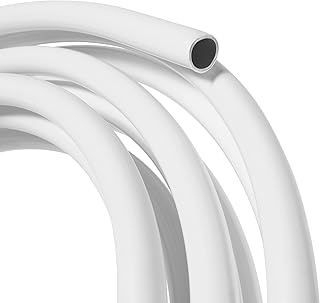
32ft flexible pipe is a crafts-grade option, semi-rigid and easy to shape for DIY installations like decorative arches or non-structural water features. Best for DIY enthusiasts building temporary or decorative drainage extensions with flexible shaping needs.
Limitation: Not designed for heavy-duty drainage; best used where flexible, lightweight routing suffices.
Buying Guide
What diameter should I choose?
Choose diameter based on intended flow and the connecting fittings. For pond features and light drainage, 1-2 inches can be sufficient. For longer runs or higher flow, 4 inches or larger provides better capacity and reduces clog risk. Consider existing fixtures and the availability of adapters.
What material matters?
Corrugated PVC offers durability and kink resistance; expandable PE provides flexibility and quick installation. Solid-wall pipes support cleaner flow with less internal deformation, while flexible tubes are easier to bend around obstacles. Match material to climate, UV exposure, and burial depth.
How important are length and connectors?
Longer runs benefit from modular connectors that allow splicing without tools. Ensure compatibility between pipe ends and fittings. If the pipe will be buried, consider UV resistance and embedding depth to prevent cracking or sagging.
What installation considerations help durability?
Secure pipes to prevent movement, use appropriate clamps or stakes, and protect from freezing conditions where applicable. Check for proper drainage slope to avoid standing water or slow drainage. If using in a harsh environment, select corrosion-resistant materials.
Who should buy these pipes?
Homeowners installing backyard ponds or downspout extensions; landscapers planning long drainage runs; DIY enthusiasts crafting decorative water features. Each product targets a slightly different scenario, so align with the project scope and required adaptability.
Quick comparison at a glance
- Best for small ponds: Pond Tubing 1-1/2″ – kinkproof and flexible.
- Best for expandable networks: Glooglitter 4″ Drain Pipe – easy to extend.
- Best for catch basins: Extra 8 Ft Pipe with Connector 2″ – modular and splicable.
- Best for long runs: Rocky Mountain Goods 4×25 Ft – solid wall and resilient for extended routing.
- Best for DIY crafts and decorative setups: 32ft Flexible Pipe – highly flexible for shaping.
FAQ
- Q: Can these pipes handle outdoor exposure? A: Most are designed for outdoor use with varying UV resistance and materials; verify product specs for your climate.
- Q: Do I need adapters to connect to existing fittings? A: Yes in many cases; check compatibility and count needed adapters before purchase.
- Q: Which pipe is best for catching basin runoff? A: The 2″ and 4″ options offer strong splicing options and suitable flow for catch basins.
- Q: How long should a drainage run be? A: Longer runs benefit from solid-wall or expandable pipes with secure connections and proper slope.
- Q: Is a larger diameter always better? A: Not necessarily; larger diameters require more space and may be overkill for small features or low flow.
- Q: Are there safety concerns with burying pipes? A: Bury at recommended depth and use protective sleeves if required to avoid damage from soil movement or rodents.