Best Large Planter Boxes for Vegetables
Answer: For growing vegetables in a spacious, easy-to-use setup, these large planter boxes offer substantial planting depth, durable construction, and practical drainage. They are best suited for home gardeners with patios, balconies, or backyards who want ample growing space and straightforward assembly. The top picks balance size, stability, and ease of use for vegetable beds, herbs, and fruiting plants. Below is a quick table of five strong options to compare at a glance.
| Product | Size/Capacity | Best For | |
|---|---|---|---|
| Best Choice Products 48 x 24 x 30 Inches Raised Garden Bed | 48 x 24 x 30 in; 200 lb capacity | Backyards and patios needing a tall, sturdy wooden bed | All-wood construction with bed liner |
| DIIYIV Galvanized Raised Garden Bed 48x24x30 in | 48 x 24 x 30 in; 350 lb+ capacity (implied by metal frame) | Durable metal bed with strong elevation | Open-bottom design; easy assembly |
| MIXC 48x24x31 in Wooden Raised Garden Bed | 48 x 24 x 31 in; 331 lb capacity | Heavy-duty wooden bed with cross-beam support | Includes drainage holes and liner options |
| Rakukiri GRS Galvanized 60x29x11 in Raised Bed | 60 x 29 x 11 in; 68 gal soil | Oval galvanized bed for large vegetable plots | Open base for drainage; corrosion-protected |
| OYEAL 32″ Tall Raised Garden Bed with Trellis | 32 in tall; multi-box setup | Vertical gardening with trellis for vining vegetables | Includes trellis and legs for elevated height |
Best Choice Products 48 x 24 x 30 Inches Raised Garden Bed
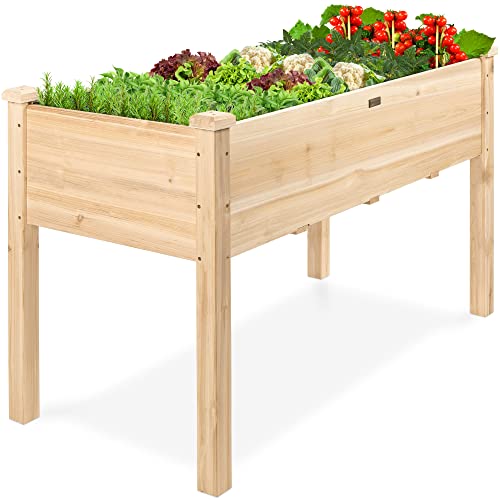
The long planting bed provides ample space (5 cu ft) for vegetables to spread roots and grow. Best for backyard or patio gardeners who want an all-wood, weather-resistant structure. The bed liner helps protect wood and maintain soil health. Caution: wood may weather over time in harsh conditions, requiring occasional maintenance.
LEETOLLA Elevate 32″ Tall Raised Garden Bed

Designed for mobility with wheels and an integrated shelf, this bed supports up to 400 lbs. It is best for gardeners who need to relocate planters to chase sun or protect crops from weather. A double-drainage system helps prevent root rot. Limitation: iron may show wear over time in extreme conditions; check for rust periodically.
Best Choice Products 6x3x2ft Outdoor Metal Raised Bed
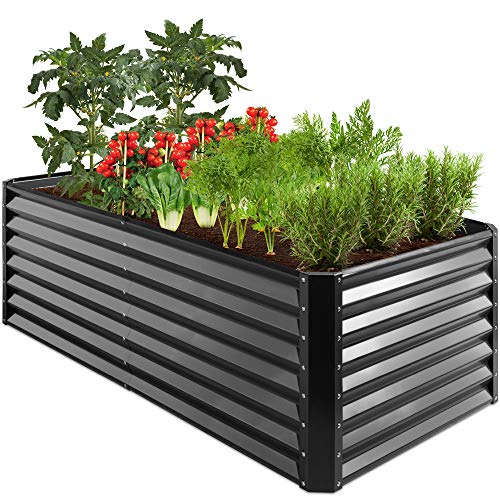
Deep 24-inch growing space supports deeper-root crops and large vegetable beds. Made from non-toxic materials with a simple tool-free assembly design. Best for those who want a large, heavy-duty metal option with easy setup. Note: does not include a bottom panel, which affects soil containment in some layouts.
DIIYIV Galvanized Raised Garden Bed With Legs

Large 48x24x30 inch elevated bed with durable galvanized steel and protective pads on corners. Best for gardeners who want a robust frame with built-in leg height and straightforward assembly. Caution: open-bottom design may require a liner or careful drainage planning to prevent soil loss in certain setups.
Rakukiri Raised Garden Bed GRS Galvanized Planter

60x29x11 in oval galvanized design provides a wide planting area with an open bottom for drainage. Best for vegetable plots needing a low-profile raised bed with strong corrosion resistance. Limitation: open base requires careful site selection to manage drainage and soil containment.
OYEAL Raised Garden Bed With Trellis

32-inch tall elevated planters with a trellis support for climbing vegetables like tomatoes and beans. Best for balcony or small-yard gardeners who want vertical growth as well as traditional beds. Caution: assembly may require attention to trellis alignment to ensure stability for heavy vines.
Buying Guide — Key Considerations for Large Planter Boxes
- Material choice: Wood vs. metal. Wood offers a natural look and decent insulation for roots but requires maintenance. Metal is durable and resistant to warping but can heat up quickly and may rust if not treated.
- Depth and volume: Deeper beds support a wider range of vegetables; ensure 24 inches or more for roots like carrots, tomatoes, and peppers.
- Drainage: Look for built-in drainage holes or a liner to prevent waterlogging. Open-bottom beds require careful soil containment.
- Mobility and height: Elevated, wheeled beds reduce bending and are good for mobility or accessibility needs. Fixed beds save space but require more bending.
- Assembly and size: Consider how much space you have and whether you prefer two-piece assemblies or larger, single-piece constructions.
- Maintenance: Wood treatments and sealants extend life; metal beds may need rust protection over time.
What to compare next
- Growing depth and soil capacity
- Weight and load-bearing capacity
- Drainage design and liner options
- Accessibility features (height or wheels)
- Durability under local climate conditions
FAQ
- What is the best material for long-term use in vegetable beds? Wood with proper sealing and regular maintenance or galvanized steel for durability in exposed areas.
- How deep should a raised bed be for most vegetables? About 24 inches or more is ideal for deep-root crops like carrots and tomatoes.
- Should I use a liner in a metal bed? A liner helps protect soil and bed structure in some metal beds; it can also extend wood bed life by reducing direct soil contact with wood.
- Do elevated beds require more water? Elevated beds can dry out faster and may require more frequent watering, especially in hot climates.
- Is assembly difficult? Many large beds are designed for tool-free or simple assembly, but always check included hardware and instructions for your chosen model.
- Can I plant directly in galvanized beds? Yes, but consider coating or liners and avoid storing fertilizers directly in contact with the metal to reduce corrosion risk.