Best Lava Rock for Potted Plants: Top Picks for Drainage, Color, and Easy Maintenance
Answering the common question, lava rock is an excellent soil amendment and top dressing for potted plants, especially cacti, succulents, orchids, bonsai, and other drought-tolerant varieties. It improves drainage, aeration, and moisture retention without introducing dyes or chemicals. This guide highlights five strong options, explains who they’re best for, and notes practical considerations to help you choose.
Buyer snapshot: The top five picks below are selected for varied needs—colorful blends for visual interest, ultra-pine top dressings for moisture control, and easy-to-handle packs for compact spaces. Use the buying guide and FAQ to decide whether you want pure lava rock, a mixed grit, or a larger top-dressing for decorative pots. The table summarizes key attributes to compare at a glance.
| Product | Best For | Size / Weight | Notes |
|---|---|---|---|
| TOYPOPOR Black Horticultural Lava Rock | Orchids, succulents, cacti | 2.2 lb | 100% pure volcanic rock; no dyes |
| Mix Horticultural Lava Pebbles Pumice | Terrariums, bonsai, decorative drainage | 2.2 lb | Professional formulation; drought-friendly |
| NUPICK 3lb Mix Horticultural Lava Rocks | Colorful display, general drainage | 3 lb | Six natural stones blend; pH balancing benefits |
| CARURBODY Black Lava Rocks | Low-maintenance succulents | 2.8 lb | Ideal drainage; easy reseal packaging |
| Pulovin 2.5lbs Lava Rocks | Succulents, cacti, bonsai | 2.5 lb | Pure volcanic rock; no additives |
TOYPOPOR Black Horticultural Lava Rock
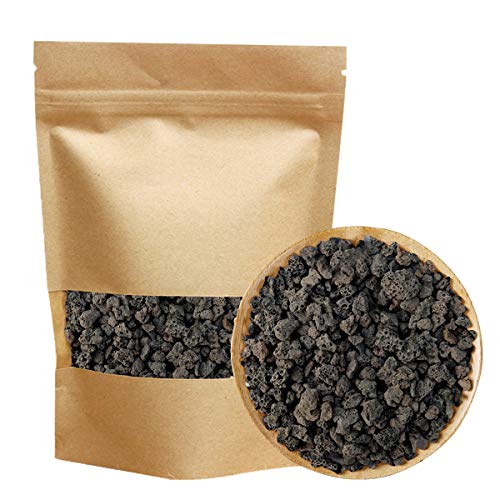
Best for: Orchid, succulent, and bonsai enthusiasts who want simple, dye-free rock top dressing. This lava rock acts as a soil additive or top dressing to improve drainage while maintaining moisture in the root zone. It can be blended with bark fines or grit to tailor soil texture.
Why selected: The product emphasizes purity and porosity, delivering reliable drainage without chemical additives. Its rock-like texture supports healthy root oxygenation in pots lacking drainage holes.
Caution: While porous, avoid overloading a small pot with rock, which can reduce aeration if the soil is already compacted. Use in moderation for best results.
Mix Horticultural Lava Pebbles Pumice

Best for: Succulent lovers seeking a well-drained, professional-grade gritty mix. Suitable for terrariums, fairy gardens, and top dressing where consistent drainage is key.
Why selected: Its professional formulation focuses on drainage and moisture balance, supporting drought-tolerant plants while helping to stabilize color and growth. Can be used as a soil additive to improve water flow.
Caution: This mix is gritty; for some plants, pairing with a small amount of organic matter may enhance nutrient availability in non-drought conditions.
NUPICK 3lb Mix Horticultural Lava Rocks

Best for: Colorful display in decorative pots and for improving drainage and aeration in succulent and bonsai setups.
Why selected: The blend includes multiple stone colors, providing a visually pleasing option that still delivers porous drainage. It helps maintain soil moisture while reducing compaction risk.
Caution: Ensure the mix is compatible with the plant species; some show better color contrast than others when rocks are used as top dressing.
CARURBODY Black Lava Rocks for Plants

Best for: Succulent hobbyists seeking a simple, reliable top dressing with strong drainage properties.
Why selected: This lava rock emphasizes ideal drainage in pots without holes, with a resealable bag for storage and portion control. It provides long-term moisture regulation and root protection.
Caution: Reducing moisture too aggressively can stress very water-loving plants; pair with appropriate watering schedules for non-succulent species.
Pulovin 2.5lbs Lava Rocks

Best for: General-purpose top dressing and soil amendment for succulents, cacti, and bonsai.
Why selected: This product offers 100% natural lava rock with no additives, making it a straightforward option for potting mixes requiring improved drainage and aeration.
Caution: The 1/5 inch size is versatile, but in very small pots, rocks may occupy significant root space; balance with soil depth to avoid crowding roots.
Buying Guide: Key Considerations For Lava Rock In Pots
- Drainage needs: Use lava rock to boost drainage in pots without drainage holes, or as a top dressing to prevent soil saturation.
- Particle size: Smaller rocks offer finer drainage and are less likely to displace soil, while larger pieces are better for decorative top dressing in larger pots.
- Purity and additives: Look for 100% volcanic rock with no dyes or fillers for best plant compatibility and minimal risk of chemical leaching.
- Color and aesthetics: Some blends add color to the pot while retaining drainage benefits; consider whether color matters for your display.
- Maintenance and storage: Resealable packaging helps prevent moisture absorption and compaction between uses, especially in humid environments.
- Mixing with soil: Lava rock can be mixed with pine bark fines, granite grit, calcined clay, or dirt to tailor texture and nutrient availability for specific plants.
Frequently Asked Questions
- What is lava rock best used for in potted plants?
– It improves drainage, boosts aeration, and helps prevent root rot, especially in succulents, cacti, and orchids. - Can lava rock replace regular soil?
– It works best as a soil amendment or top dressing, not a complete soil substitute for most plants. - Is lava rock safe for all houseplants?
– Yes, when used appropriately; some plants that require high moisture may need lighter soil mixes and more frequent watering. - Does lava rock affect soil pH?
– Lava rock can influence drainage and aeration, and some blends may gently affect pH; most varieties are near neutral in typical potting conditions. - How do I choose the right particle size?
– For small pots, use finer particles to avoid displacing soil; for larger pots, medium to coarse sizes work well for visible top dressing. - Can lava rock be reused?
– Yes, it can be cleaned and reused in future potting projects; rinse off soil and debris before reusing.