Best Lavender for Zone 3: Seeds and Plants for Cold-Climate Gardens
English lavender seeds are the clearest match for gardeners seeking lavender labeled for USDA Zone 3, but winter survival depends on drainage, exposure, and local conditions. The KVITER 4,000-seed packet is best for starting many plants, while its 2,000-seed packet suits a smaller sowing. SVI’s English lavender seeds are another seed option. For gardeners who prefer live plants, the two-pack and bare-root listing offer purple blooms, but their details do not confirm Zone 3 hardiness.
| Product | Best suited for | Important detail |
|---|---|---|
| KVITER 4,000 English Lavender Seeds | Large planting projects | Listed for USDA Zones 3–9 |
| KVITER 2,000 English Lavender Seeds | Smaller seed starts | Listed for USDA Zones 3–9 |
| SVI 1,500 English Lavender Seeds | Gardeners wanting another seed quantity | Listed for USDA Zones 3–9 |
| Lavender 2-Pack Live Plants | Buyers who want established plants | Species and zone hardiness are not specified |
| Pinnata Lavender Bare-Root Plants | Container or garden planting | Zone hardiness is not specified |
KVITER 4,000 English Lavender Seeds

Best for: Gardeners planning a large border or multiple planting areas who are comfortable starting lavender from seed. This packet contains 4,000 seeds of Lavandula angustifolia, which the listing describes as a hardy perennial for USDA Zones 3–9.
The listed mature size is 20–24 inches tall, with plants spaced about 18 inches apart. Purple flower spikes are described as blooming from late spring into summer. The seller recommends cold stratification, sowing seeds 1/4 inch deep, and providing temperatures above 65°F; germination is stated as 14–30 days.
Limitation: Seed starting takes more time than buying live plants, and the listing’s hardiness claim does not guarantee survival in every Zone 3 garden. Avoid poorly drained planting sites.
KVITER 2,000 English Lavender Seeds

Best for: Buyers who want the same stated English lavender type and growing directions as the larger KVITER packet, but need fewer seeds. The listing identifies the variety as Lavandula angustifolia and describes it as suitable for USDA Zones 3–9.
Plants are described as upright and shrub-like, reaching 20–24 inches tall. The seller recommends cold stratification before sowing 1/4 inch deep. Expected germination is listed at 14–30 days at temperatures of 65°F or warmer. Choose this packet if you want fragrant purple flower spikes for a modest herb garden or border.
Limitation: It is still a seed product, so it requires germination and growing-on before plants can fill a garden space. Zone labeling alone cannot account for local winter conditions.
SVI 1,500 English Lavender Seeds
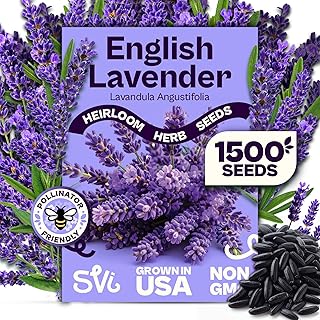
Best for: Gardeners who want an English lavender seed option with a different packet quantity. The listing specifies 1,500 seeds of Lavandula angustifolia, describes the plants as hardy in USDA Zones 3–9, and recommends light, sandy, well-drained soil.
According to the product details, plants reach about 20–24 inches tall and produce fragrant purple spikes from late spring through summer. The listing suggests using the flowers for bouquets, dried herbs, or potpourri. Its stated soil preference makes drainage an especially relevant consideration for cold-climate gardens.
Limitation: The listing does not provide the seed-starting schedule in the details supplied here. Confirm sowing instructions on the package and plan for the time required to raise plants from seed.
Two-Pack Compact Lavender Plants

Best for: Buyers who prefer live plants to seed starting and want two compact lavender plants for a sunny, well-drained location. The listing describes purple summer blooms, a fragrant scent, and a mounded habit about 12 inches tall and wide. It specifies two plants and describes them as arriving in one-quart pots.
The care details call for full sun, excellent drainage, and low watering once plants are established. That makes this a simpler starting format than seed packets for gardeners who want to plant live specimens.
Limitation: The listing does not identify the lavender species or state a USDA hardiness range. Zone 3 buyers should verify the plant’s winter hardiness before choosing it for an exposed outdoor bed.
Two Pinnata Lavender Bare-Root Plants

Best for: Gardeners looking for two live bare-root plants for garden or container growing. The listing describes 4–8-inch plants, fragrant purple flowers, and a typical mature size of 12–24 inches tall by 12–18 inches wide, depending on variety.
It recommends full sun, well-draining soil, and light watering. Once established, the plants are described as low maintenance, with flowers from late spring through summer. The bare-root format may appeal to buyers who do not need potted plants.
Limitation: The product details do not state a USDA hardiness range or clarify cold tolerance for Zone 3. Check the specific plant’s hardiness before planting it outdoors for winter.
Buying Guide: Choosing Lavender for Zone 3
Which lavender should Zone 3 gardeners consider first?
Among these listings, the English lavender seed products explicitly state USDA Zones 3–9. That makes them the most directly relevant choices based on the supplied product information. Hardiness claims are not a guarantee: winter moisture, wind exposure, snow cover, and local temperature extremes can affect survival.
Should you buy seeds or live plants?
Seeds suit gardeners who want to raise multiple plants and can wait through germination and establishment. The KVITER listings recommend cold stratification and warm germination conditions. Live plants avoid the seed-starting stage, but the two live-plant listings do not confirm Zone 3 hardiness. Verify the species and hardiness before buying them for outdoor overwintering.
How important are sun and drainage?
The live-plant listings recommend full sun and well-drained soil; the SVI seed listing also specifies light, sandy, well-drained soil. For cold-winter gardens, avoid planting lavender where water collects or soil stays saturated. Containers need drainage as well, and their winter exposure may differ from plants in the ground.
How much space should you allow?
The KVITER English lavender listings suggest spacing plants about 18 inches apart and give a mature height of 20–24 inches. The live listings give different size ranges, so use each product’s stated dimensions rather than assuming every lavender grows alike.
Frequently Asked Questions
Is lavender hardy in Zone 3?
Some lavender listings, including the English lavender seeds here, state hardiness for USDA Zones 3–9. Survival still depends on growing conditions and the accuracy of the variety identification.
Which product is most clearly labeled for Zone 3?
The KVITER 4,000-seed, KVITER 2,000-seed, and SVI 1,500-seed products identify English lavender and state USDA Zones 3–9.
Can lavender grow in a Zone 3 container?
The Pinnata listing says its plants can be grown in containers, but it does not specify Zone 3 hardiness. Confirm cold tolerance and plan for the container’s winter conditions before buying.
How should English lavender seeds be started?
The KVITER listings recommend cold stratification, sowing 1/4 inch deep, and temperatures above 65°F. They state that germination may take 14–30 days.
Does lavender need frequent watering?
The live-plant listings describe lavender as needing low or light watering once established and recommend well-drained soil. Follow the plant’s condition and local growing conditions rather than keeping soil constantly wet.