Best Lawn Mowers for Uneven Ground: Stable Options for Sloped or Bumpy Yards
Finding a mower that handles uneven terrain without leaving patches or bogging down is essential for varied lawns. This guide highlights top mowers designed to manage slopes, bumps, and irregular surfaces. Suitable buyers include homeowners with hilly yards, older adults seeking reduced effort, and those needing reliable traction on uneven ground. Below are five models chosen for balance, drive options, and adaptability to rough patches. A quick reference table summarizes key strengths and ideal use cases for each.
| Product | Best For | Why It Stands Out |
|---|---|---|
| MZK 40V 16″ Electric Lawn Mower | Medium yards with mixed terrain | 2-in-1 cutting with mulching or rear bagging; dual-battery runtime helps on slopes |
| 173cc Gas Lawn Mower (Self-Propelled) | Lawn with steep slopes and tall patches | Rear-wheel self-propelled drive provides traction on uneven ground |
| Greenworks 80V 21″ Self-Propelled | Medium to large uneven lawns | Rear-wheel drive, brushless motor, robust cutting width |
| MZK 20V 13″ Electric Lawn Mower | Small uneven yards or tight spaces | Lightweight with four-position height; good for quick trims |
| RB 40V 9″ Mini Cordless | Very small, uneven patches or tight corners | Compact, maneuverable; ideal for tight spots and precision edging |
MZK 40V 16″ Electric Lawn Mower

Best for medium yards with uneven ground, this 16″ cordless mower uses a high-performance brushless motor with up to 3400 RPM, delivering solid cutting power on slopes and bumpy patches. It features two 40V 4.0Ah batteries for extended runtime and a 40L rear bag for easier cleanup. Its 5-position height adjustment supports different grass heights on uneven terrain. This mower is a solid choice where longer run times and 2-in-1 functionality (mulch or bag) are advantageous. Caution: heavier on very steep slopes due to deck width.
173cc Gas Lawn Mower (Self-Propelled)

Best for larger yards with heavy or uneven terrain, this gas-powered machine offers a 173cc engine and rear-wheel self-propelled drive for solid traction on slopes and rough ground. A 20″ cutting path helps cover more ground per pass, and the 60L grass catcher reduces frequent emptying on taller patches. Choose this if you need consistent power and the ability to tackle varied ground without frequent re-trims. Limitation: heavier than electric models, which may impact maneuverability in tight spaces.
Greenworks 80V 21″ Self-Propelled

This 80V model is well-suited for medium to large uneven lawns, with a rear-wheel-drive system, a brushless motor for efficiency, and a 21″ deck that balances width with maneuverability on slopes. The included 4.0Ah battery powers extended sessions, and the mower supports quick startup and smooth traction. Best for homeowners seeking a higher-capacity electric option that handles varied terrain. Caution: battery-dependent performance may vary with dense, tall grass and very steep inclines.
MZK 20V 13″ Electric Lawn Mower
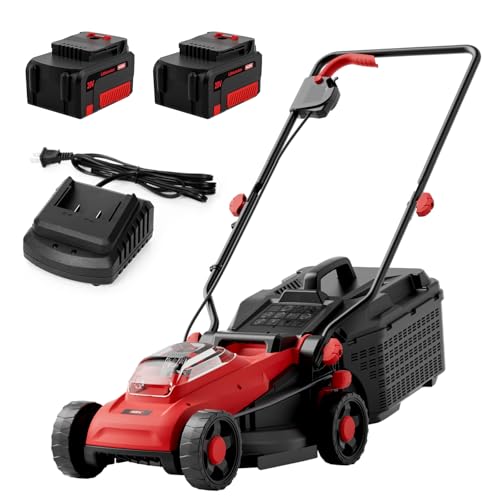
Best for small, uneven yards or tight spaces, this 13″ deck and four-position height adjustment offer precise control for tricky ground. The brushless motor delivers strong performance at up to 3400 RPM on high, with a 30L rear bag for easy cleanup. Ideal for quick, light yard maintenance on slopes or irregular surfaces. Caution: smaller cutting width means more passes on larger, uneven lawns.
RB 40V 9″ Mini Cordless Lawn Mower
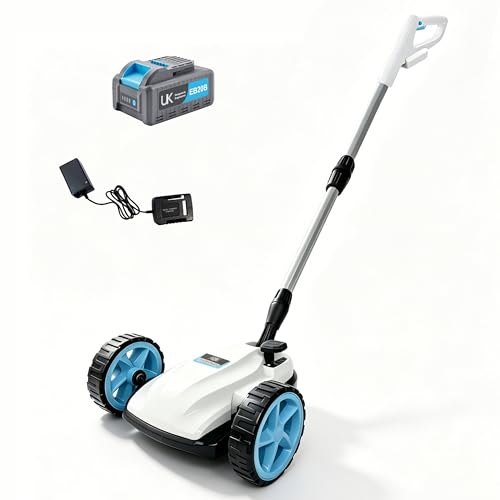
Best for very small yards, tight corners, or precision edging on uneven ground, this compact mower weighs about 11.5 pounds without the battery and offers pivoting front wheels for enhanced maneuverability. With 3 cutting heights and a 6000 RPM brushless motor, it handles light-duty tasks quickly on uneven patches. Choose this if you need a nimble mower for confined spaces. Limitation: limited cutting width and battery life for larger lawns.
Buying Guide: Key Considerations For Uneven Ground
- Drive system and traction: For slopes and rough patches, rear-wheel drive or self-propelled mowers reduce effort and improve stability on uneven surfaces.
- Deck width and height adjustability: A wider deck speeds up mowing on larger areas, while adjustable cutting heights help adapt to varying grass heights and ground contours.
- Power type: Gas engines offer strong, continuous power suitable for tall grass on irregular terrain; electric models provide quieter operation and lower maintenance but rely on battery life or power outlets.
- Weight and maneuverability: Lighter models are easier to steer around bumps, while heavier units may feel more stable on slopes but require more effort to push.
- Cutting system versatility: 2-in-1 mulch-and-bag options offer flexibility in nutrient recycling and disposal on uneven lawns.
- Runtime and refueling: For battery mowers, consider battery swap options and total runtime; for gas mowers, fuel efficiency on varying terrain matters.
Who Should Consider Each Type
- Electric mowers (MZK 40V, MZK 20V, RB 40V mini): Ideal for small to medium uneven yards, quiet operation, and easy maintenance. Best when you want light-weight handling and quick cleanup.
- Gas mowers (173cc self-propelled, 21″ gas): Best for large or rugged yards with persistent uneven ground. They provide strong torque, better traction on slopes, and longer run times between refuels.
- 2-in-1 electric option with mulching and bagging (MZK 40V 16″): Great for versatile lawn care on varied terrain, letting you choose cleanup or nutrient return as needed.
Frequently Asked Questions
- What mowing height works best on uneven ground?
Aim for gradual heights to avoid scalping on slopes; start with mid-range settings and adjust based on grass thickness and ground contour. - Are self-propelled mowers worth it on hills?
Yes, rear-wheel drive or self-propelled models reduce effort and improve traction on slopes and uneven surfaces. - Should I mulch or bag clippings on uneven turf?
Mulching often helps return nutrients and improves lawn health on irregular ground, but bagging is convenience-focused for quick cleanup. - Do electric mowers handle tall grass on slopes?
They can, but high grass may require a higher power setting or more passes; gas mowers handle sustained heavy growth more consistently. - Is deck width important for slopes?
A wider deck can cover more ground per pass, which helps on uneven lawns, but may be harder to maneuver in tight spaces. - How do I maintain traction on uneven terrain?
Keep wheels in good condition, maintain proper tire pressure, and consider mowing across slopes rather than up and down to reduce scalping.