Best Lawn Seed for Shaded Areas for Dense, Green Lawns
If your yard gets limited sunlight, choosing shade-tolerant lawn seed is essential for a thick, healthy lawn. This guide highlights top shade-friendly options and explains who each product is best for, plus how to use them effectively. The selections below are aligned with common shady conditions, from under trees to north-facing patches. The right mix depends on your soil, sunlight hours, and patience to establish a lush, green turf.
| Product | Best For | Why It Stands Out |
|---|---|---|
| Scotts Turf Builder Sun & Shade Mix | Lawn overseeding in spring or fall | Root-building nutrition for deeper roots and better establishment |
| Pennington Smart Seed Dense Shade Mix | Shady areas with limited sunlight | Balanced mix of perennial ryegrass, bluegrass, and tall fescue with integrated fertilizer |
| Jonathan Green Black Beauty Dense Shade | Lawns under trees or near structures | Shade-tolerant varieties with quick establishment and rich green color |
| Majesty Green Power Shade | Low-light, damp or shaded spaces | Dense, velvety texture and vibrant color designed for shade |
| GreenView Pure Grass Seed Dense Shade | Shady patches with quick germination needs | Weed-free seed with fast germination in 10–14 days |
Overview: The following five products were selected for their focus on shade tolerance and practical establishment benefits. They offer a mix of seed blends tuned for density, color, and rapid germination in low-light scenarios.
Scotts Turf Builder Sun & Shade Mix

This seed blend is designed for lawns that experience both sun and shade. Best for homeowners seeding a new lawn or overseeding existing turf during spring or fall when soil temperatures are between 55°F and 70°F. It includes root-building nutrients intended to help establish deeper roots for a stronger lawn. Choose this if you want a single product that combines seed, fertilizer, and soil improver for a straightforward setup. A potential limitation is that performance depends on consistent soil temperatures and adequate moisture during establishment, especially in very dry or very hot periods.
Pennington Smart Seed Dense Shade Mix
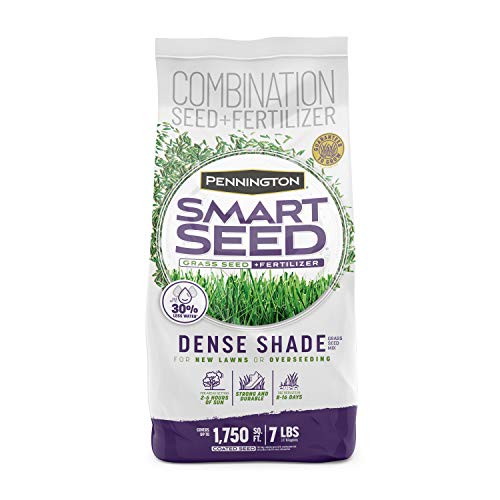
This mix combines Perennial Ryegrass, Kentucky Bluegrass, and Tall Fescue to thrive in shady conditions. It’s designed as an all-in-one seed and fertilizer package, promoting thick, green growth where sunlight is scarce. Best for small to medium shaded patches or under tree canopies. It works well for customers who want a balanced seed blend with built-in fertilizer. Note that coverage and success depend on proper soil preparation and consistent moisture in shady zones with limited sun.
Jonathan Green Black Beauty Dense Shade

Designed specifically for shade-tolerant lawns, this mix emphasizes varieties that perform well in areas with limited sunlight. It aims for a dark green, dense lawn with relatively quick germination. Best for lawns shaded by trees or structures where sunlight is inconsistent. The mix may establish faster in cooler, moister conditions and might need extra care in very hot or dry periods. Choose this when you want a noticeable color improvement and a dense texture in shaded areas.
Majesty Green Power Shade

This shade-tolerant blend targets low-light, damp spaces. It promises a lush, dense texture with a vibrant green color, ideal for areas under trees or where partial sun exists. Best for lawns that consistently receive less than full sun and need a thick, soft turf for recreation. A potential limitation is that extremely damp soil or poor drainage may hinder establishment, so ensure good drainage and aeration before seeding.
GreenView Pure Grass Seed Dense Shade

This dense shade mix emphasizes weed-free seed with quick germination, helping you achieve a fast, uniform lawn in shady areas. Best for customers who want a fast-establishing lawn under trees or in north-facing yards. The short germination window (10–14 days) supports rapid results, but keep soil consistently moist during emergence. Limitations may include sensitivity to drought once established, requiring regular watering in dry spells.
Buying Guide
What should I consider before buying shade-tolerant seed?
Key factors include shade intensity (full shade vs. partial shade), soil type, moisture availability, and how quickly you want results. Choose blends with shade-tolerant grass varieties (such as fine fescues, tall fescues, or certain ryegrasses) and those that offer germination suited to your climate and soil.
Which seed blends are best for different shade levels?
For dense shade under trees or structures, look for mixes labeled dense shade or shade-tolerant, such as tall fescue-heavy blends or mixed perennials with deep root systems. For partial shade, blends like sun-and-shade mixes can perform well with proper watering and soil preparation.
What soil prep helps shade seed establish faster?
Ahead of seeding, test and amend soil to achieve a balanced pH and appropriate nutrients. Remove weed seeds, loosen compacted soil, and ensure good drainage. Lightly rake seed into the top inch of soil and maintain even moisture during germination.
How should I water shaded lawns after seeding?
Keep the seedbed consistently moist but not waterlogged during germination. In shaded areas, evaporation is lower, but the soil can stay damp longer. Water early in the day to reduce disease risk and adjust frequency based on rainfall and soil moisture.
How do I maintain a shade-tolerant lawn long-term?
Gradually transition from seedling care to regular mowing and fertilization. Mow at the recommended height for your grass type, avoid heavy foot traffic on newly seeded areas, and monitor for weed encroachment. Periodic overseeding in the fall can maintain density in persistent shade zones.
What are common limitations with shade seeds?
Shade-tolerant seeds often require consistent moisture and may grow more slowly than full-sun varieties. Establishment can be hindered by poor drainage, extreme heat, or heavy shade with minimal light. Choose a seed blend appropriate for your local climate and maintain consistent care during establishment.
FAQ
- What seed mix is best for very shady areas? Choose a dense shade mix or shade-tolerant blend designed for low light, often rich in tall fescue or shade-adapted bluegrass varieties.
- How long does it take to see results in shade? Germination is typically in the range of 10–21 days or longer, depending on the blend and conditions.
- Do shade seeds need more fertilizer? Some blends include fertilizer; follow product instructions and consider soil testing to apply nutrients appropriate for your lawn.
- Can I overseed over an existing lawn? Yes, many shade blends are suitable for overseeding; prepare the soil, remove debris, and ensure moisture during germination.
- Is dethatching or aeration helpful for shade seed? Yes, removing thatch and improving soil aeration can improve seed-to-soil contact and water penetration, aiding establishment.
- How often should I water shade lawns after seeding? Maintain consistent moisture for the first 2–3 weeks, then transition to a deeper, less frequent watering schedule as the lawn establishes.